Sabbath Is Not About Doing Nothing
I’ve been rethinking Sabbath — not as stopping work, but as stepping out of the pressure behind it.

I’ve been rethinking Sabbath — not as stopping work, but as stepping out of the pressure behind it.
It’s harder to rest when things are left unfinished. But maybe that’s exactly the point — learning to step away without needing everything to be resolved.
Some work is finished before it is complete. This piece explores the difference between completing the work itself and seeing the results of that work—and why learning to be satisfied in that gap is essential.
Rest is not about stopping activity—it’s about ceasing from striving. This piece explores what it means to continue building, writing, and creating without the burden of pressure, while letting the weight of labor fall away.
The Sabbath is not only a command about rest; it is a sign pointing toward the future restoration of all things. Each Sabbath serves as a small foretaste of the New Creation, when the broken rhythms of the present world will finally be healed.
What does it mean to rest when the world rewards output? This piece reflects on the tension between constant production and sacred pause — especially for builders who feel called to create without permission.
Sabbath rest is not something earned after work is complete. It is an act of trust practiced before outcomes are secure. Rest exposes whether we believe our effort or God’s provision is what ultimately sustains us.
Sabbath is not merely about stopping work. It is about retraining desire. By interrupting production and striving, Sabbath exposes what we love and gradually reorders the heart toward gratitude, delight, and trust.
Sabbath is not primarily about recovery or discipline. It is about accepting limits we did not design. By commanding rest, God confronts the human tendency to treat effort as identity and motion as necessity.
Sabbath is not rest as recovery for more work. It is resistance against systems that demand constant output, visibility, and optimization. In a culture that never stops measuring worth by productivity, Sabbath quietly declares freedom.
Sabbath is not a reward for finishing your work. It is a gift given before productivity begins. Treating rest as something to be earned reverses the order God established.
Much of modern exhaustion does not come from effort alone, but from maintaining false narratives—about success, identity, and meaning. This essay explores how clarity produces rest, why alignment with truth reduces inner friction, and how peace emerges not from disengagement, but from no longer needing to uphold illusions.
Modern culture encourages rest only insofar as it enables people to return to the same extractive patterns that exhausted them in the first place. This essay examines the subtle lie embedded in “recharging,” the difference between pause and realignment, and why true rest does not prepare us to go back—but invites us to question where we are going at all.
Burnout is often framed as a personal weakness or a failure to manage stress. In reality, burnout is a systems-level signal—especially among builders, writers, and conscientious people. This essay argues that burnout is not caused by doing too much, but by being forced to operate inside systems that extract meaning, punish integrity, and reward surface-level performance over truth. ---
Modern culture treats rest as a tool for recovery so we can return to productivity. Sabbath, by contrast, was designed as a hard boundary against extraction itself. This essay explores why true rest feels threatening in modern economic systems, how leisure has replaced cessation, and why rest—properly understood—is a structural act of resistance rather than personal indulgence.
Sunday is not “catch-up day.” It’s the day you close loops on purpose—spiritually, emotionally, and operationally—so Monday doesn’t start with drag. This piece is a practical theology of completion: why loose ends quietly tax your attention, why “almost done” is a hidden form of debt, and how a small set of Sunday rituals can restore momentum without turning rest into another performance.
Not everything needs to be measured, improved, or shipped. Some of the most important work happens when we stop adjusting the dials and allow ideas — and ourselves — to rest. This is a reflection on choosing slowness, limits, and unfinishedness, especially when the world keeps nudging us to do more.
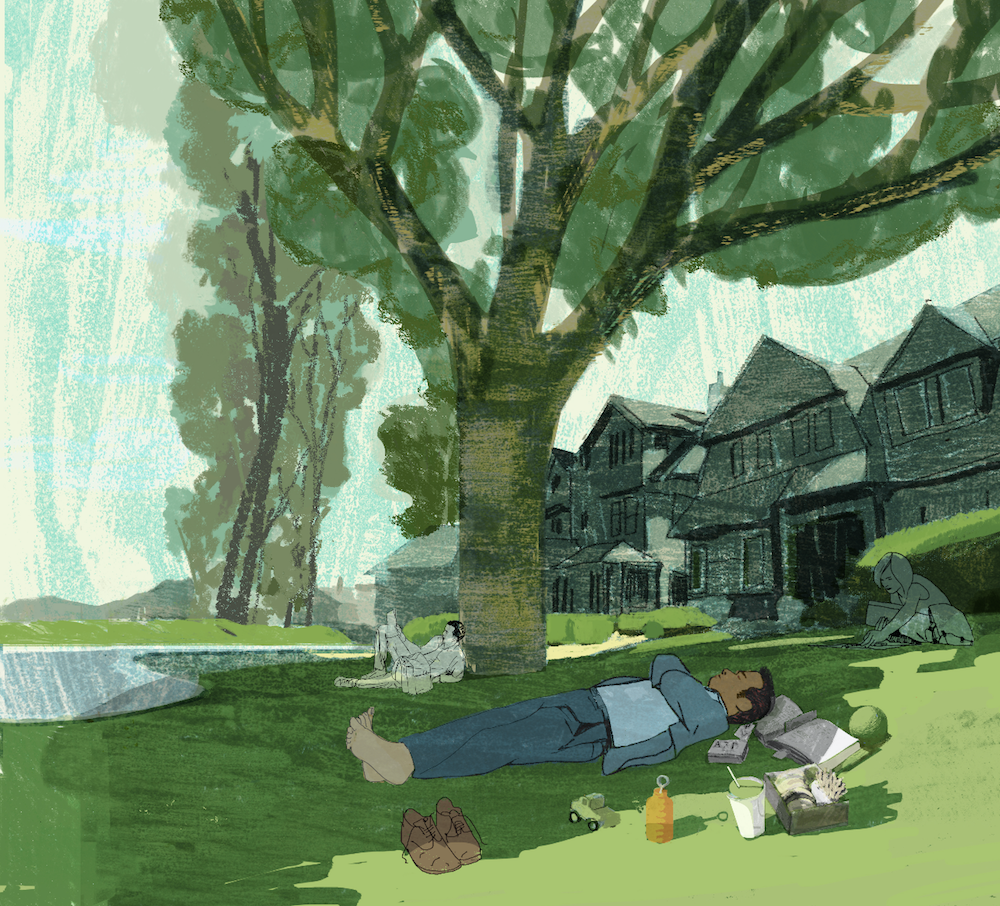
True renewal does not begin with ambition, planning, or self-improvement. It begins with rest. The first Sunday of the New Year invites us to stop striving and remember who we are before we try to become anything else.

in time — a quiet declaration about how the year will be inhabited. In a culture addicted to optimization and urgency, beginning 2026 with Sabbath is an act of sovereignty. This essay reflects on Sabbath as boundary, trust, and orientation, and why starting the year with rest may be the most faithful and future-oriented choice we can make.
A Sabbath reflection on time, calling, and the quiet truth that meaningful work unfolds in seasons. You have not missed your moment.