Article Not Found
Try searching or paste a Nostr address (naddr)
If you have the article's Nostr address (naddr), paste it in the search box below. We'll attempt to fetch it from the relays and add it to our index.
Looking for people? Search users

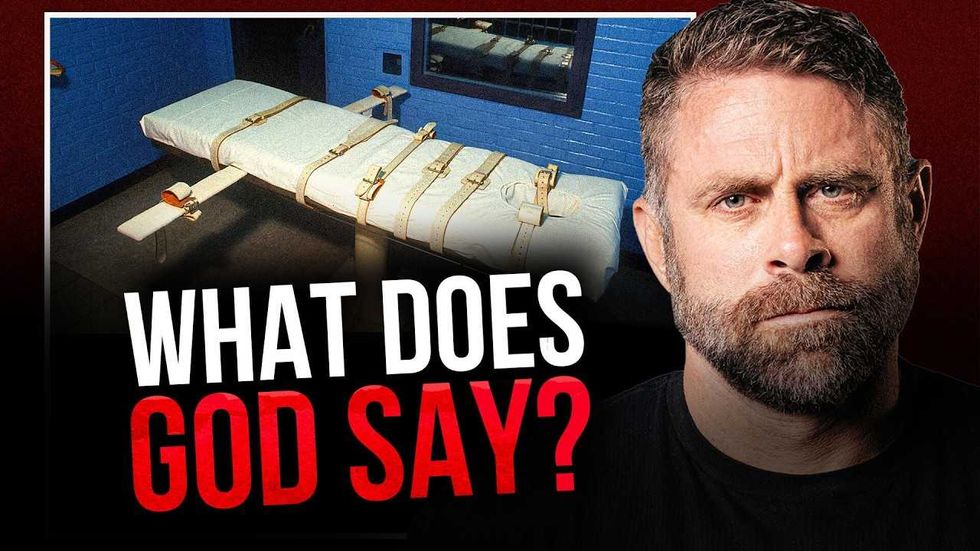
Nick Freitas debunks the ‘you can’t be pro-life and pro-death-penalty’ argument
The failed execution of convicted murderer Christa Pike has reignited a long-standing debate over capital punishment, but BlazeTV host Nick Freitas believes the Christian case for the death penalty is often misunderstood.“From a Christian perspective — we look at things, and I’ve even said before, whenever somebody says the death penalty is inhumane,” Freitas says, “I’m like, OK, well, I’ll let the author of Leviticus know, right?” Freitas notes that “Leviticus is a book in the Bible which actually lays out the various crimes for which the death penalty is acceptable, or, in even some cases, you could argue, mandated.” “So I’ve always found it a little bit disingenuous for someone to say that the death penalty is, in and of itself, inhumane,” he says. In this particular case, Freitas says, “She lured her 19-year-old classmate to a park, tortured her, carved a pentagram into her chest, and then kept a piece of her skull as a souvenir.”“We’re talking about somebody who, again, committed an act of premeditated murder, and not just murder but torture,” he explains. “She also tried to strangle another inmate to death. So this idea that simply because someone is in prison, they no longer have the capacity to commit other crimes is, again, something that we need to take into question,” he adds. And the idea that one cannot be pro-life and pro-death-penalty, Freitas says, is “an absolutely 100% absurd argument.” “To be pro-life is to say that a baby in the womb is innocent. It is innocent human life. And the way we know it's human life is because at the moment of conception, it actually has all the necessary characteristics to be distinguished from a living entity and a non-living entity,” he explains. “And more specifically from a living human entity versus some other kind of living entity,” he says.“Now, we make distinctions between human life guilty of a crime and human life which is not guilty of a crime,” he continues. “We don’t put everybody in prison, for obvious reasons. So how do we make that distinction between guilt and innocent?” “Well, there’s the objective reality, which is to say that if someone has committed a crime, they are guilty … but in the case of a baby in the womb, they simply do not have the capacity to be guilty of a crime,” he adds.“Making the Argument with Nick Freitas” is available on BlazeTV+, YouTube, and major podcast platforms.Start watching Nick Freitas NOW at blazetv.com and use the promo code NICK for $20 off your BlazeTV+ subscription.
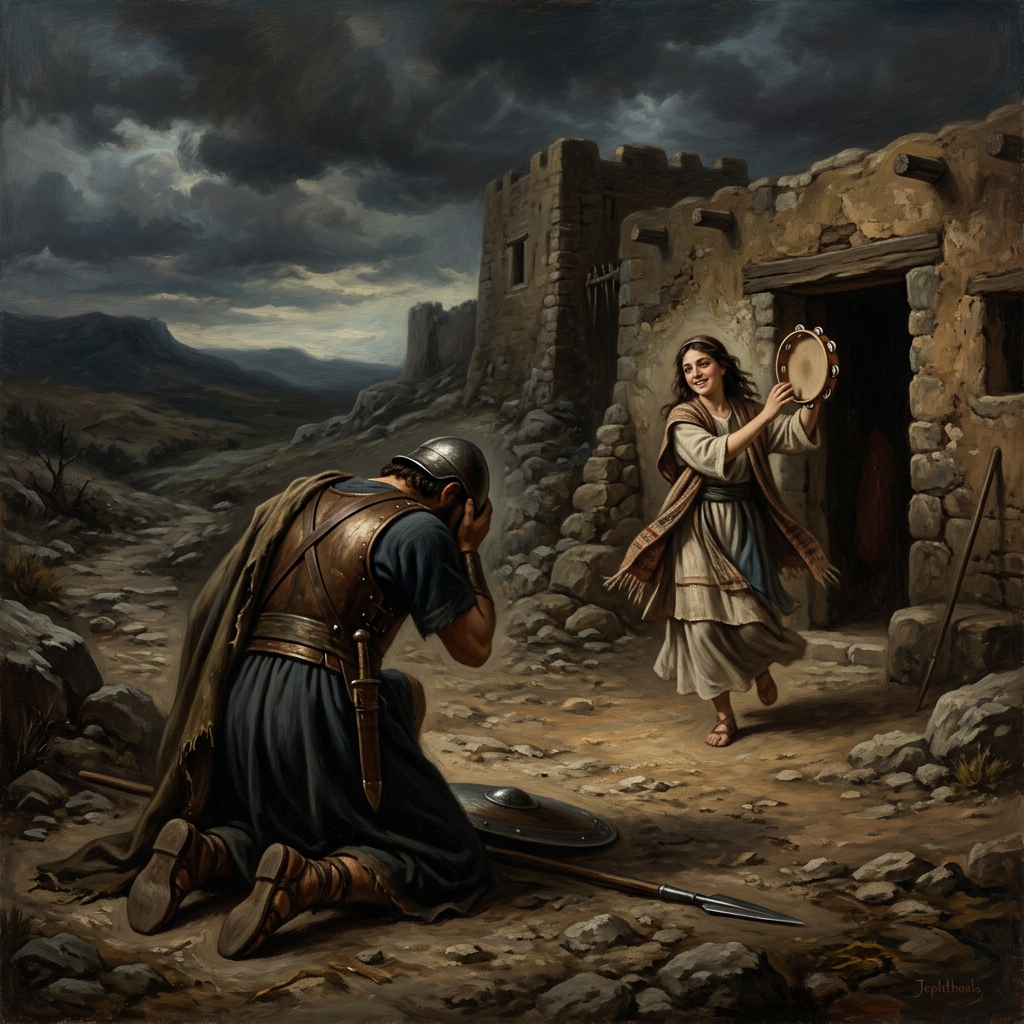
Jephthah's Vow
Did Jephthah really commit such a heinous deed as literally sacrificing his daughter as a burnt offering? If he did, how then is he included in the heroes of the faith in Hebrews 11? Is there another biblically faithful interpretation, and does it get Jephthah off the hook? This paper explores the arguments put forward by scholars who hold to the figurative interpretation of this passage from Judges 11:29-40 and considers whether they are convincing.
Tithing and the New Covenant: What Scripture Actually Teaches
A clear, biblical examination of tithing in the Old and New Testaments. The tithe was an Old Covenant agricultural system tied to ancient Israel—not a binding command for Christians. The New Covenant calls us to something greater: Spirit-led generosity grounded in the truth that God owns everything, not just a percentage.

Toy Story 5 domina bilheterias com a maior estreia do ano
Formado em cinema pela Universidade Federal de São Carlos. Com mais de dez anos de experiência em jornalismo de entretenimento, hoje também trabalha como redator e diretor do programa Oeste Cultura.
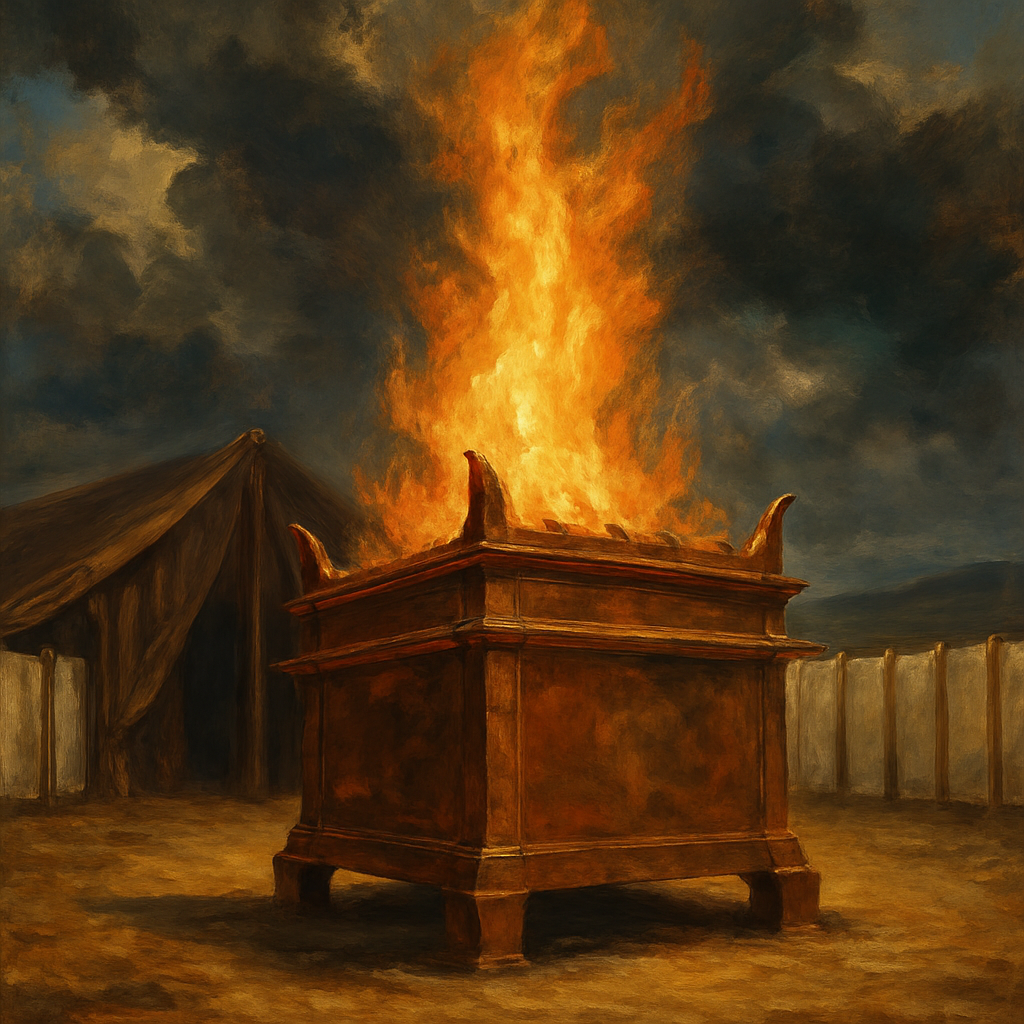
You Shall Not Do As They Do
It can be tempting to lump the ceremonial sacrifices of Israel into the same category as that of the pagan peoples of the ancient Near East that neighbored them. In this paper, I show that the sacrifices performed by Israel were very different from their ancient pagan counterparts.

Marilynne Robinson on Biblical Interpretation, Calvinist Thought, and Religion in America
Marilynne Robinson is one of America's best and best-known novelists and essayists, whose award-winning works like Housekeeping and Gilead explore themes of faith, grace, and the intricacies of human

The Halving as Covenant: What Leviticus Teaches Us About Scarcity
How Bitcoin's immutable supply echoes God's law of Jubilee and honest money.
The 2,000-Year Journey: From Yeshua to Jesus
Discover the fascinating linguistic evolution of the name of the Messiah. From its Hebrew roots as "Yeshua" to the modern English "Jesus," this article traces how shifting sounds and changing alphabets across four languages shaped the name we know today.
