Reading the goat the goatlings and the gray wolf
- What the story teaches first
- A step-by-step verification workflow
- Where the goatlings’ process broke down
- How to assess the smartwatches realistically
- Checklist before payment
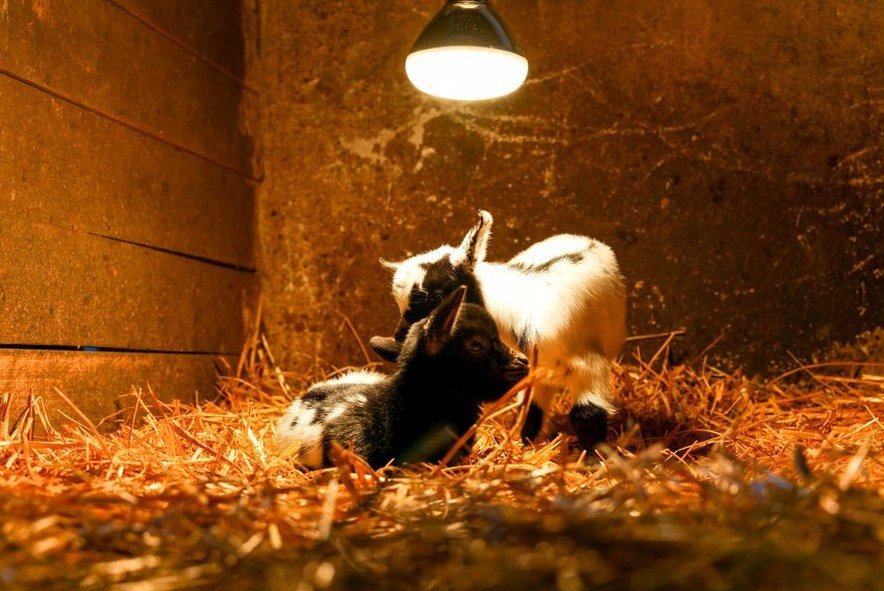
The story works as a practical lesson in identity checks, communication, and emergency response. The goatlings avoid the first deception because they compare the wolf’s claim with a trusted channel: their mother can contact them through their smartwatches. The failure happens when attractive promises replace verification.
What the story teaches first
The goat gives the goatlings smartwatches with video capability before leaving for work. That arrangement creates a direct line between the children and their mother, so a stranger’s statement does not automatically become credible.
The wolf first claims to be a mailman carrying a message. The goatlings reject the story because their mother has not contacted them. This is the correct first check: identify who is speaking, ask how the claim can be confirmed, and use a channel already trusted by the family.
The second attempt is more effective because the wolf offers gifts. He names a computer, a gyroscooter with glowing wheels, and a music player with powerful speakers. Those details create excitement, but they do not prove his identity. A gift, discount, urgent request, or impressive promise should never replace a verification step.
A step-by-step verification workflow
1. Stop before responding
The goatlings should have treated the knock as an unverified event from the beginning. Staying away from the door buys time and prevents the visitor from controlling the conversation.
A child should avoid unlocking the door, giving an address, or sharing personal details. The same rule applies to messages, calls, and online offers: pause before clicking, replying, or sending information.
2. Check the identity through a known channel
The goatlings already know how their mother communicates. A claimed mailman or wizard cannot become trusted merely by using a friendly voice.
The safest response is to contact the parent through the smartwatch and wait for confirmation. If the parent cannot answer, the door remains closed. A second trusted adult or emergency service can be contacted according to the family’s safety plan.
3. Treat the offer as a warning sign
The wolf changes tactics when the first lie fails. He introduces expensive-sounding gifts and encourages the children to focus on what they might receive.
That sequence matters because urgency and temptation reduce careful judgment. The older goatlings begin arguing from desire, while the youngest raises a direct safety question. The youngest has the stronger method because the danger has not been disproved.
The full text of the goat the goatlings and the gray wolf makes this contrast clear: familiar technology helps only when the children follow the verification rule attached to it.
4. Use the device discreetly if danger develops
After the wolf enters, the smallest goatling hides in a backpack and uses the smartwatch to call the goat. The child cannot speak freely, so the video feed becomes the useful evidence.
The goat sees the wolf’s gray tail and understands what happened. This shows why a device should be tested before an emergency. The family needs to know how to start a call, activate video, keep the device quiet, and share enough information for a parent to identify the location.
5. Send a clear alert
The hidden goatling eventually tells the goat that the other children are inside the wolf’s belly. The mother then organizes a response and arrives with reinforcements while animal police take control of the wolf.
In a real household, children should use short, clear information: who is present, where they are, whether anyone is hurt, and whether the danger remains nearby. They should not confront the intruder or attempt a rescue without adult direction.
Where the goatlings’ process broke down
The first two checks worked. The goatlings questioned the stranger and rejected the mailman story. They failed at the final decision because the promised gifts distracted them from the identity problem.
Another weakness was the group’s reaction to the youngest child. The warning was dismissed because the other goatlings believed a wolf would not understand modern devices. That assumption had no evidential value. A person can lie without understanding every product they mention.
The door should have stayed locked until the goat confirmed the visitor. That single rule would have prevented the entire delay, rescue, and police response described in the story.
How to assess the smartwatches realistically
The source describes video capability and voice communication. It does not provide a price, seller, battery duration, network coverage, privacy terms, or emergency-service integration.
Therefore, the story should not be used as proof that any particular smartwatch can monitor children continuously or transmit video in every location. Before paying for a device, verify the functions listed by the seller and check whether the family can actually use them under stress.
A sensible test includes a call from the child’s usual location, a video check in low light, and confirmation that the parent receives alerts promptly. The family should also test what happens when the battery is low or the connection fails. These checks reveal practical limits before a device is needed.
Checklist before payment
- Confirm that the device supports the stated call and video functions.
- Ask which network or connection the device requires.
- Check how the child contacts the parent without opening an incoming message.
- Test the device from the rooms where the child will spend time.
- Verify battery behavior and charging instructions.
- Read privacy terms before enabling video monitoring.
- Agree on a family rule that strangers never receive access through gifts or urgent stories.
- Keep a backup contact method in case the smartwatch fails.
The goatlings survived because one child questioned the story, used the available device, and transmitted evidence to the goat. A reliable workflow follows the same order: pause, verify through a known channel, reject unconfirmed offers, and alert a trusted adult before the situation becomes harder to control.
Write a comment