Guide to children's stories by liubomirova zlata
- What the stories offer children
- Buyer criteria before spending money
- Contract clauses to check before payment
- Real-world choice scenarios
- Common mistakes when selecting a story
- Frequently asked questions
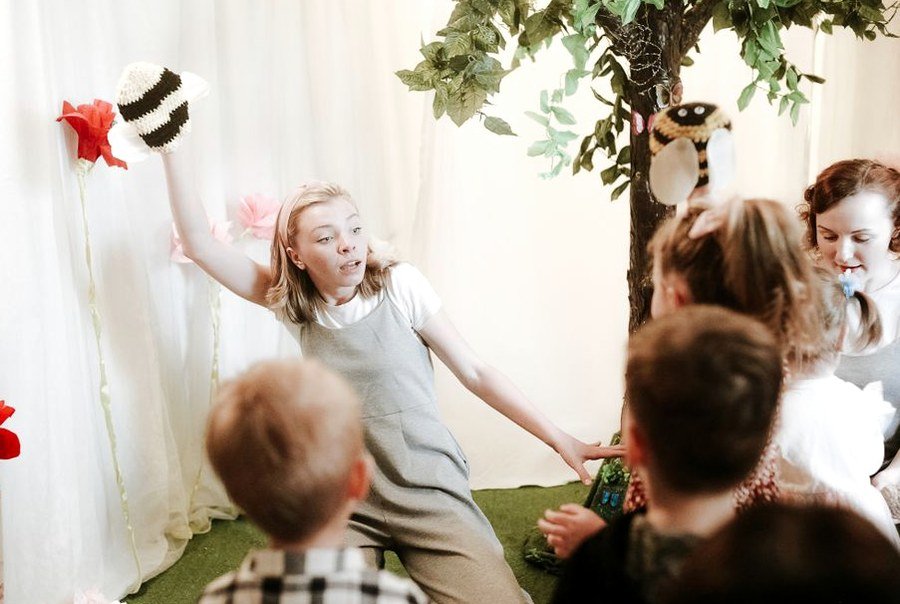
children’s stories by liubomirova zlata are available to read online for free on Modern Fairy Tales. The two described stories suit preschool and early elementary children, but they serve different reading needs: one supports friendship with neighbors, while the other helps children discuss fear and ask for support.
That makes the main buyer decision fairly simple. For home reading, check the child’s age, emotional situation, reading length, and format before paying for any related product. The source material lists free online access, but it does not state a purchase price, paid subscription, print edition, or licensing offer.
What the stories offer children
The unicorn story focuses on a new neighbor and the process of learning to be friendly with people who live nearby. Its therapeutic moral structure suits a child who feels shy around unfamiliar children or needs help understanding everyday conflicts. A bedtime setting may work well because the theme is gentle and familiar.
The kitten story addresses fear of the dark and introduces the word «empathy». The kitten shares his worries with his mother, accepts help, and gradually overcomes nightmares. Parents choosing between the two should match the story to the child’s current concern rather than select by popularity figures alone.
The author, Liubomirova Zlata, describes a background in music and law, along with her experience as a parent. She began writing fairy tales after her daughter asked for original stories. That background helps explain why the texts combine a child-friendly plot with a direct emotional lesson.
Buyer criteria before spending money
First, confirm what you are actually buying. A free web story, a downloadable file, a printed book, a narrated recording, and permission to publish the text are separate products. The available information confirms online reading at no cost, but it does not confirm paid versions of any kind.
- Check the recommended age. Both described stories target preschool and early elementary readers, so they may be too simple for older children who expect a longer plot.
- Read the description of the emotional theme. The unicorn story concerns neighborly friendship; the kitten story concerns fear, parental support, and empathy.
- Confirm the format before payment. A video is mentioned for the kitten story, but the source does not specify whether it is free, downloadable, licensed, or sold separately.
- Ask who receives the payment. If a third party offers a printed or digital copy, verify that the seller has permission from the rights holder.
- Check whether the price covers personal use only. Classroom distribution, reposting, translation, and commercial publication require separate clarification.
Contract clauses to check before payment
If someone offers a paid edition or custom use of one of these stories, the contract should identify the exact title and author. A vague reference to «children’s stories by Liubomirova Zlata» does not specify which text, format, or rights are included.
The payment clause should state the currency, total amount, payment date, and whether taxes or delivery costs apply. No price or currency appears in the supplied information, so a seller should provide those details in writing rather than rely on a message or verbal promise.
Rights language deserves close attention. The contract should say whether you receive permission to read the story privately, print copies for a family, use it in a classroom, record it, translate it, or publish it online. Ownership of the copyright does not automatically transfer when a customer pays for a file or book.
Also check delivery and refund terms. The document should name the file type or physical edition, expected dispatch date if applicable, and the remedy for a damaged, missing, or inaccessible purchase. If the seller promises a video, the contract should identify the platform and access period.
Do not pay until the rights, format, price, and delivery terms are written clearly. This is especially relevant when a marketplace listing uses the author’s name but provides no evidence of authorization.
Real-world choice scenarios
A parent choosing a bedtime story
If the child feels uneasy in the dark, the kitten story is the stronger first choice because the conflict matches the child’s experience. Read it together and pause when the kitten talks with his mother. The aim is conversation, not a promise that one reading will remove every nightmare.
A child facing a new neighbor
The unicorn story fits a move, a new apartment, or tension with children living nearby. It gives the parent a natural way to discuss greetings, boundaries, and friendly behavior without turning the reading session into a lecture.
A teacher considering classroom use
A teacher should request permission before copying, recording, translating, or uploading the text for pupils. Free public reading does not prove that classroom redistribution or commercial use is permitted. If no licensing terms are available, use the story through the original portal and ask the rights holder for written approval.
Common mistakes when selecting a story
Popularity numbers can show reader activity, but they do not prove that a story fits a particular child. The kitten story has higher figures in the supplied listing, yet a child dealing with a new neighbor may gain more from the unicorn plot.
Another mistake is paying for a repackaged copy without checking its source. Compare the title, author name, format, and seller identity. If the offer includes extras such as narration or video, ask whether those extras come from the author or from an unauthorized reseller.
Frequently asked questions
Are these stories free to read?
The supplied information presents them as free online fairy tales on Modern Fairy Tales. It does not confirm prices for printed copies, downloads, or licensed adaptations.
Which story suits a child afraid of the dark?
The kitten story is the closer match. It addresses nightmares, empathy, communication with parents, and accepting help.
Can a teacher copy the stories for a class?
The available information does not grant classroom copying rights. Ask the rights holder for written permission before reproducing or uploading the text.
Does payment transfer copyright?
No automatic transfer should be assumed. A contract must state whether it grants reading, printing, recording, translation, or publication rights.
- Reference: https://modern-fairy-tales.com/author/75
Write a comment