Major Winter Storm Hits US, Prompts States of Emergency
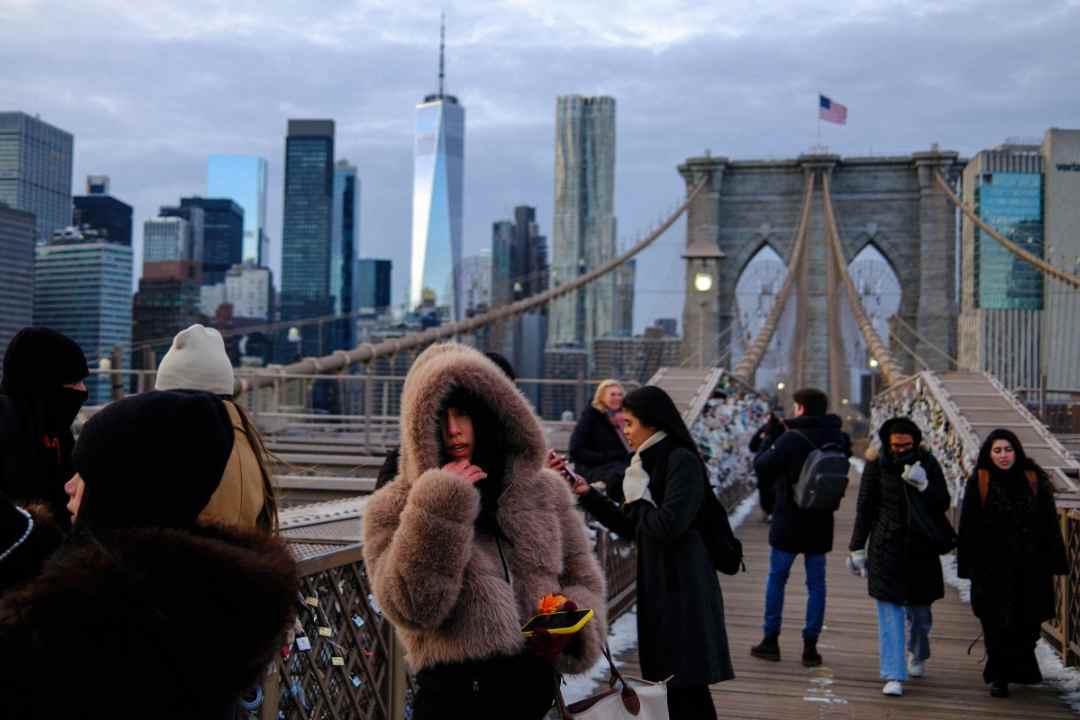
Major Winter Storm Hits US, Prompts States of Emergency opposition Opposition outlets depict the winter storm as a severe, rapidly spreading system bringing record lows, heavy snow, and ice to key Midwestern and East Coast cities, prompting 14 states and Washington D.C. to declare emergencies. Their coverage stresses hazardous roads and potential blackouts, but largely frames the event as a recurring test of local infrastructure and preparedness rather than a politically or climatically charged crisis. @100noticias.tv
government-aligned Government-aligned outlets frame the storm as a megastorm affecting up to 230 million people and triggering coordinated states of emergency across almost the entire country. They highlight proactive actions by governors and mayors, emphasize risks of catastrophic ice and power failures, and explicitly connect the event to climate change science and prior disasters like Texas 2021, sometimes in contrast with the President’s skeptical rhetoric. @Nicaragua Investiga @AlbertoNews A massive winter storm system is sweeping across the United States, bringing heavy snow, freezing rain, and life-threatening cold to a vast portion of the country, with estimates ranging from around 160 million to more than 230 million people under some form of winter alert. At least 14 states and Washington D.C. have declared states of emergency as the storm, which formed in the Rocky Mountains, moves eastward toward major population centers including Minneapolis, Chicago, Cleveland, New York, and Washington D.C., where authorities warn of hazardous travel, potential power outages, fallen trees, and record-low temperatures.
Both sides agree that officials at federal, state, and local levels are activating emergency protocols, pre-positioning road crews, and urging residents to stay home, stock supplies, and prepare for prolonged disruptions. They also converge on the broader meteorological context: a large, moisture-laden system combining Arctic air with warmer, humid air masses, similar in character to previous historic storms such as the 2021 Texas event, with forecasters warning that climate and infrastructure vulnerabilities make modern winter storms more disruptive despite improved early-warning systems.
Points of Contention
Severity and scale framing. Opposition-aligned outlets emphasize the storm as dangerous but focus more on specific regions and cities, presenting the event as a severe yet familiar winter threat that will test local preparedness. Government-aligned outlets tend to use terms like megastorm and stress the higher-end estimates of people affected, portraying it as an almost nationwide emergency. While both acknowledge record lows and disruptive snow and ice, opposition coverage is somewhat more measured in scope, whereas government-aligned coverage leans into the idea of a near-historic, potentially catastrophic event.
Government competence and readiness. Opposition sources give relatively limited detail on federal coordination and mainly highlight the formal declarations of emergency and general travel warnings, implicitly questioning whether authorities will manage power, roads, and vulnerable populations adequately. Government-aligned outlets dwell on governors and mayors holding briefings, mobilizing sanitation workers, opening shelters, and activating emergency protocols, presenting a narrative of proactive and well-organized response. In this framing, opposition coverage leaves room for doubt about state capacity, while government-aligned coverage spotlights logistical readiness and visible leadership.
Climate change and political messaging. Opposition coverage focuses on the immediate meteorological threat and human impact, with little or no prominent discussion of climate change or high-level political statements about the storm. Government-aligned outlets explicitly reference how political leaders, including the President, use the storm rhetorically, noting instances where he questions global warming and juxtaposing that with scientific explanations linking climate change to more intense winter events. As a result, opposition stories treat the storm mainly as a weather and safety issue, while government-aligned stories embed it in a broader climate and political communication debate.
Social impact and vulnerability. Opposition reports highlight dangerous road conditions, record-low temperatures, and the risk of power outages as general threats to residents across the affected states. Government-aligned outlets add more detail on social measures such as efforts to shelter the homeless, protect critical infrastructure, and avoid a repeat of the Texas 2021 disaster, emphasizing particular concern for vulnerable communities. Thus, opposition coverage frames impact in broad public-safety terms, while government-aligned coverage more often foregrounds targeted protections and the lessons of past crises.
In summary, opposition coverage tends to underscore the storm’s dangers in a more regionally focused, event-driven way with limited political or climate framing, while government-aligned coverage tends to cast it as a near-historic nationwide crisis that spotlights proactive government response and explicitly links the event to climate change debates and past policy failures. Story coverage
Write a comment