Jorge Rodríguez Promises Imminent Release of Political Prisoners
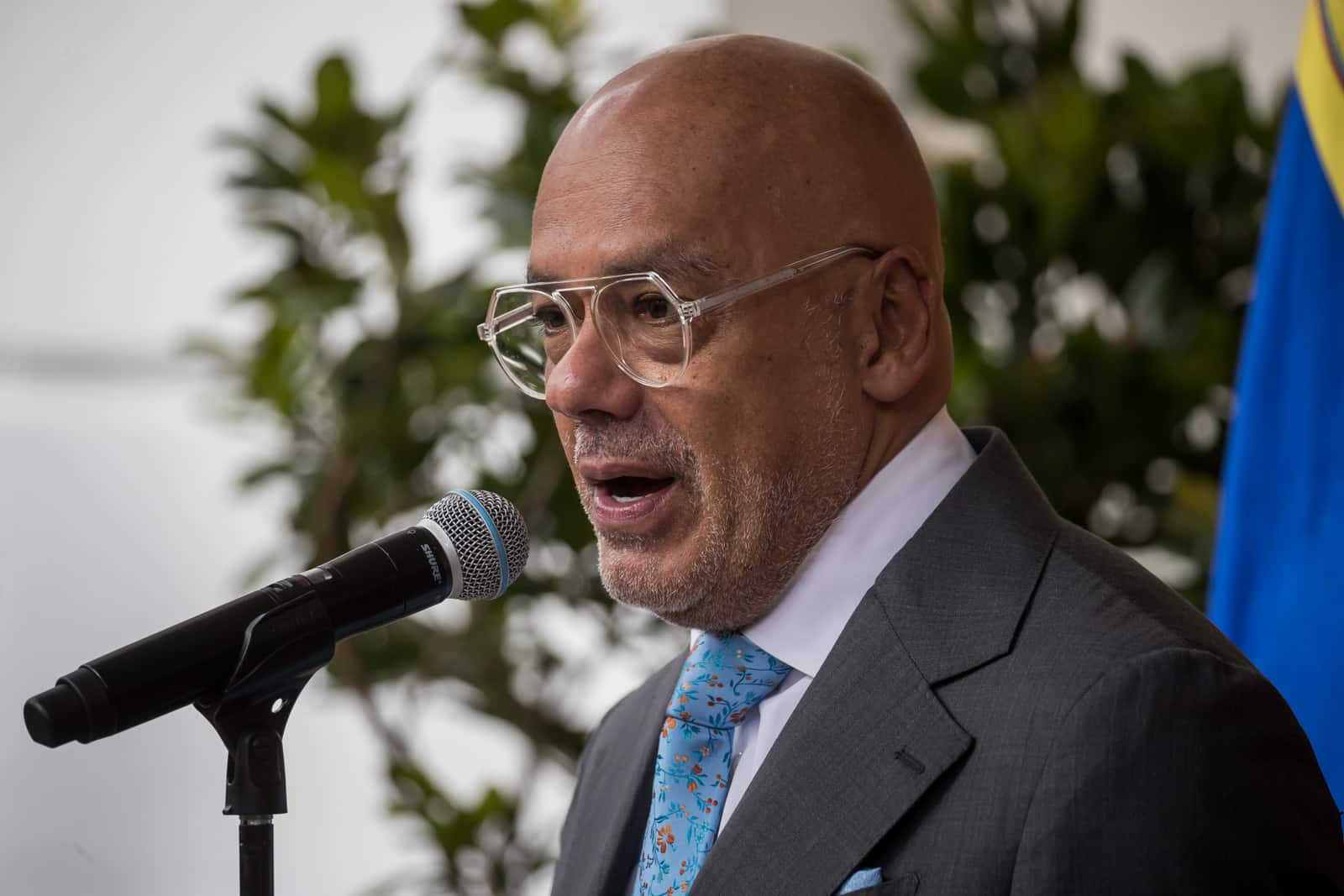
Jorge Rodríguez Promises Imminent Release of Political Prisoners government-aligned Government-aligned coverage depicts Rodríguez’s announcement as a decisive, benevolent step by the National Assembly and state institutions to grant amnesty and secure the release of people involved in political or related offenses. These outlets present the measure as broad, orderly, and motivated by a commitment to peace, reconciliation, and respect for legal procedures rather than by external pressure. @AlbertoNews @El Diario Venezuela Jorge Rodríguez, president of Venezuela’s National Assembly, visited the Policía Nacional Bolivariana’s Zona 7 detention center and spoke with relatives of detainees who have been maintaining a vigil there for weeks. From outside the facility he publicly promised that all those described as political prisoners held in that location would be released imminently, setting a window from Tuesday, February 10 to Friday, February 13 and saying they would “all be out by Friday at the latest.” Coverage across the spectrum notes that this announcement is linked to the definitive approval of an amnesty law that covers political or related offenses committed between 1999 and January 2026, and that it comes after sustained public pressure, including reports by NGOs on harassment and poor sanitary conditions affecting both detainees and their families.
Both sides describe the measure as part of a broader process of addressing politically motivated cases through institutional channels, particularly via the National Assembly’s amnesty legislation. They agree that civil society groups, lawyers, and human rights defenders are pushing for the releases to be comprehensive, encompassing all those considered political prisoners and not limited to one specific facility, and that there are debates over whether any ongoing precautionary measures should remain in place. Across outlets, the amnesty law is situated within a longer history of criminalization of political dissent since 1999 and framed as a legal mechanism that could reshape the landscape of opposition-related prosecutions, even as its exact implementation criteria and reach are still being contested.
Points of Contention
Nature of the gesture. Opposition-aligned sources tend to portray Rodríguez’s promise as a reactive move forced by domestic and international pressure, treating the releases as overdue redress rather than a voluntary concession. Government-aligned outlets, by contrast, emphasize the visit and announcement as a sovereign initiative that demonstrates institutional responsiveness and humanitarian concern by the National Assembly and the executive. While critical media highlight that families had to endure a month-long vigil to get attention, pro-government coverage foregrounds Rodríguez’s personal engagement with relatives as evidence of political will and dialogue.
Scope and beneficiaries. Opposition media generally stress that the promise appears limited to those currently held in specific facilities like Zona 7 and argue that many other political prisoners or persecuted actors may remain excluded. Government-aligned coverage underscores Rodríguez’s statement that “they will all be out” and pairs it with the broad temporal scope of the amnesty law, suggesting a wide-ranging resolution of politically related cases. Critical outlets question whether individuals outside Caracas or in military and intelligence prisons, as well as those in exile or under precautionary measures, will actually benefit, whereas official-leaning sources downplay these caveats and frame the law as comprehensive.
Characterization of the detainees. Opposition-aligned sources consistently refer to those affected as political prisoners and prisoners of conscience, stressing that they were jailed for dissent, protest, or opposition activity. Government-aligned media often avoid or qualify the term political prisoners, presenting them instead as people involved in political or related offenses who are being granted amnesty as a political and legal decision rather than as victims of injustice. While critical coverage foregrounds alleged arbitrary detention, fabricated charges, and due-process violations, pro-government narratives focus on reconciliation and national pacification, sidestepping detailed discussion of the original accusations.
Motives and international dimension. Opposition outlets frequently frame the promised releases as a response to mounting international scrutiny, human rights reports, and negotiations with foreign actors, implying that the government is seeking sanctions relief or legitimacy. Government-aligned coverage, however, situates the measure within an internal agenda of peace, dialogue, and legislative reform, minimizing any notion of external pressure. Where critical media link the timing of the announcement to diplomatic calendars and upcoming political milestones, official-leaning sources depict it as the logical culmination of the Assembly’s amnesty process and a reaffirmation of national sovereignty.
In summary, opposition coverage tends to treat Rodríguez’s promise as a pressured, partial, and politically calculated response to a longstanding pattern of repression, while government-aligned coverage tends to present it as a broad, sovereign, and humanitarian initiative flowing naturally from the amnesty law and the institutions that approved it. Story coverage
Write a comment