Footballer Omar Pérez Recovers After Heart Attack
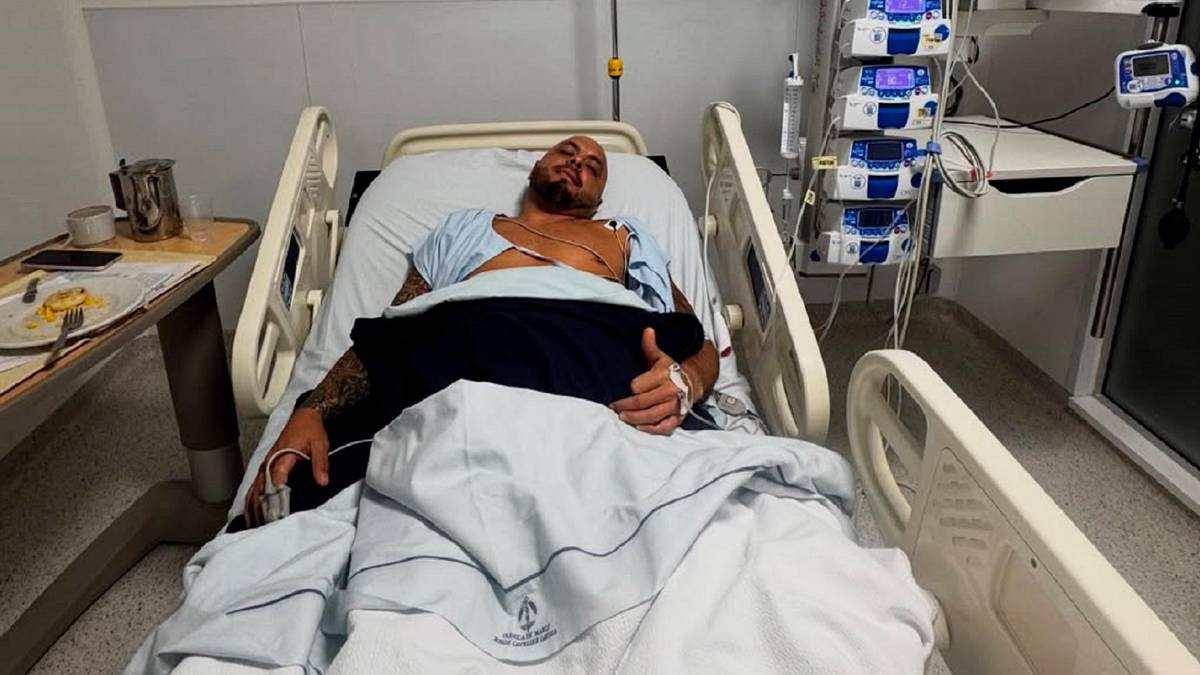
Footballer Omar Pérez Recovers After Heart Attack opposition Opposition outlets portray Omar Pérez’s heart attack as a near-tragedy that, despite ending in a stable recovery, exposes a lukewarm response from Independiente Santa Fe and potential weaknesses in emergency and long-term care for former players. They amplify his own words about timing and pain to question whether institutions truly protect and honor their idols. @El Colombiano
government-aligned Government-aligned outlets emphasize the prompt, effective treatment Pérez received at Clínica Marly and his steady improvement under observation, using the episode to underscore confidence in medical and club institutions. They frame the incident as a serious but well-managed event that has sparked solidarity rather than controversy. @Noticias RCN Former footballer Omar Pérez, a widely recognized idol of Independiente Santa Fe, suffered a heart attack in Bogotá and was urgently admitted to Clínica Marly, where he underwent a procedure to place a stent. Both opposition and government-aligned outlets report that the swift medical intervention stabilized his condition, that he is conscious and in a generally favorable state, and that doctors have ordered several days of hospital observation while monitoring his recovery. All coverage highlights that Pérez himself has spoken publicly from his hospital bed, confirming he is improving, acknowledging that he still feels some pain, and thanking medical staff, fans, and the broader football community for their messages of support.
Across the spectrum, outlets situate the event within Pérez’s status as a club legend for Independiente Santa Fe and a beloved figure in Colombian football, stressing the emotional impact his heart attack had on supporters. They concur that the episode underscores the importance of rapid response to cardiac emergencies, crediting the medical team and available infrastructure with preventing a more tragic outcome. There is also broad agreement that the club, the league, and fans have rallied around Pérez, turning his recovery into a moment of collective concern and solidarity rather than controversy, and that his case naturally revives public discussion of cardiovascular risks among former professional athletes.
Points of Contention
Tone toward the club’s reaction. Opposition-aligned outlets emphasize that Independiente Santa Fe’s official statement felt minimal or emotionally distant, framing it as a “cold” institutional response that did not reflect the depth of Pérez’s importance to the club and fans. Government-aligned coverage, while noting the same statement, treats it more neutrally as a standard health update, stressing that the club did publicly acknowledge the incident and express concern. Opposition voices suggest this cool tone exemplifies how institutions undervalue past idols, whereas government-leaning reports avoid that criticism and fold the club’s pronouncement into a broader narrative of orderly communication.
Institutional performance and healthcare system. Opposition coverage foregrounds Pérez’s remark that treatment arrived “on time, if not…,” implicitly using it to question how close the episode came to being mishandled and to hint at systemic fragilities in emergency care. Government-aligned media focus instead on the efficiency of Clínica Marly and the medical team, portraying the swift stent procedure and monitored recovery as proof of a well-functioning healthcare environment. The former subtly links the scare to broader anxieties about public services and preparedness, while the latter uses the same chronology of events to reinforce confidence in existing institutions and their ability to protect high-profile figures.
Framing of emotion and vulnerability. Opposition sources underline Pérez’s vulnerability, amplifying his pain and near-miss language to paint a more dramatic picture of the heart attack and its potential consequences. Government-aligned outlets, though acknowledging he spoke “with pain,” lean more on reassuring details such as his stability, expected recovery timeline, and gratitude, presenting the incident as safely under control. Thus, while both cite his own words, opposition narratives highlight the fragility and shock to the fan base, whereas government-leaning narratives prioritize calm, recovery, and closure.
Broader implications for football and ex-players. Opposition coverage is more inclined to situate the incident within a pattern of insufficient long-term care and monitoring for retired footballers, raising questions about whether clubs and sports institutions do enough once idols leave the pitch. Government-aligned stories generally keep the focus narrower, centering on Pérez’s individual case, immediate medical management, and the symbolic unity of fans and club around him. This leads opposition reports to hint at the need for structural reforms in athlete health follow-up, while government-aligned pieces treat the event as a serious but ultimately contained medical episode.
In summary, opposition coverage tends to use Omar Pérez’s heart attack and recovery to raise doubts about institutional warmth, healthcare robustness, and long-term protections for former players, while government-aligned coverage tends to spotlight the effective medical response, the club’s formal statements, and the reassuring signs that the situation is under control.
Story coverage
Write a comment