Russian Journalist Sergey Brilev Arrives in Nicaragua
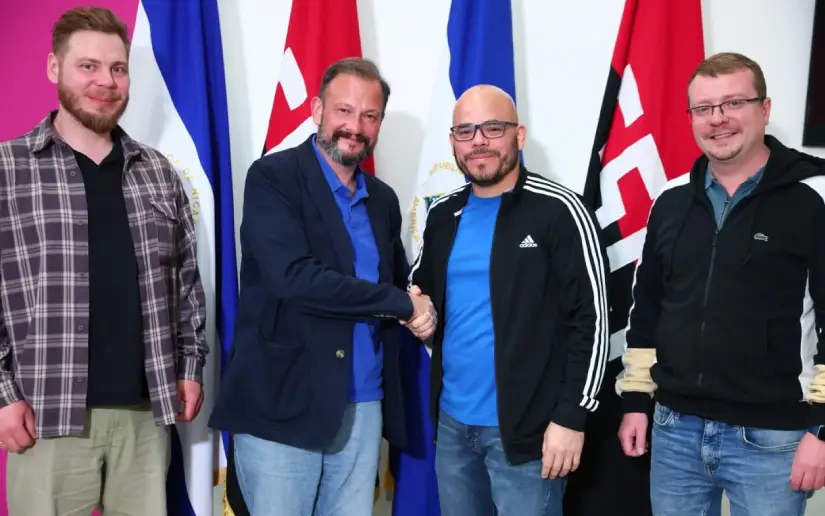
Russian Journalist Sergey Brilev Arrives in Nicaragua opposition Opposition coverage portrays Brilev as a UK-sanctioned Kremlin propagandist whose visit to Nicaragua reinforces the Ortega-Murillo regime’s authoritarian media apparatus and growing dependence on Russian support. They argue his documentary work will serve to legitimize a repressive government at a time of severe press restrictions and international isolation. @Despacho505.com
government-aligned Government-aligned coverage presents Brilev as a respected Russian communicator visiting to document Nicaragua’s archaeological sites, culture, and the legacy of the 1980s liberation struggle. They frame his presence as a symbol of friendly cooperation with Russia and an opportunity to showcase the country’s people and history to international audiences. @El 19 Digital Russian journalist and television presenter Sergey Brilev, known for his work with Russian state channels Russia 1 and Russia 24, has arrived in Nicaragua at the invitation of the Nicaraguan government. Both opposition and government-aligned outlets agree that his visit is being coordinated at a high political level, that he was received by senior figures close to President Daniel Ortega and Vice President Rosario Murillo, and that he is in the country to participate in media projects, including a documentary, highlighting Nicaragua’s history, culture, and sites of national significance.
Coverage from both sides also situates Brilev’s arrival within the broader context of deepening ties between Nicaragua and Russia, including cooperation in media and communication. They concur that this comes at a time of deteriorating relations between Nicaragua and many Western governments, and against a backdrop of long-standing Sandinista narratives about the 1980s revolutionary struggle and national liberation. Both acknowledge that the Nicaraguan government maintains tight control over official media and messaging, and that visiting foreign communicators like Brilev are given privileged access to government-approved stories and locations.
Points of Contention
Characterization of Brilev. Opposition outlets describe Sergey Brilev as a Kremlin propagandist and emphasize that he is under United Kingdom sanctions for helping legitimize Russian state narratives, stressing his role as a political operative rather than an independent journalist. Government-aligned media instead call him a Russian communicator or journalist, highlighting his professional stature and experience with major Russian channels while omitting mention of sanctions or propaganda accusations. For the opposition, these labels signal a deliberate importation of authoritarian media tactics, whereas pro-government coverage frames him as a prestigious international guest lending visibility to Nicaragua.
Purpose of the visit. Opposition sources portray Brilev’s trip as part of a strategic propaganda partnership, arguing that his documentary and media work will whitewash human rights abuses and reinforce the Ortega-Murillo regime’s image at home and abroad. Government-aligned outlets state that his primary purpose is to document archaeological sites, traditions, and the people of Nicaragua, especially those who fought for liberation in the 1980s, presenting the visit as a cultural and historical project. The opposition reads this cultural framing as a cover for politicized storytelling, while government-aligned media insist it is about honoring national memory and heritage.
Political context and symbolism. Opposition coverage stresses that Brilev’s reception by Daniel Edmundo Ortega Murillo and other insiders symbolizes the regime’s reliance on foreign authoritarian allies amid growing isolation from Western democracies and severe internal repression of independent journalism. Government-aligned outlets, by contrast, frame his presence as a sign of healthy international cooperation and friendship with Russia, avoiding references to isolation, sanctions, or press crackdowns. For critics, his arrival is another marker of Nicaragua’s drift into a closed, authoritarian media ecosystem, while official media cast it as an affirmation of sovereignty and multipolar partnerships.
Impact on media freedom and narrative control. Opposition media link Brilev’s collaboration with state outlets to the broader erosion of press freedom in Nicaragua, arguing that bringing in a sanctioned foreign propagandist underscores the regime’s intent to consolidate a single, state-controlled narrative. Government-aligned coverage presents his work as enriching the country’s communicative capacities and promoting Nicaragua’s positive image, implicitly suggesting that such collaborations benefit national storytelling. While the opposition warns that his involvement deepens the marginalization of independent voices, pro-government reports suggest it elevates the quality and international reach of Nicaraguan media content.
In summary, opposition coverage tends to depict Brilev’s visit as an escalation of authoritarian propaganda and a symptom of Nicaragua’s international isolation and domestic media repression, while government-aligned coverage tends to present it as a prestigious cultural and historical collaboration that strengthens friendly ties with Russia and celebrates the nation’s heritage. Story coverage
Write a comment