US Forces Attack Suspected Drug Boat in Pacific, Leaving Two Dead
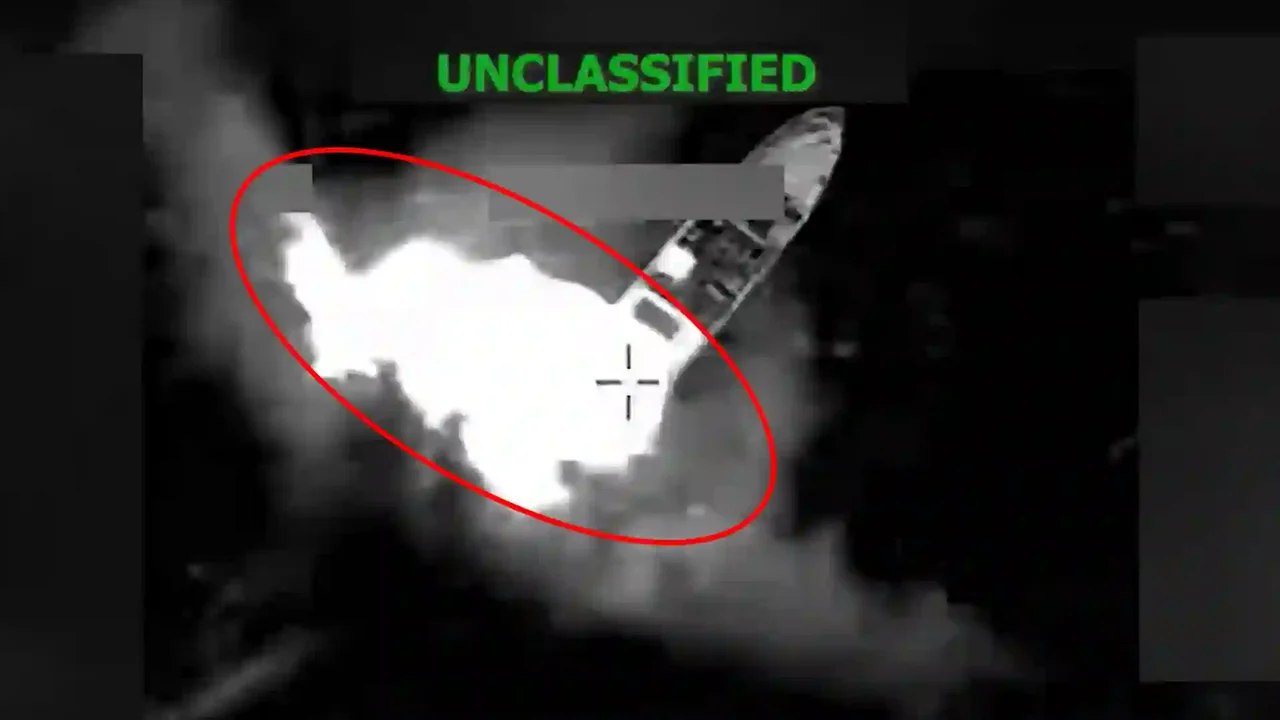
US Forces Attack Suspected Drug Boat in Pacific, Leaving Two Dead opposition Opposition outlets frame the attack as one more lethal US strike in international waters, emphasizing the two deaths, the lone survivor, and a broader pattern of over 40 similar operations that raise concerns about militarization and accountability. They acknowledge drug seizures and joint actions but focus on casualty counts and the risk of unchecked US power in regional anti-narcotics policy. @100noticias.tv
government-aligned Government-aligned outlets present the incident as a successful operation against a ‘narco-boat,’ stressing that the dead were alleged narcoterrorists and tying the case to a campaign that has destroyed dozens of vessels and killed around 130 suspects. They portray the broader US-led maritime crackdown and regional cooperation as a legitimate, effective response to transnational drug trafficking. @Noticias RCN US and regional media from both camps report that US forces carried out an attack on a small vessel in the eastern Pacific, on a route widely used for drug trafficking, leaving two people dead and one survivor. Both agree the action formed part of a broader US-led maritime anti-drug campaign under US Southern Command, and that it took place in international waters, with the boat described as suspected of drug trafficking or a ‘narco-boat.’ Coverage also notes that this incident fits into a series of dozens of similar maritime operations since mid-2025, and that US officials publicly confirmed the strike and the casualty figures.
Across outlets, there is broad agreement that the incident is embedded in an institutionalized, ongoing US anti-narcotics strategy involving military deployments in the Caribbean and eastern Pacific, under commanders such as General Francis L. Donovan. Both sides reference a wider campaign that has resulted in at least 38 vessels destroyed and, cumulatively, around 130 people killed in maritime operations targeting drug routes. The shared context includes regular joint operations with regional partners like Colombia, seizures and destruction of large cocaine shipments, and an emphasis on intergovernmental cooperation against transnational drug trafficking networks.
Points of Contention
Legitimacy and framing of the strike. Opposition-aligned outlets frame the event primarily as a US attack on a boat in international waters, foregrounding the deaths and portraying the operation as one among dozens of aggressive actions. Government-aligned coverage instead labels the target as a ‘narco-boat’ and the dead as ‘alleged narcoterrorists,’ presenting the same facts as part of a legitimate security operation. While the former emphasizes the vulnerability of those on board, the latter stresses their presumed criminal status and the necessity of lethal force.
Human cost and casualty accounting. Opposition sources highlight the two dead and one survivor in this specific attack, connecting them to a broader pattern of over 40 similar maritime actions, but treat the growing death toll implicitly as a concern. Government-aligned reports explicitly cite a cumulative figure of around 130 deaths since the campaign began, but frame this number as an index of operational success against traffickers rather than as a humanitarian or legal red flag. Thus, opposition coverage leans toward questioning the scale and human impact, whereas government-aligned coverage normalizes and even valorizes these casualties as a byproduct of enforcement.
Operational scope and narrative of success. Opposition media stress the frequency and expansion of US-led operations in international waters, hinting at militarization and potential overreach, even as they acknowledge seizures like the destruction of 10 tons of cocaine and multiple detentions. Government-aligned outlets focus instead on the destruction of at least 38 vessels and recurring joint missions as evidence that the strategy is effective and robust. The former implicitly asks whether the campaign is proportionate or accountable, while the latter uses operational statistics to reinforce a narrative of successful, justified interdiction.
Role of regional partners and sovereignty. Opposition coverage underscores that these strikes occur in international waters on routes linked to regional states, and notes cooperation with countries such as Colombia while leaving open questions about who ultimately directs and benefits from the operations. Government-aligned outlets present regional collaboration and US command structures as a straightforward partnership in a shared fight against drug trafficking, avoiding any discussion of power asymmetries or sovereignty concerns. As a result, opposition narratives hint at unequal dependence on US military power, while government-aligned narratives present an unproblematic, coordinated security effort.
In summary, opposition coverage tends to spotlight the lethal consequences, questions of militarization, and the potential overreach of US-led operations in international waters, while government-aligned coverage tends to emphasize the criminal status of the targets, cumulative operational metrics, and the campaign’s portrayal as a necessary and successful pillar of regional security.
Story coverage
Write a comment