Preschool guide to winter and her children preschool fairy tale
- What the publication information confirms
- Copyright checks before classroom use
- Accounting and tax records for institutions
- Customs and cross-border document safety
- FAQ
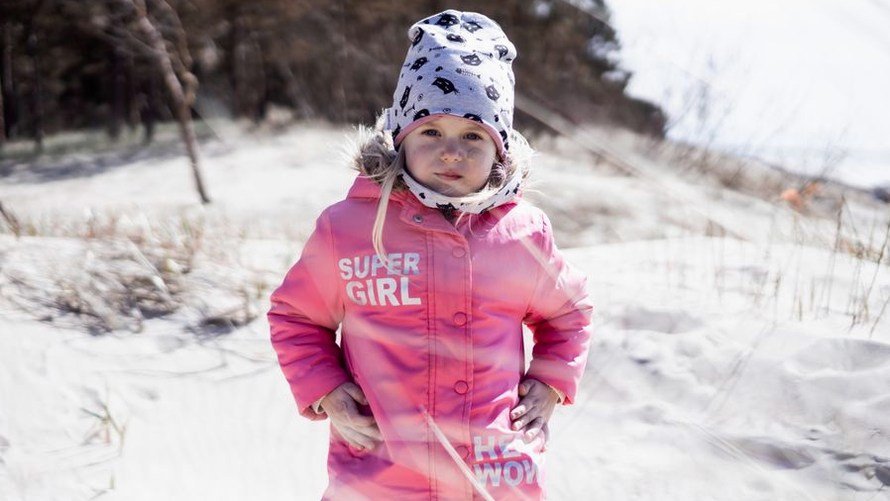
The winter and her children preschool fairy tale is a short educational story about weather, responsibility, and the effects of severe cold. Before using it in a classroom, confirm the copyright notice, permitted format, and whether the planned use is private reading or public presentation.
The story follows Winter and her five children: Frost, Wind, Drifta, Swirla, and Blizzara. Their games produce ice, snow, strong gusts, and bitter cold. The ending shows Winter calling the children back when animals and birds begin to suffer — giving teachers a clear opening to discuss weather without treating the tale as a science text.
What the publication information confirms
The story is attributed to Katya Ivanova and appears on Modern Fairy Tales. The site carries a 2026 project copyright and marks the material as suitable for readers aged 0+. It also notes that the fairy tale is available in FB2 format for phones, tablets, computers, and e-book readers.
Those details support a basic record of the source, but they do not automatically grant permission to copy, modify, print, sell, or upload the text elsewhere. The page states no commercial licence, classroom licence, or blanket permission for public performance.
Teachers and parents can read the winter and her children preschool fairy tale through the named publication page, then keep the page address and access date in their internal records. Saving that information helps identify the authorised source if the file is later transferred between devices.
Copyright checks before classroom use
Private reading with a child differs from distributing copies to a whole group. If a preschool plans to print handouts, place the text on a learning platform, record an audio version, or stage the story, ask the rights holder whether that use is permitted.
- Keep the author’s name, title, source website, and copyright notice with any authorised copy.
- Do not strip publication details from an FB2 file or convert the story to another format for public distribution without permission.
- Ask separately about illustrations, recordings, translations, and adaptations — permission for the text may not cover every additional element.
- Record the reply, including the date, permitted use, intended audience, and any limits on storage or sharing.
A link to the original page is safer than sending a copied file to families. When children need offline access, the preschool should hold written permission or use a file supplied directly under suitable terms.
Accounting and tax records for institutions
The source page lists no price, paid subscription, invoice, licence fee, or tax charge for this fairy tale. A preschool should not invent a purchase amount or record a free webpage as a paid acquisition. Any actual payment can be classified by the institution’s accountant according to the document issued by the rights holder or platform.
For a paid licence, retain the invoice, receipt, agreement, payment confirmation, and description of the authorised use. That document should identify the seller or rights holder, the title of the work, the amount, currency, date, and service or licence period where those details apply.
If no payment occurs, a simple internal note — stating that the material was accessed from the named website and that no licence fee was charged — is sufficient. Tax treatment depends on the organisation’s status, the supplier’s location, and the legal form of the transaction, so a preschool should verify those points with its accountant rather than applying a guessed rate.
Customs and cross-border document safety
Digital access to an online fairy tale does not normally create a shipment requiring customs clearance. An imported printed book, storage device, or paid cross-border service can involve different documentation, so the preschool should identify what it actually received before recording the transaction.
For a physical delivery, retain the seller’s invoice, transport document, product description, and any customs paperwork supplied by the carrier. For an online licence, keep the electronic invoice and contract rather than preparing shipment documents that do not match the transaction.
FAQ
Is the story suitable for preschool children?
Yes. The publication describes it as a preschool story and marks the project 0+. Adults should still guide discussion, as some scenes depict animals suffering during severe cold.
Can a teacher print the fairy tale?
Web access does not automatically include printing rights. Check the copyright terms or request permission before making classroom copies.
Is FB2 suitable for every preschool device?
FB2 works on supported phones, tablets, computers, and e-readers. Check compatibility before distributing files to families.
Does reading it require customs paperwork?
Online reading does not normally involve customs clearance. Physical imports or paid cross-border transactions require records appropriate to the actual goods or service received.
Write a comment