Hell Is Me ⋅ The Blood of Dawnwalker Hell Is Me ⋅ The Blood of Dawnwalker
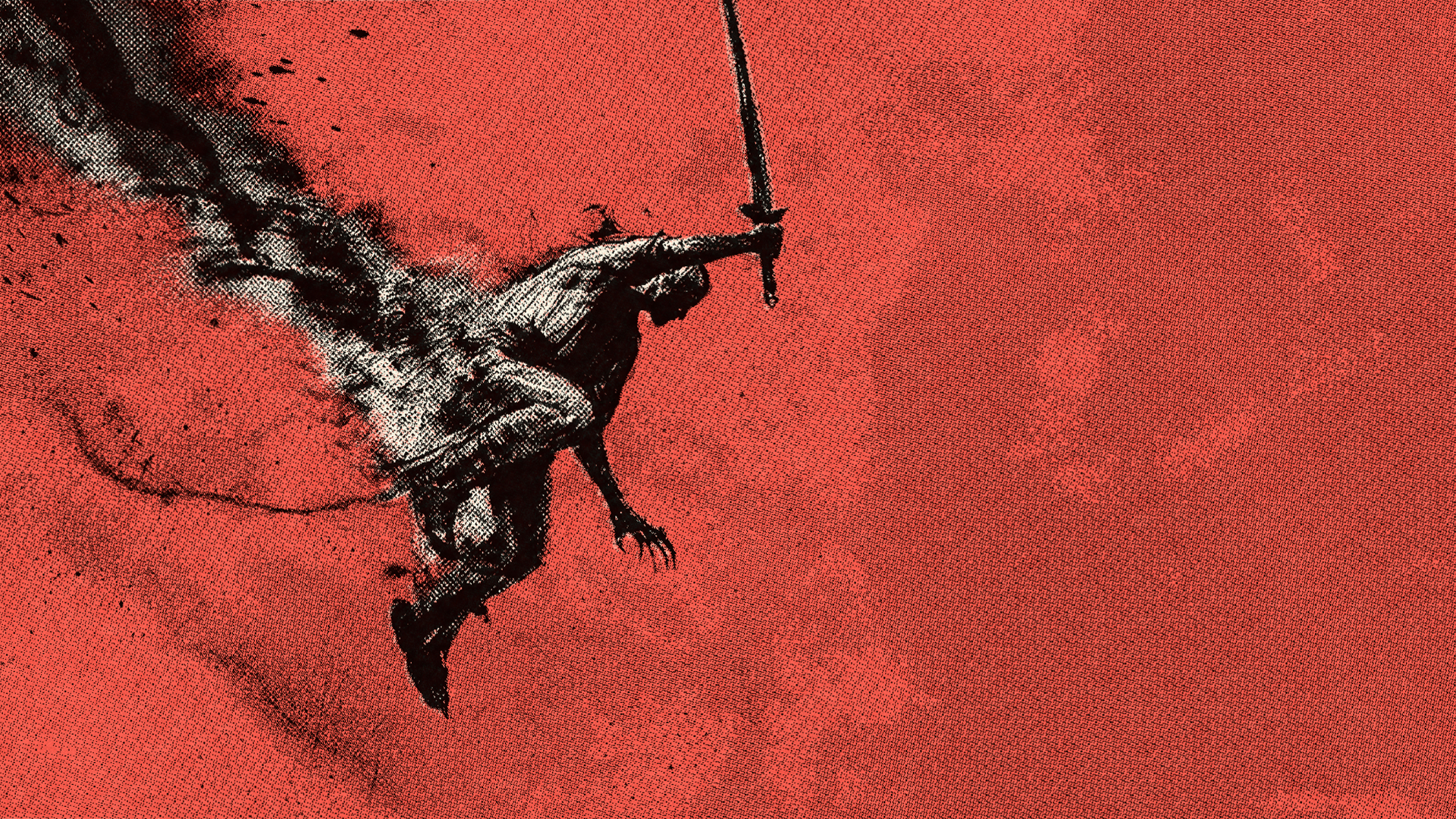
When we encounter fear in the Vale Sangora, we do not ask where it came from, what it once was, or where it is headed—for us, fear is not a guest, but an enemy. Even vampires observe the rule of never entering a home uninvited. If they have found their way into our lives, is it not because we let them in?
Our journey begins with fear, and so it can only end in fear—fear of that which we do not understand. Death. At first, death wanted to take away Coen’s sister, Lunka, with the hands of its eternal subject, the plague. Then, by the hands of a weak servant—pride in the person of knyaz Skender. In the end, she adopted the most cunning mask in the face of compassion of her own brother, who was not ready to allow the death of a loved one and therefore cursed her life by letting her drink vampire blood, which cures all diseases.
Life is always a blessing, is it not?
Don’t Bite The Neck That Feeds You
The story is rooted in the struggle between humans and vampires, spirit and curse, good and evil—but could it be that our enemy is actually something we are unwilling to acknowledge within ourselves?
“Admit it, Coen of Laslea, I freed you.”
Throughout his journey, Coen casts himself as a victim—someone who never asked to become one of the very vampires he swore to fight. But is that truly the case? Could vampirism actually be a cure for what the protagonist feared most: death—the death of his family, his beloved sister, his village, his friends, and, above all, his own?
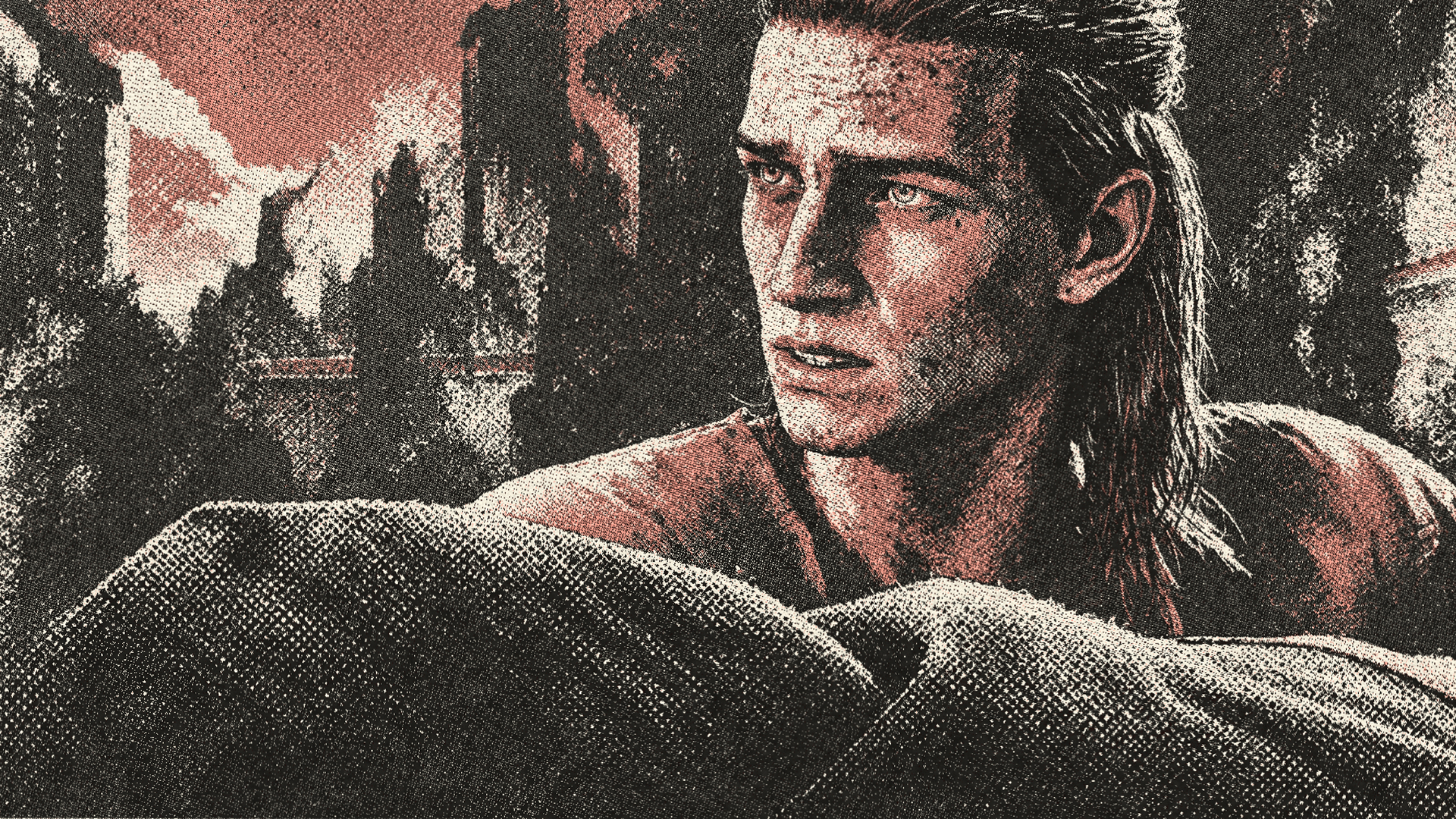
A brother’s concern for his sister—his relentless desire to save her life—is, in reality, nothing more than an expression of Coen’s fear for his own life. Lunka serves as a convenient object to be rescued from all manner of threats, precisely because Coen cannot save himself. He is not prepared to face the death that has resided within his body since birth—a death that will arrive when its time comes. In saving his sister, he was only saving himself.
Immortality Is Not Power, But Despair
Vampirism in culture is an expression of humanity’s intense craving for its own existence—a life no one wishes to see come to an end. There is still so much left undone, so much yet to be experienced—why should it ever cease? At the cost of others, we continue ourselves: taking someone else’s blood, food, place. Having taken everything into our own hands, we will outlive everyone else. And we will be left alone with ourselves forever—with the worthless handful of fear that we call ourselves.
Vrakhiri of Sangora are the most vulnerable beings in story, for their immortality is rooted in the refusal to accept death. The only fate that awaits a vampire is hell. That is why they fear death above all else: while an ordinary mortal might have a chance at paradise, a vampire does not.
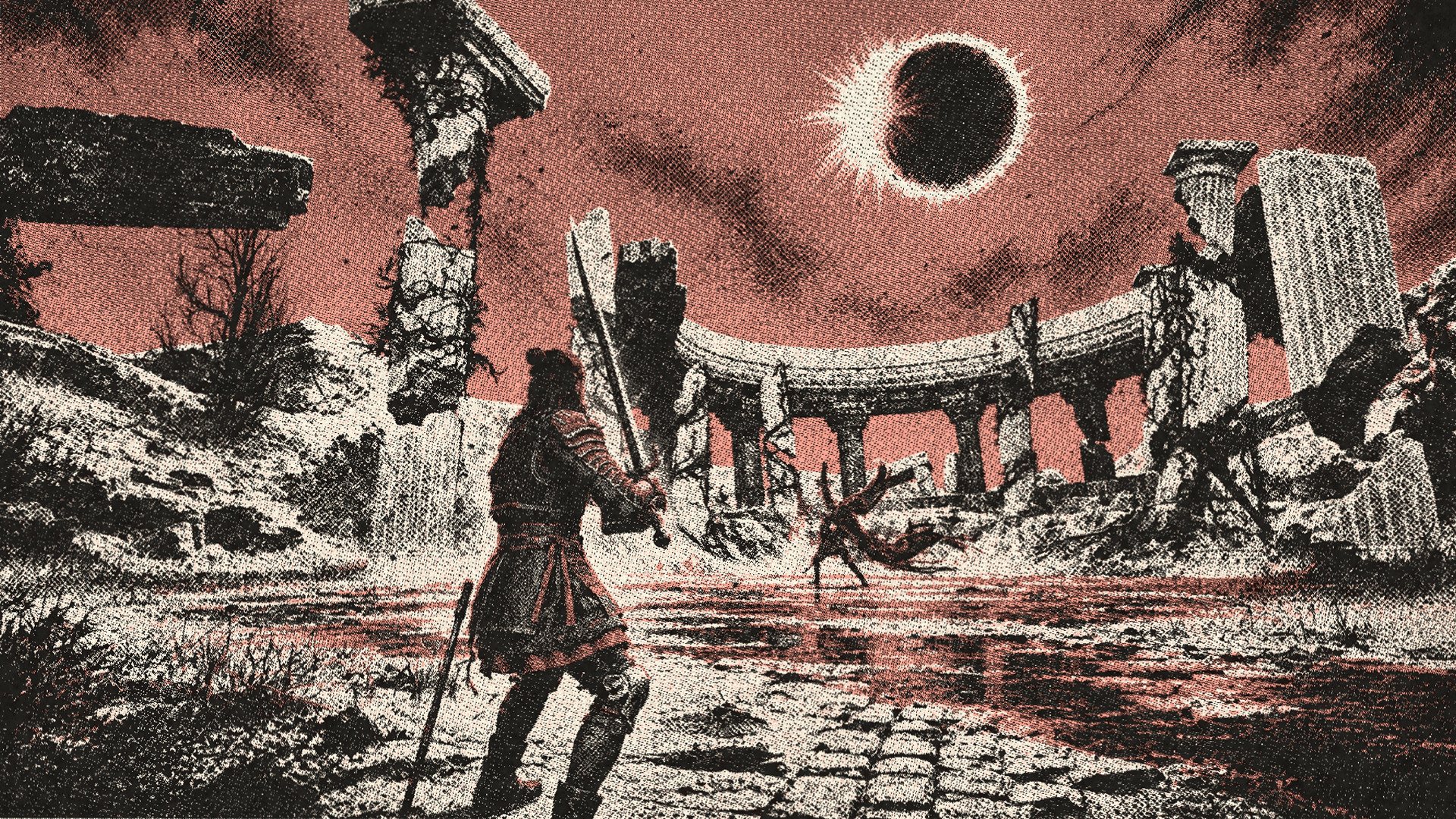
“The idea of Hell implies the existence of absolutes—good, evil, and a god who cares. But it’s all a lie. Fairy tales that people tell one another to keep their sanity.”
This is what the hero and the villain have in common: the fear of dissolving forever and losing everything one possesses—memories. Our life is nothing more than a memory to which we cling with all our might.
Brave at Heart
“I wish I could reverse my actions, but now it’s too late. I’m sorry.”
The existence of the game and our stories within it is a consequence of our unwillingness to see evil for what it is: our own idea of what life should be like. Therefore, to finish everything before it even begins. When we see the enemy for who he is, the enemy disappears. When we see death for what it is—without escaping into religious texts, entertainment, and heroism—then death disappears.
We have been unwilling to let go of the memory that binds us here—a memory that keeps its own game in motion, ensuring it remains at the very center of our attention. We have simply never been willing to invite death, even once, as an honored guest.

Write a comment