Stance
Check out more from this issue and find your next story to read.
The Atlantic covers news, politics, culture, technology, health, and more, through its articles, podcasts, videos, and flagship magazine.
Check out more from this issue and find your next story to read.
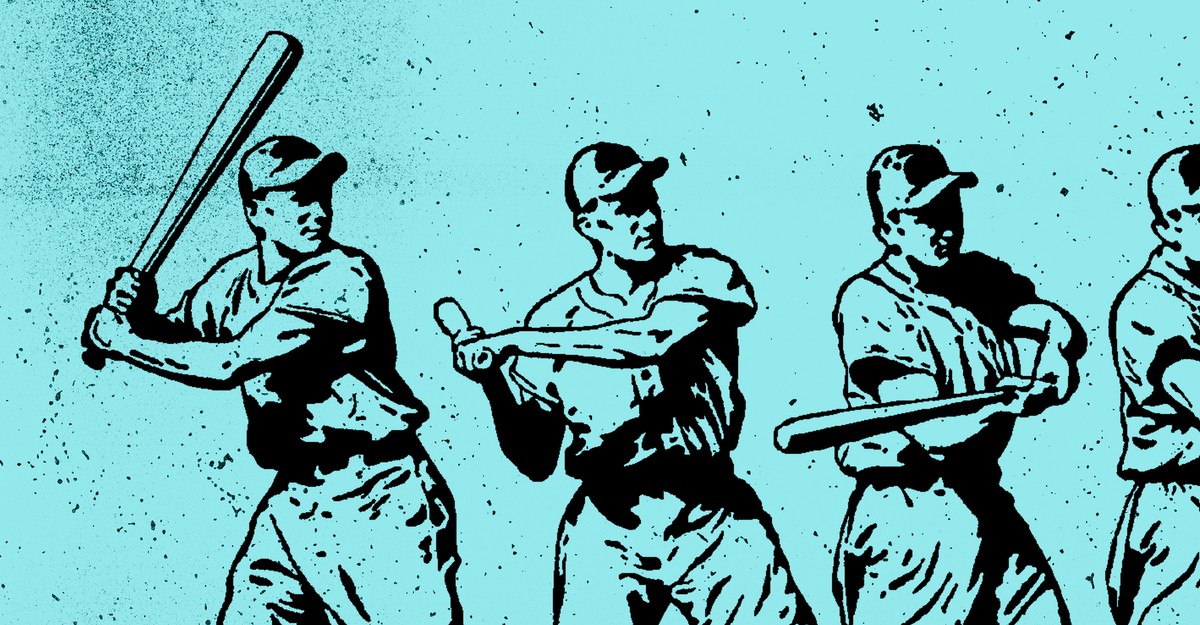
The country’s most beloved men are paragons of diversity, but ethnic resentment is still winning.

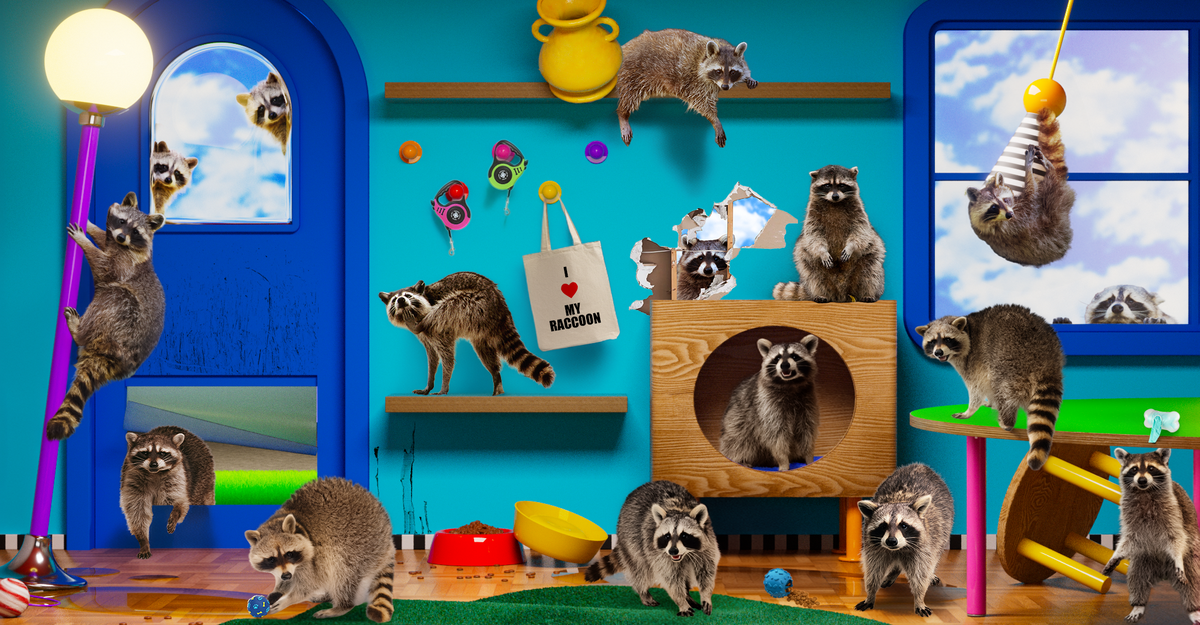
The myth and science of the country’s favorite floofy, fluffy cuddle-badgers
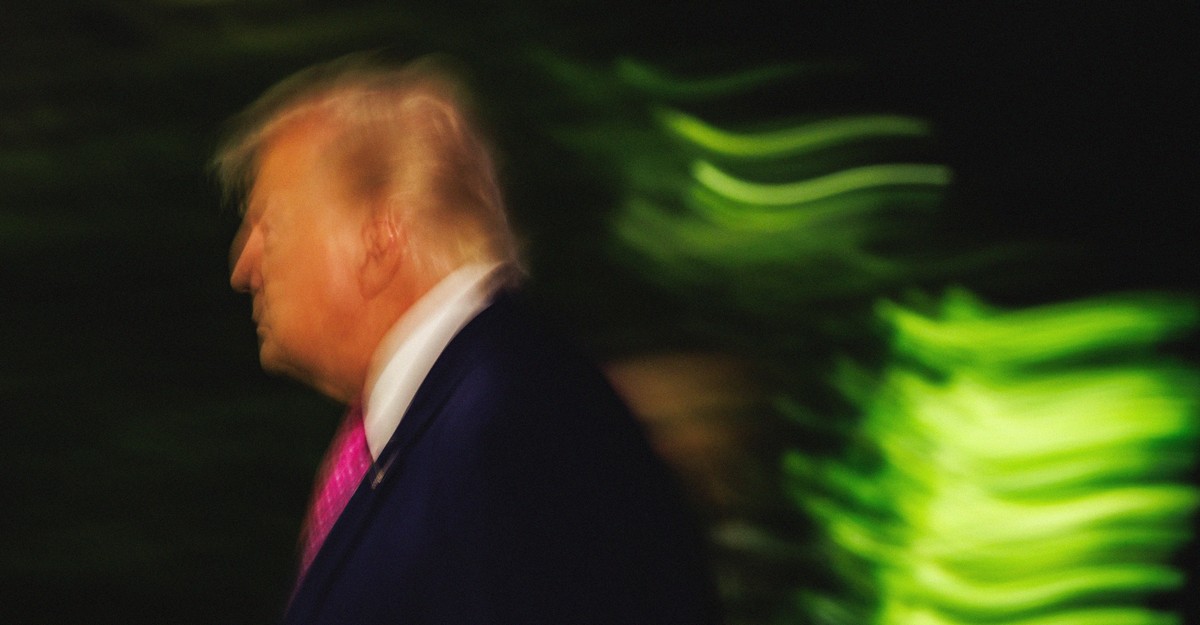
The scandals of the president’s first term now seem quaint.
An inside look at music’s widely misunderstood profession
The country Trump once disdained as a burden has become a military powerhouse.
In the early years, weekend adventures with my daughter followed a script: a park, a pet store, a local bakery or maybe somewhere for lunch. We’d do it every Saturday, on and on. Now my daughter is nearly 9, and the tone and tenor of our routine have changed. The music we listen to matters more—she’s gone from wanting “Baby Shark” to having strong opinions about how Kurt Cobain kind of sounds like a loud, angry version of the Beatles. We still go to bakeries (this is a topic on which we fundamentally agree as father and child), but now we can also talk about what we enjoy at them (both the pastries and the fact that we’re supporting small businesses in the city we love).
A growing number of internet dating sites are relying on academic researchers to develop a new science of attraction. A firsthand report from the front lines of an unprecedented social experiment:
Making America healthy again, it seems, starts with a double cheeseburger and fries. Earlier this month, Health Secretary Robert F. Kennedy Jr. visited a Steak ’n Shake in Florida and shared a meal with Fox News’s Sean Hannity. The setting was no accident: Kennedy has praised the fast-food chain for switching its cooking oil from seed oil, which he falsely claims causes illness, to beef tallow. “People are raving about these french fries,” Kennedy said after eating one, before commending other restaurants that fry with beef tallow: Popeyes, Buffalo Wild Wings, Outback Steakhouse.

The tragedy of our exploding ghettos has historical roots in the false expectations of the Reconstruction era, and in the refusal of American citizens to sense the frustration and violence gathering in the slums.

Perhaps this was always how Trump’s ill-conceived war was destined to end.

His hiring is part of a dangerous trend in the Trump administration.

Avoiding vulnerability comes with ghastly consequences.
Alabama gambled on the Court’s partisanship, and won.
How influencers, podcasts, and AI are rewriting the rules of political campaigns
He is about to take SpaceX public—pushing other AI companies to do the same.

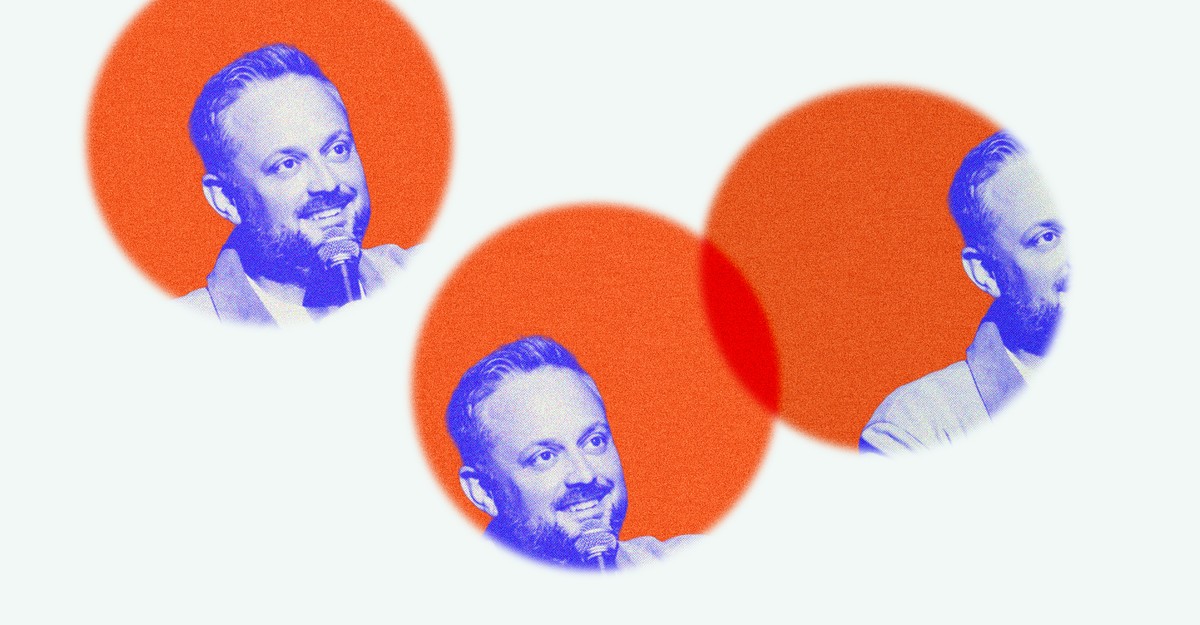
The comedian Nate Bargatze is an indisputably titanic name in his field. He’s been the top-grossing stand-up in America for two years in a row, he hosted last year’s Emmys (albeit to mixed reviews), and he’s even planning on opening a theme park called Nateland in his hometown of Nashville. Consequently, there was every reason to think that his new movie, The Breadwinner, would break through with audiences; it’s a breezy comedy aimed squarely at families, ostensibly filling an underserved part of the market. But the film has been roundly dismissed by critics and theatergoers, basically disappearing from the box office after opening last week. Bargatze’s first effort as a leading man, it seems, is yet another reminder that even the country’s biggest performers might not be able to make a comedy into a theatrical hit anymore.
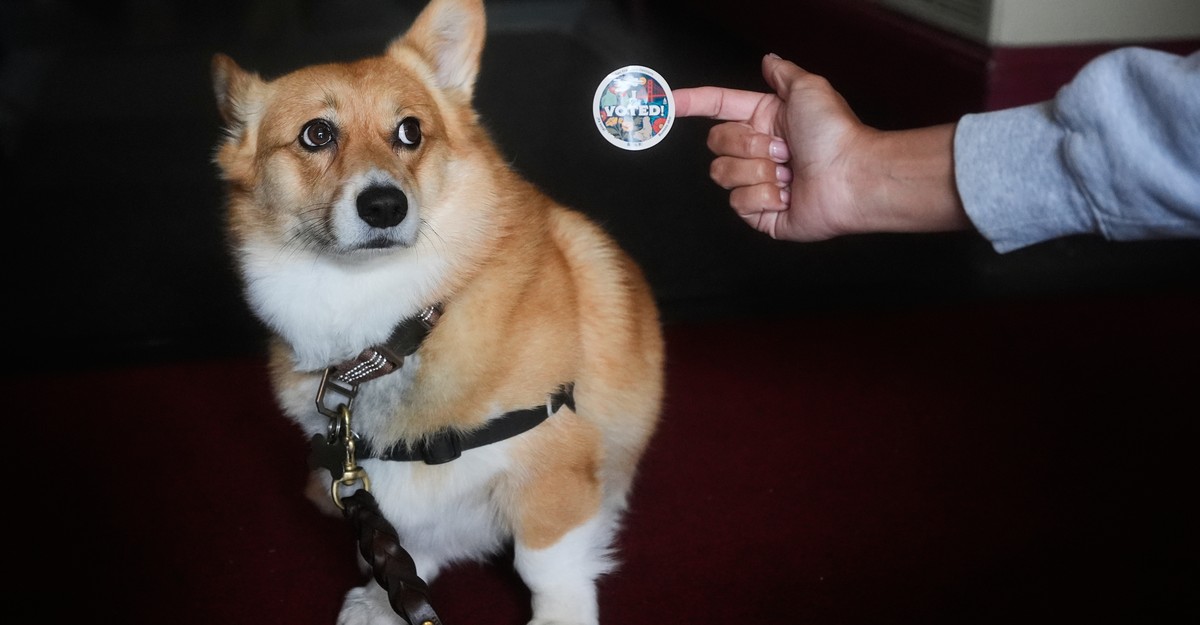
Consciousness separates us from machines. Need convincing? Just take a good look at a faithful canine.

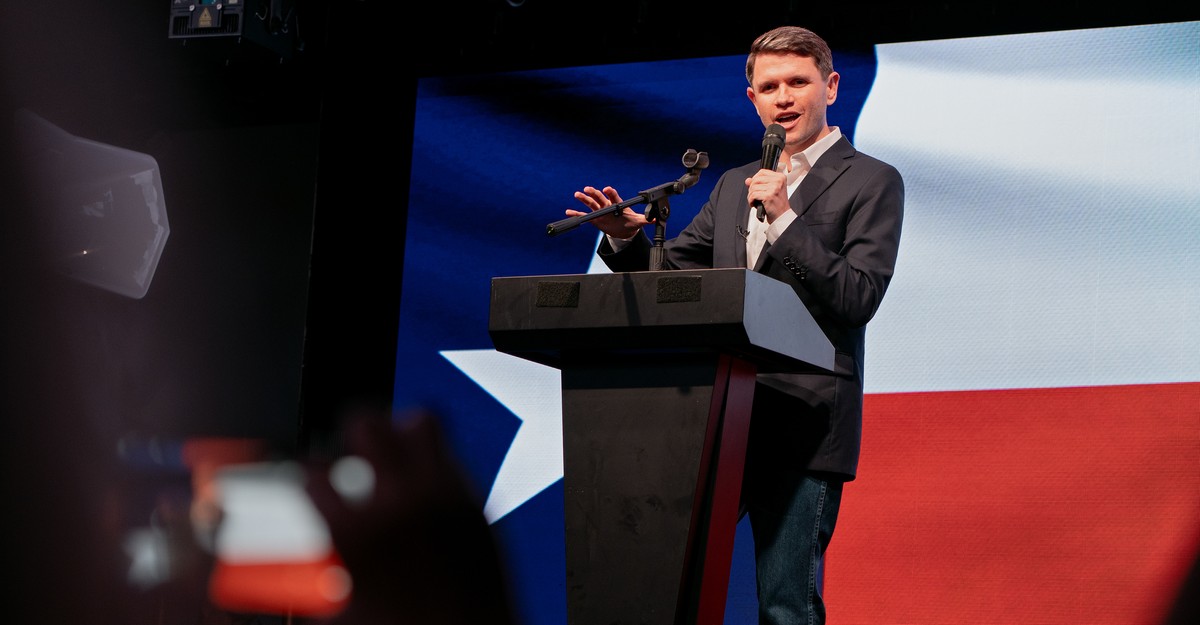
Attacks on the Democratic Senate candidate in Texas show the GOP’s narrow, anxious definition of masculinity.
A pink-soup festival in Lithuania, wild horses in Germany, a volcanic eruption in Indonesia, a gathering of Marilyn Monroe look-alikes in California, and much more