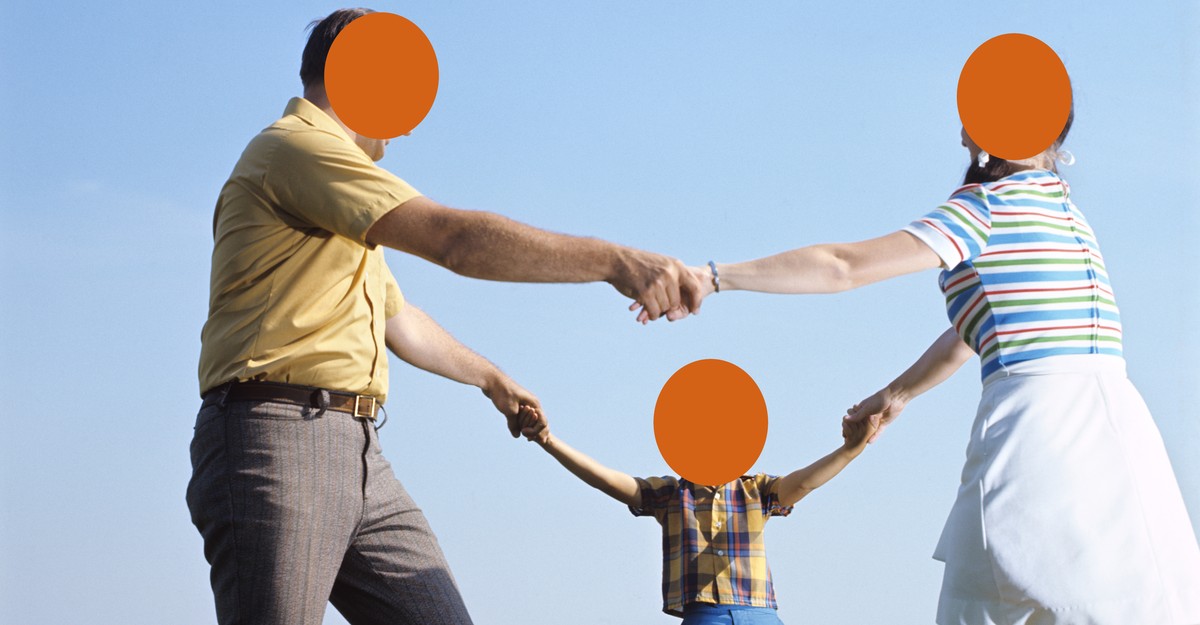
Why Are People Weird About Only Children?
“Onlies” don’t seem to be any worse off than kids with siblings. So why do stereotypes about them persist?
The Atlantic covers news, politics, culture, technology, health, and more, through its articles, podcasts, videos, and flagship magazine.
“Onlies” don’t seem to be any worse off than kids with siblings. So why do stereotypes about them persist?
Just a few hours of therapy-like interventions can reduce some people’s anxiety.
I was as vapour in the blue airs of summer and knew no bounds. — Simone de Beauvoir

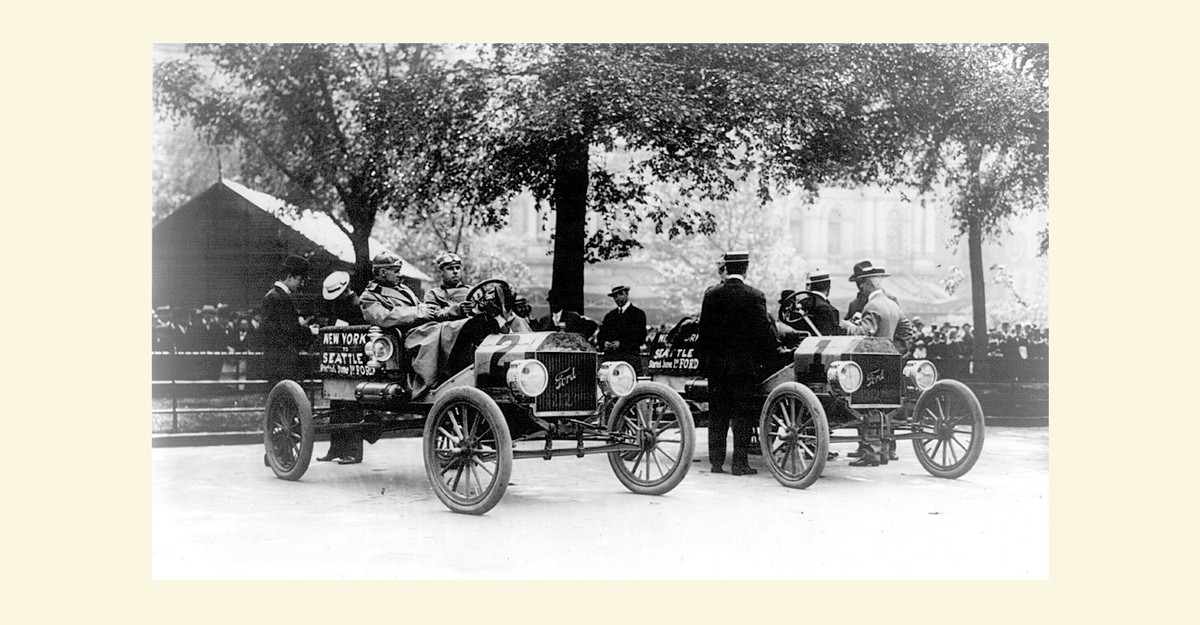
At the dawn of the automobile age, four teams set out to test the limits of their machines—and of human endurance.
The president has turned a solemn occasion into a Day of Trump.

The nation’s welcome mats have been doing a lot less welcoming lately. Although Americans have been spending much more time at home in recent years—an hour and 39 minutes more a day in 2022 than in 2003—they aren’t inviting other people in. The percentage of people who hosted or attended a social event on an average day has fallen by 50 percent over the past couple of decades. Socializing of any kind declined over that same period, and isolation rose. These days, it seems, home is where people go to be alone.

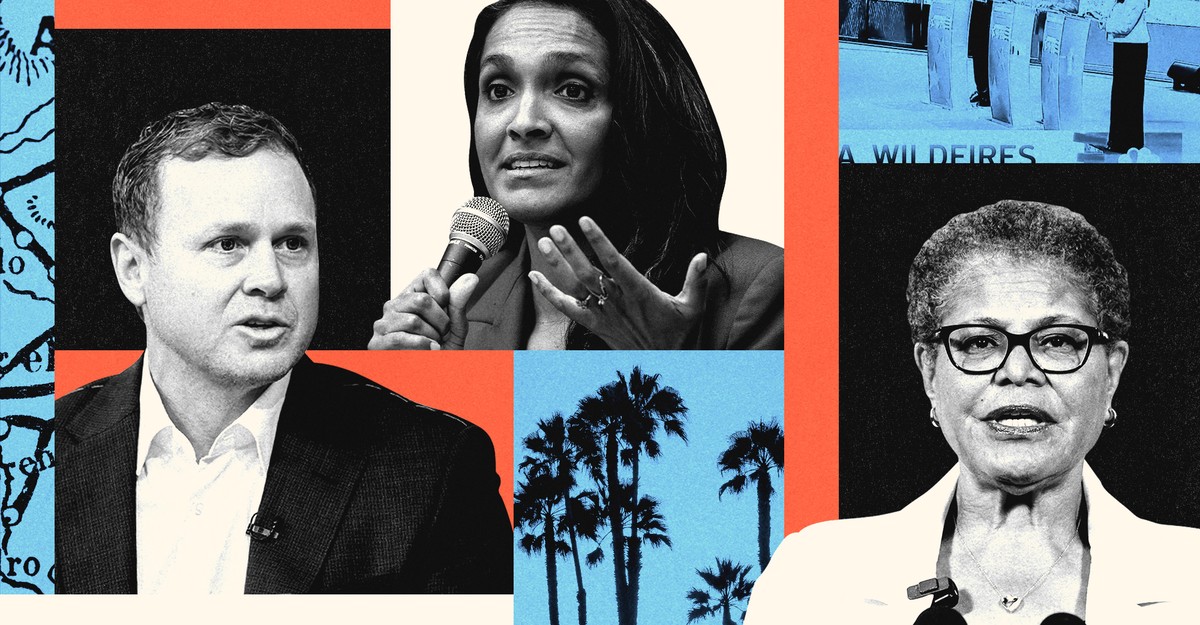
The mayoral race is a staging ground for three of the most unfortunate tendencies in American politics.
A new Broadway play about Roald Dahl and his prejudice captures uncomfortable truths.

Louisiana Republicans erased a majority-Black congressional district.
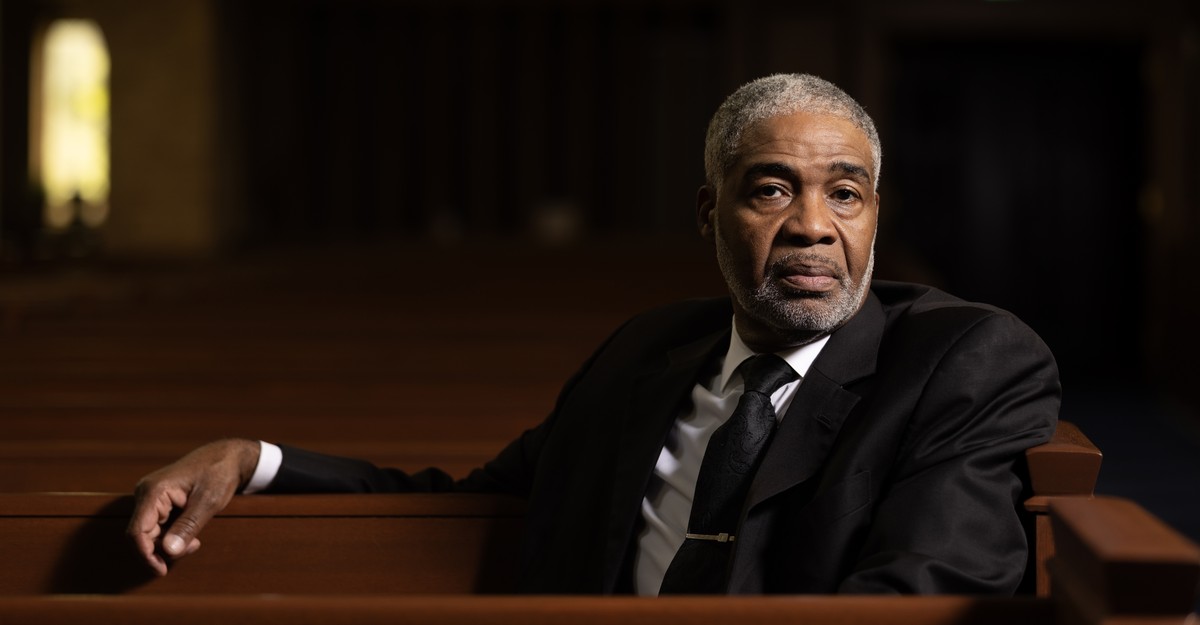
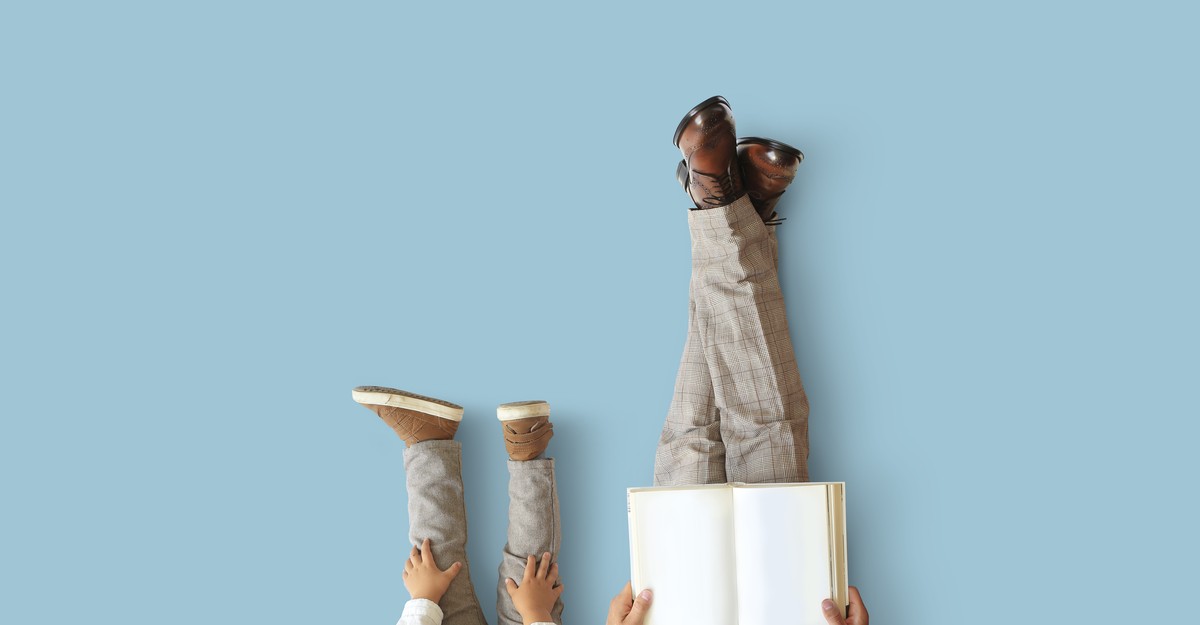
Some stories are worth revisiting at every stage of life.
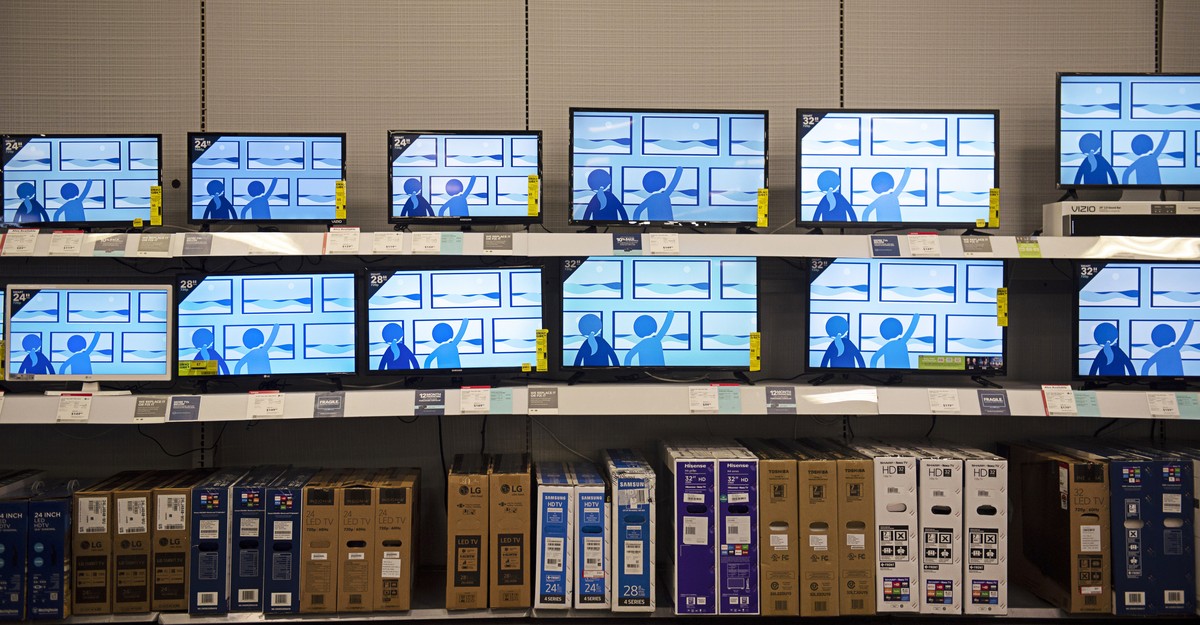
Screens have gotten inexpensive—and they’re watching you back.
A growing body of research has documented the health risks of getting certain breeds fixed early—so why aren’t shelters changing their policies?

Even the most close-knit families can leave important subjects unspoken.

A discussion on the state of negotiations in Iran, what the future may hold for Ukraine, the U.S.’s relationship with Cuba, and more
The National Science Foundation division that covers social, behavioral, and economic sciences is in the crosshairs.
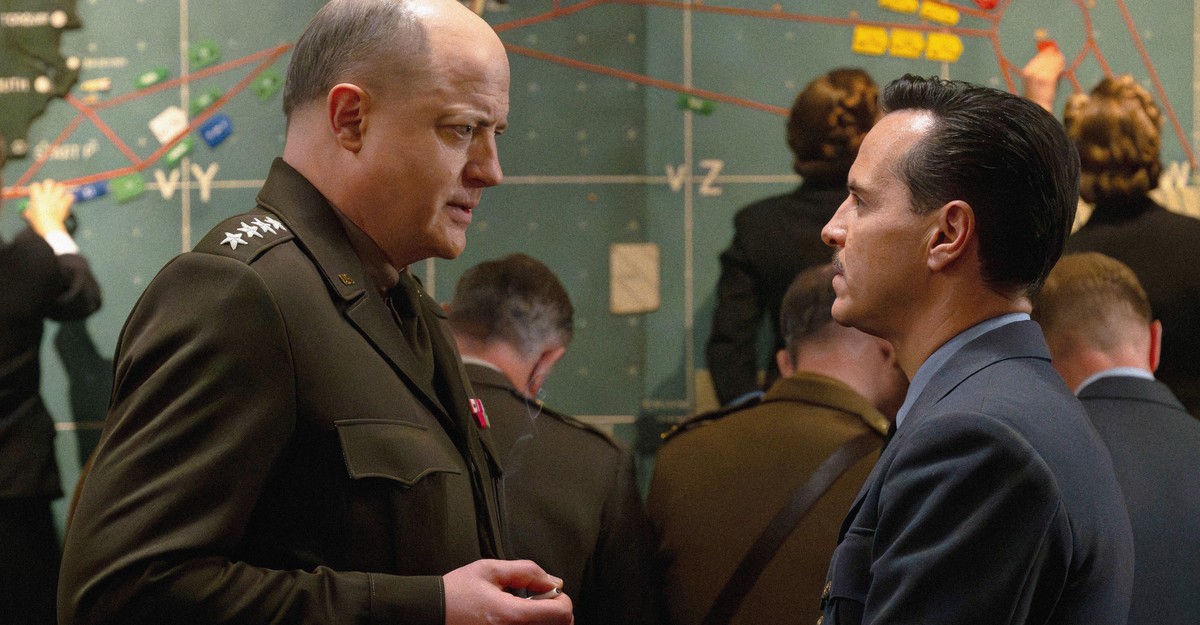
The new film Pressure offers a freshly suspenseful take on D-Day.
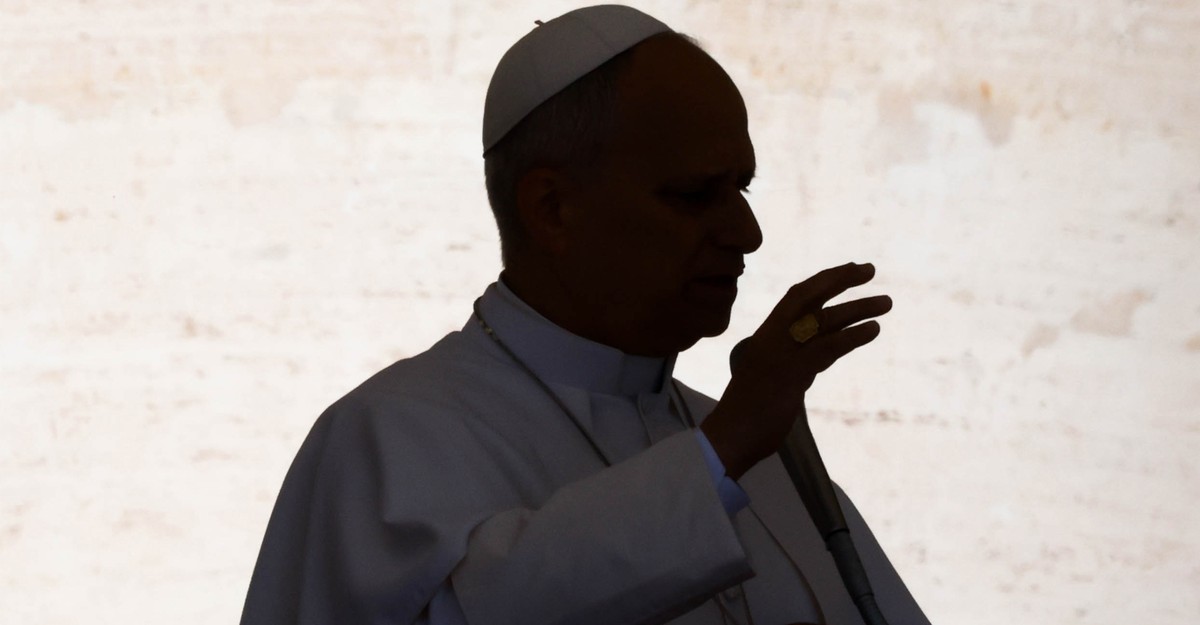
Leo’s new encyclical challenges much more than Big Tech.
AI-detection tools are getting better. But they still aren’t good enough.
Back in the web-traffic-obsessed days of 2018, at a time of dawning awareness of how easily audiences online could be manipulated and spoofed by bots, the writer Max Read argued that the internet had crossed a threshold known as “the Inversion.” Not only had bots proliferated across the internet; they had come to constitute it. In outnumbering humans, bots were also loosening everyone’s grasp on the very reality of online experience. “What’s gone from the internet, after all, isn’t ‘truth,’ but trust: the sense that the people and things we encounter are what they represent themselves to be,” Read wrote.
“Boy crazy” was what people called it. “She was so boy crazy,” I would hear about my girlfriends. I never heard the reverse, that a boy was “girl crazy.” Girls having crushes, sneaking out at night to have fun: It seems innocent enough. But in my small, conservative town, a “wrong” choice at a young age could cut girls off from their future dreams, leaving them mired in despair.