The Blue-State Delusion Over Unions
What are public-sector unions for, exactly? What problem are they supposed to solve? That’s the question I found myself asking earlier this month, when the best-paid railroad workers in America went on strike for three days.
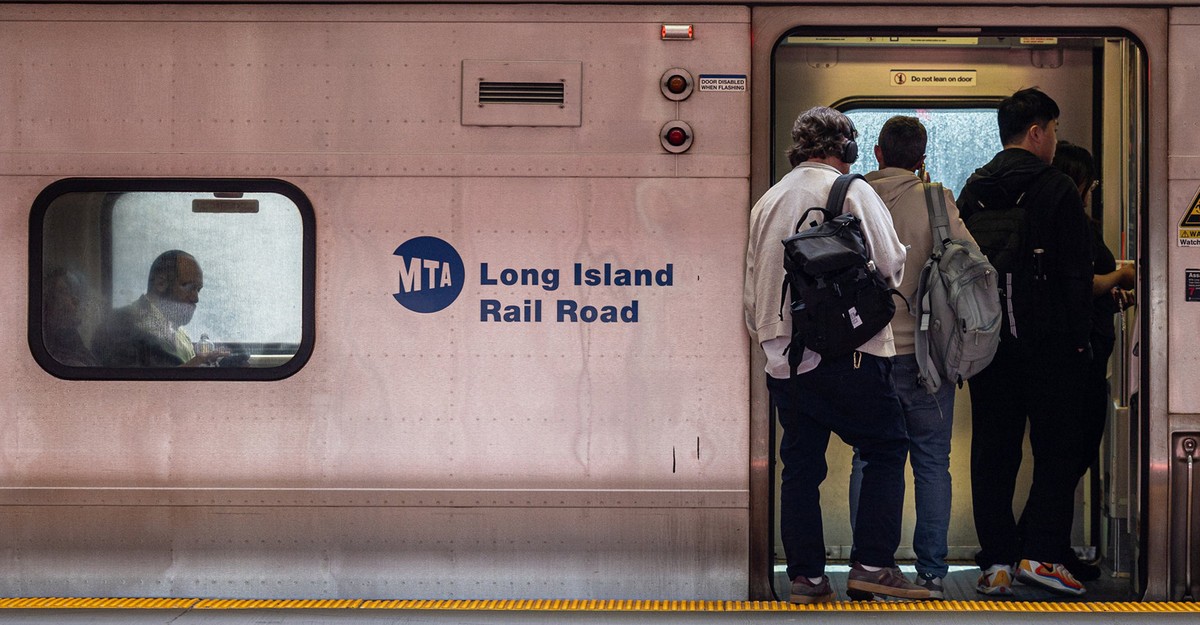
The Blue-State Delusion Over Unions Public-sector unions, exemplified by the Long Island Rail Road, prioritize member compensation and benefits, often at the expense of taxpayers and commuters. Research suggests these unions can degrade public sector efficiency and effectiveness, leading to issues in schools and policing. Reforms to collective-bargaining laws are proposed to align union incentives with the public interest.
- Public-sector unions, such as those representing Long Island Rail Road workers, focus on maximizing benefits for their members, leading to high salaries and generous pensions.
- Taxpayers and commuters ultimately fund these compensation packages, raising questions about the fairness and efficiency of public services.
- Research indicates that teachers’ unions often increase school spending without improving student outcomes, and police unions may correlate with increased misconduct.
- Proposed reforms involve limiting the scope of what is bargainable in collective bargaining, focusing negotiations on base wages rather than overtime, pensions, and work rules.
- Reforming collective-bargaining laws could better align union goals with the public interest, ensuring high-quality and cost-effective public services.
Write a comment