A ‘Promising Democracy’ That Can’t Stop Fighting Itself
In 1950, The Atlantic had a warning for Colombia. Now, ahead of its election, that same warning is relevant once more.
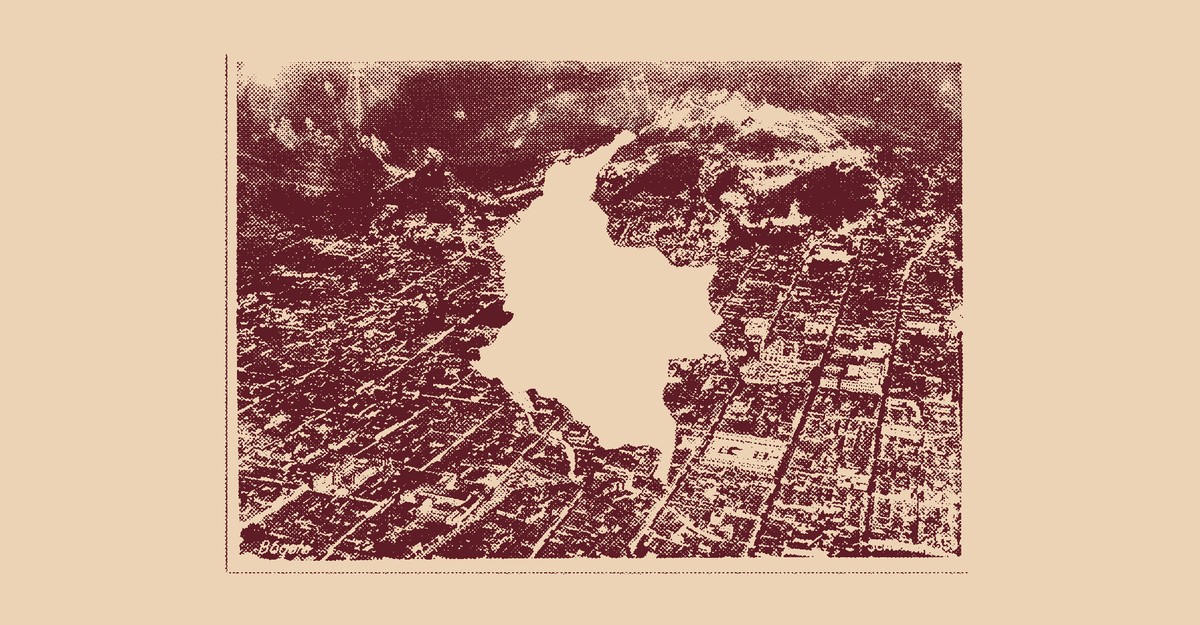
A ‘Promising Democracy’ That Can’t Stop Fighting Itself Colombia is experiencing a period of political unrest and violence reminiscent of the 1948 Bogotazo, as it approaches a critical election to succeed President Gustavo Petro. The election is largely a referendum on Petro’s faltering ‘total peace’ strategy, with candidates divided on whether to pursue negotiations with armed groups or opt for a stronger military response. Despite some urban stability, armed factions, including FARC dissidents and the ELN, continue to exert influence through violence, particularly in rural areas, threatening democratic participation.
- The current Colombian election mirrors the political tensions and violence of 1948, triggered by the assassination of Jorge Eliécer Gaitán.
- President Petro’s ‘total peace’ initiative has stalled, with negotiations suspended with the ELN following an offensive.
- The election debate centers on whether to continue peace negotiations or restore security through military force, reflecting deep divisions.
- Deteriorating security, with bombings and drone strikes by dissident FARC factions, highlights ongoing conflict in rural regions.
- Assassinations of political figures and campaign staff underscore the threats to democratic participation.
- Historical parallels are drawn to earlier periods of conflict and the challenges faced by Colombia’s democracy.
- Underlying issues of inequality and elite rule continue to fuel unrest.
Write a comment