Read a bouquet of yellow flowers fairy tale for kids
- What the story teaches
- How to calculate the activity budget
- How to save money without harming the meadow
- What children can discuss after reading
- Frequently asked questions
a bouquet of yellow flowers fairy tale for kids teaches children why rare wildflowers should remain in nature. The story also supports a low-cost classroom activity: children can read about Zhenya, identify the protected globeflowers, and create a warning sign without picking more plants.
The practical budget depends on materials already available at home or school. The story names plywood, an old shovel handle, oil paint, a shovel, paper, and drawing supplies. Since no prices are provided, a responsible cost estimate should count only items that must actually be purchased.
What the story teaches
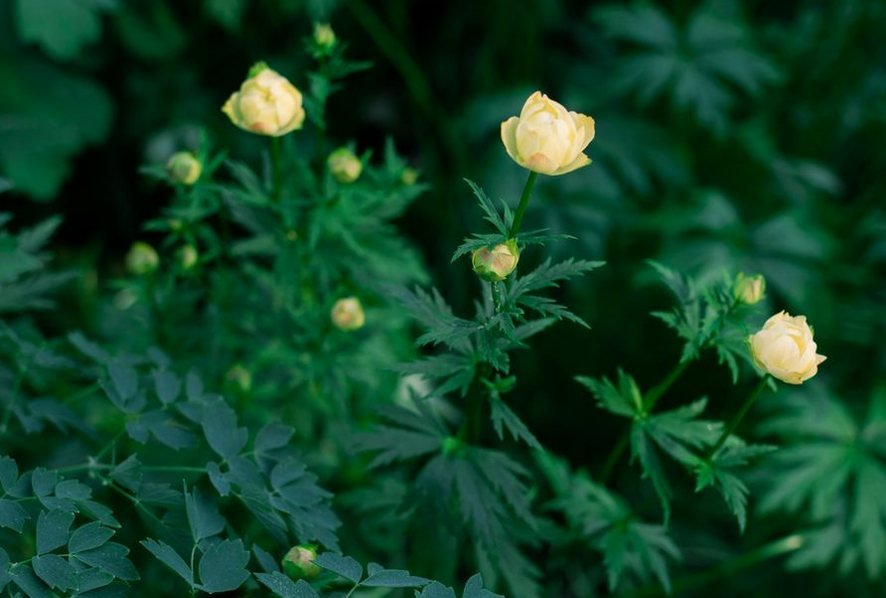
Zhenya visits her grandmother with her mother during an early summer holiday. Near a river, she sees bright yellow flowers whose round heads resemble the sun. She picks a large bouquet because she does not know that the flowers are rare.
Her mother explains that globeflowers are listed in the Red Book of their region. The Red Book contains information about endangered plants and animals, along with measures intended to protect them. The lesson is direct: a beautiful flower may look common while still needing protection.
After learning the rule, Zhenya helps create a sign showing a globeflower and explaining that the plant is protected. The family places the sign near the remaining bushes. This changes the activity from collecting flowers to protecting their habitat.
How to calculate the activity budget
Begin with an inventory rather than a shopping list. Grandmother’s shed already contains a piece of plywood and an old shovel handle, while the family also has oil paint and a shovel. Those supplies reduce the cash cost to zero for the items already available.
- Use the existing plywood if it is clean, stable, and large enough for a clear drawing.
- Reuse the old shovel handle as a support, provided it is not rotten or dangerously sharp.
- Check the paint before buying more. A small amount of suitable oil paint may cover the sign.
- Count only missing items, such as brushes, fasteners, protective gloves, or a replacement support.
- Include transport costs if the family must travel to the meadow by car or public transport.
The basic calculation is simple. Add the price of replacement materials, any transport expense, and necessary protective equipment. Do not assign a made-up value to supplies found in the shed, because that would distort the real budget.
A school version may cost more if every child needs paper, colored pencils, or paint. A shared demonstration sign usually costs less than individual wooden signs. It also reduces the risk of leaving several unstable objects near the plants.
How to save money without harming the meadow
The safest saving measure is prevention. Children should observe the flowers, sketch them, or photograph them with an adult instead of picking specimens. This avoids damage and removes the need to create replacement displays from living plants.
Use a reusable sign when the material can withstand outdoor conditions. Before installing it, an adult should check whether placing a marker there is acceptable. A sign should not crush roots, block the path, or disturb the surrounding soil.
Do not turn the activity into an unsupervised construction project. Zhenya and her mother work together, and that detail matters. An adult can carry the shovel, inspect the support, choose a safe location, and make sure children stay within sight near the river and forest edge.
The story does not provide a legal fee, permit price, or fixed tariff for placing signs. Those details depend on the local rules for the protected area. Families should ask the responsible local authority before installing a permanent marker, especially if the meadow lies inside a protected site.
What children can discuss after reading
Ask why Zhenya picked the flowers, what information she lacked, and how her decision changed after the explanation. Children can compare a bouquet in a vase with a living group of flowers in a meadow.
They can also draw a safer alternative to the original bouquet. One option is a paper arrangement made from yellow sheets, while the real globeflowers remain untouched. This keeps the visual idea of the story and avoids encouraging children to collect protected plants.
Frequently asked questions
What are the yellow flowers in the story?
They are globeflowers, described as rare in the region and listed in its Red Book. The story does not provide a scientific species name.
How much does the sign cost?
The source gives no prices. The cost depends on which materials the family already owns and which items need replacement or purchase.
Can children pick similar wildflowers?
They should first ask an adult and check local protection rules. If the plant cannot be identified confidently, observing or photographing it is safer than picking it.
What is the most economical activity?
Read the story, draw the globeflower, and make a paper sign using existing supplies. This teaches the conservation lesson without disturbing the meadow.
Write a comment