What Makes a Truly Great Movie?
Murakami writes in Norwegian Wood that he loves The Great Gatsby. How much does he love it? So much that he doesn’t even want to share it with anyone else.
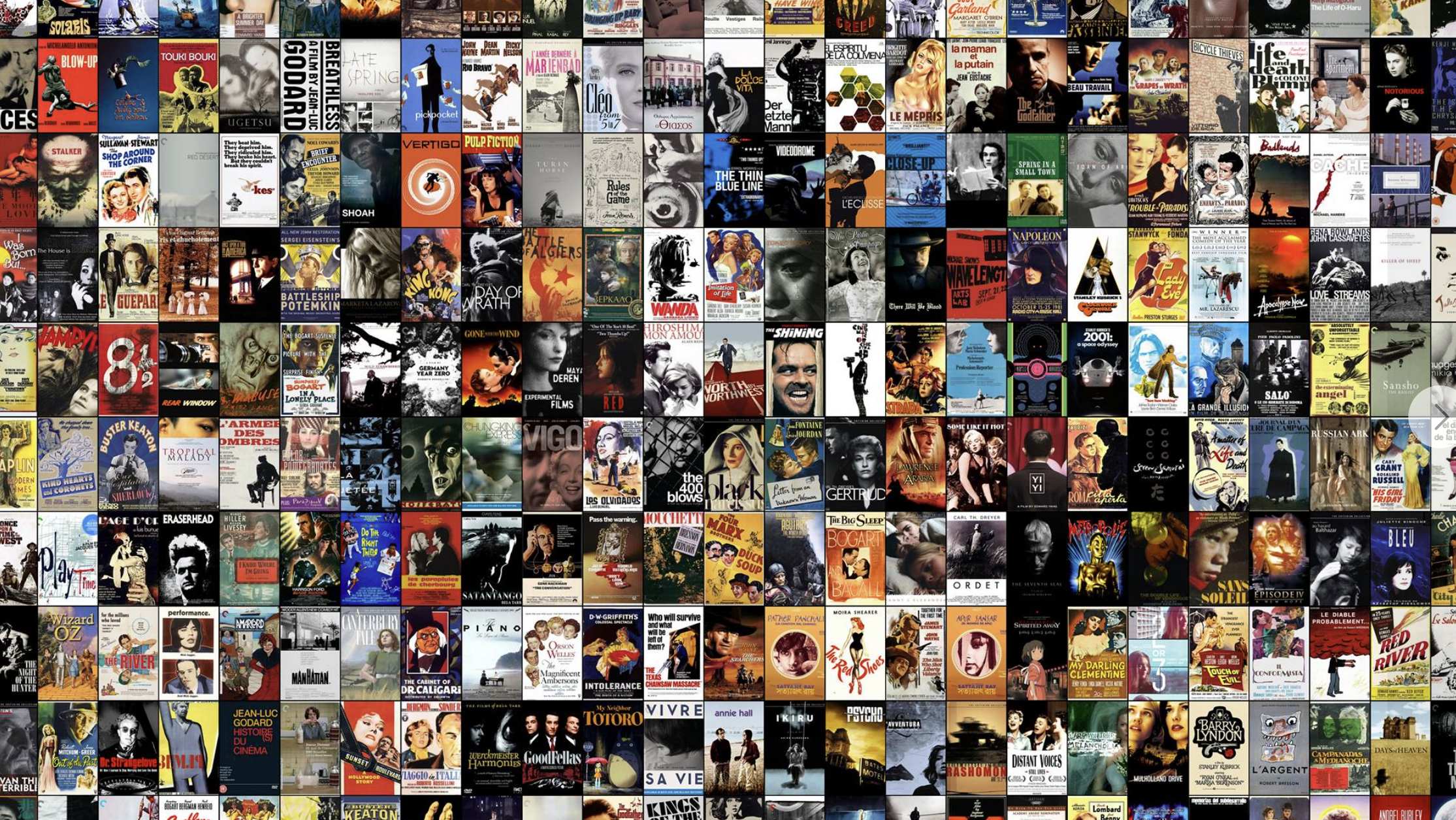
- People who love movies often debate, “What exactly makes a good movie?
- Structure is the lifeblood.
- Strong storytelling is the backbone.
- Resonance is the heart, the flourish, the final elevation.

People who love movies often debate, “What exactly makes a good movie?
Film as an art form is deeply subjective. One person might be dazzled by vibrant colors and impressive special effects, while another might find more cinematic quality in classic black-and-white. There’s no definitive answer. From my perspective, a good movie is one with a solid structure, strong storytelling, and the ability to resonate with me.

Structure is the lifeblood.
A weak ending, a disjointed middle, or a muddled theme—it just doesn’t work. Flashbacks, non-linear timelines, or montage techniques are seasonings meant to enhance structure, not overpower it. Long takes, stunning effects, innovative camera work—if the structure isn’t solid, it’s all just empty spectacle. That rare storytelling ideal where everything feels loosely arranged yet perfectly cohesive? You don’t see that every day.

Strong storytelling is the backbone.
A good film is built on one or more solid stories. Themes like humanity, ethics, social values, kindness, beauty, and philosophy come to life through each character’s journey. Together, these characters and their stories form a complete narrative. The story might be simple and quiet, epic and intense, wildly imaginative, or follow a traditional formula. Whatever the approach, it needs that essential “watchability” factor—that’s what makes a strong story. And if it can avoid preaching, conveying the creator’s message in a way that feels as natural as casual conversation, all the better. It’s like classic stand-up, where comedians seem to just chat, but the real meaning shines through.

Resonance is the heart, the flourish, the final elevation.
It doesn’t work miracles—if a film’s structure is weak or its storytelling lacking, it’s unlikely to truly resonate. Sure, there might be brief moments of connection, but that’s as futile as debating “Is DC or Marvel stronger?” Creating resonance in film is one of those “mystical arts.” People’s lives, knowledge, and experiences vary endlessly, so the points of resonance are infinite. There’s no formula to measure it, yet it’s undeniably present in any great work. Those moments of joy, sadness, excitement, or shock—these emotional releases are the bridge between audience and film. When a movie has solid structure, strong storytelling, and can create real resonance, it doesn’t just improve the work; it can elevate its entire theme.

Films like The Godfather—the ones you can revisit at different stages of life and discover something new each time—are rare gems in film history.

Putting aside this long-winded discussion, here’s the simple takeaway:
- If you watch a movie and feel like it’s telling your own story, that’s a good movie.
- If scenes or lines keep replaying in your mind, that’s a good movie.
- If you finish it and suddenly feel hungry enough to get something to eat, that’s a good movie.
- If you finish it and want to keep it all to yourself, not even share it—that’s a truly great movie.
To put it simply, art is a deeply personal thing. Good art, in one way or another, reflects the most private parts of our own lives. Honestly, who in their right mind would casually go around talking about those personal things?
Murakami writes in Norwegian Wood that he loves The Great Gatsby. How much does he love it? So much that he doesn’t even want to share it with anyone else.


I think that the kind of movie you want to keep to yourself, that you don’t want to share
—That’s what truly great movie is.
Write a comment