Four Men Rescued From Flooded Cave in Laos
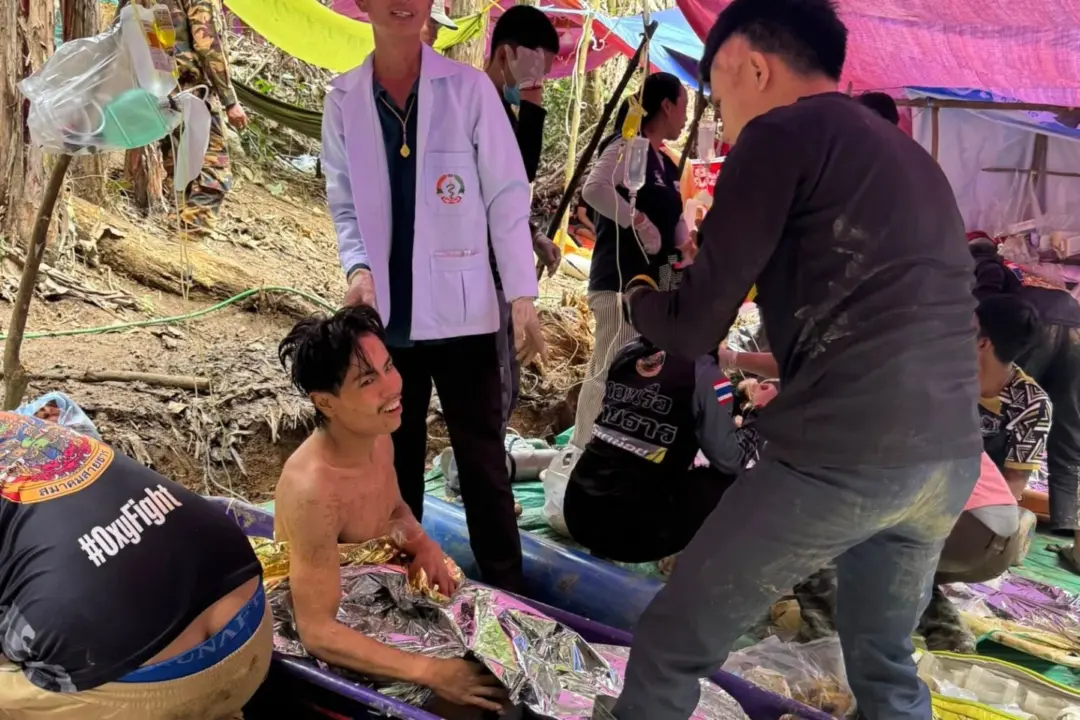
Four Men Rescued From Flooded Cave in Laos Rescue teams in Laos are being praised for pulling four men alive from a flooded cave after 10 days underground, even as the ordeal exposes deeper questions about safety, poverty, and risk-taking in one of Southeast Asia’s poorest countries.
Conservative-leaning outlets frame the episode as a straightforward tale of endurance and professional rescue work. The Washington Times emphasizes that “rescuers free 4 men who had been trapped in a flooded Laos cave, search for 2 still missing,” presenting the story largely as a successful emergency response with two men yet unaccounted for. The Epoch Times similarly highlights that four villagers were “safely evacuated” after being trapped by flash flooding while searching for valuable minerals, stressing the sequence of extractions and the continuing search rather than broader structural issues.
Liberal-leaning coverage adopts a more critical and contextual lens. The Guardian describes “four more men freed from [a] flooded Laos cave in [a] hazardous rescue mission,” underlining the physical dangers to rescuers navigating “muddy water and sharp rocks” as they push deeper into the cave for the missing men. CBS News explicitly identifies the group as gold miners and situates the rescue within the region’s monsoon patterns, noting that the men had spent “more than a week trapped in a flooded cave” and that receding water levels, after days of largely ineffective pumping, finally allowed their extraction.
Where conservative narratives center on the drama and technical success of the rescue itself, liberal outlets zoom out to connect the incident to hazardous, low-paid mineral work and climate-driven flooding. Both sides, however, converge on the same core facts: a weekslong, high-risk operation, images of survivors on stretchers with oxygen masks and foil blankets, and the unresolved fate of two missing men. The contrast lies less in what happened than in what it is taken to mean—either a rescue well executed, or a symptom of deeper economic and environmental vulnerability.
Write a comment