DOJ Expands Indictment Against Southern Poverty Law Center
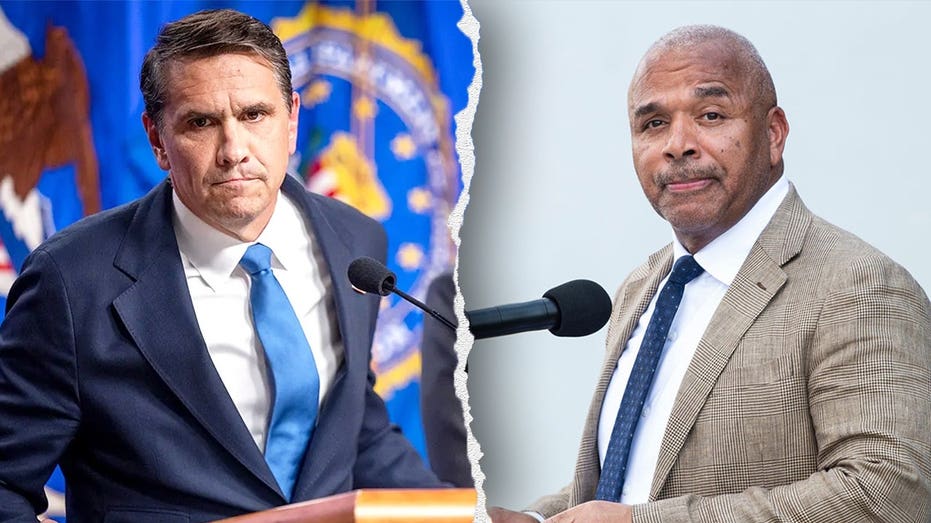
DOJ Expands Indictment Against Southern Poverty Law Center Federal prosecutors and a prominent civil-rights nonprofit are presenting starkly different narratives about the same set of explosive facts: millions of dollars in donor funds routed to people inside hate groups, and whether that was a lifesaving covert operation or a years-long fraud.
What the DOJ alleges
Both liberal and conservative-leaning outlets agree on the core legal claims. A federal grand jury in Alabama has returned a superseding indictment keeping 11 counts against the Southern Poverty Law Center (SPLC), including wire fraud, bank fraud, and conspiracy to commit money laundering. Prosecutors say the group used roughly $4.1 million in tax‑exempt donations to pay informants embedded in extremist organizations, including the Ku Klux Klan and other racist groups, while hiding the practice from donors and banks.
Conservative coverage emphasizes the scope and secrecy. The Justice Department says the SPLC “secretly funneled” more than $3 million between 2014 and 2023 to individuals tied to the KKK, United Klans of America, the National Socialist Movement, Unite the Right participants, and an Aryan Nations‑affiliated biker gang, often through bank accounts linked to fictitious entities.
How the SPLC and allies respond
Liberal-leaning reporting foregrounds the SPLC’s contention that this is about tactics, not theft. The organization pleaded not guilty and has moved to dismiss the case as “an unlawful vindictive prosecution.” Its attorney Abbe Lowell argues that “the SPLC did not lie to its donors, it did not mislead banks it did business with, and its informant program prevented violence and saved lives.”
Competing frames, shared gaps
Conservative narratives stress the irony of a hate‑group watchdog whose paid sources allegedly “engaged in the active promotion of racist groups at the same time that the SPLC was denouncing the same groups on its website,” framing it as a betrayal of donors and mission. Liberal accounts, while acknowledging the same alleged dollar amounts and charges, focus more on prosecutorial conduct and the risk of chilling aggressive monitoring of extremists.
Both sides rely on a superseding indictment that was not yet publicly filed at the time of reporting, leaving key evidentiary details—and whether this is a policing‑the‑policers overreach or a genuine corruption scandal—to be tested in court rather than in partisan narratives.
Write a comment