Trump Signs Executive Order on AI Safety
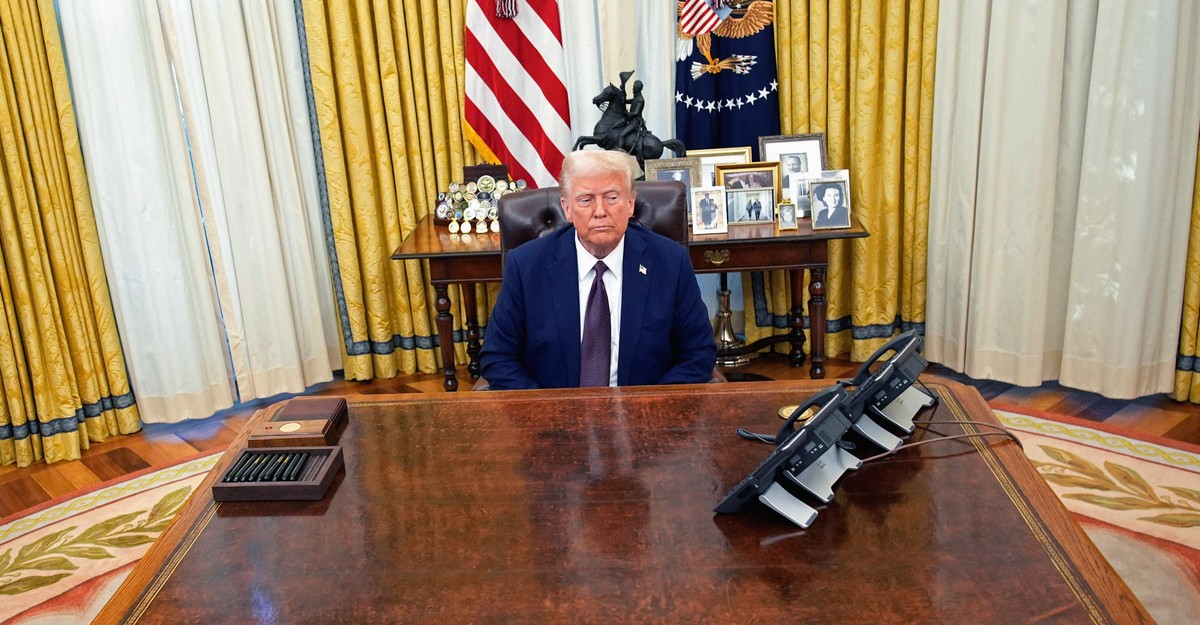
Trump Signs Executive Order on AI Safety President Trump’s new executive order on artificial intelligence tries to promise maximum innovation with minimal regulation, but the two political camps read the same document in strikingly different ways.
Liberal-leaning outlets frame the order as largely symbolic and riddled with contradictions. CBS News highlights that the measure merely sets up a program for companies to “voluntarily share powerful new models with the government before they are released to the public,” stressing that it explicitly rejects “overly burdensome regulation.” The Atlantic goes further, casting the move as the latest reversal in a months‑long pattern in which Trump first killed a more ambitious AI order over fears it might “get in the way” of U.S. leadership, only to now embrace a nearly identical voluntary framework. That outlet argues the order “effectively formalizes what has already been happening” between government and major AI labs, describing it as “relatively toothless” even while acknowledging it’s at least “something—anything—about AI.”
Conservative coverage, by contrast, treats the same voluntariness as a feature, not a flaw. The Washington Times presents the order as a way to “promot[e] artificial intelligence and doubl[e] down on cybersecurity efforts” through voluntary pre‑release testing, underscoring that the signing was done “quietly” after an earlier, more public ceremony was postponed. This framing aligns with Trump’s own language in the order, which celebrates that the U.S. leads in AI because it “refuse[s] to stifle this innovation with overly burdensome regulation.”
Where liberals see inconsistency and regulatory timidity—continuity with Biden‑era voluntary agreements cloaked in anti‑regulation rhetoric—conservatives see a calibrated balance: industry‑friendly, light‑touch oversight aimed at national security. Both sides, however, implicitly agree on one point: the real power remains with big AI companies, whose cooperation is requested, not required.
Write a comment