Feds Discover Cocaine-Smuggling Tunnel Between US and Mexico
- What Happened
- Liberal Framing: Cartels’ Sophistication and Investigative Work
- Conservative Framing: Border Vulnerabilities and Criminal Tactics
- Where They Converge—and What’s Missing
Feds Discover Cocaine-Smuggling Tunnel Between US and Mexico Federal agents’ discovery of a 2,000-foot, cartel-linked cocaine tunnel under a fake discount store in San Diego is being framed either as a success of law enforcement or an indictment of U.S. border strategy—sometimes both at once.
What Happened
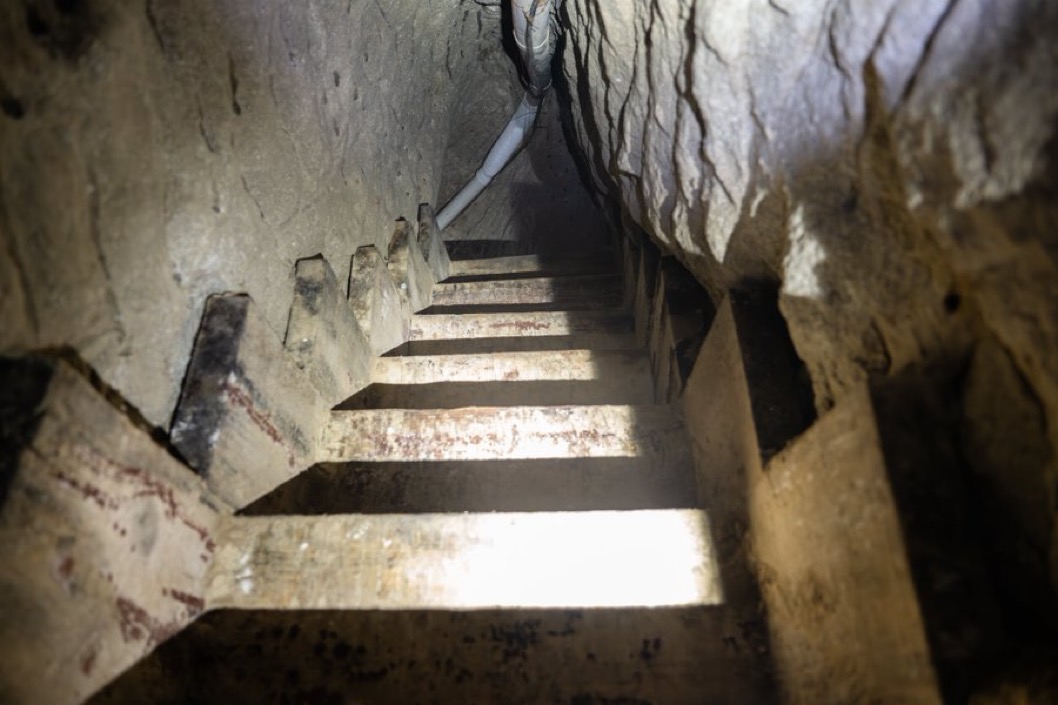
Across outlets, the core facts align: a sophisticated tunnel with electricity, ventilation, reinforced walls, and a rail system connected a sham “Buy 4 Less” storefront near the Otay Mesa Port of Entry to Tijuana, Mexico. Authorities seized over a ton of cocaine worth roughly $45 million and charged four suspects with federal drug distribution offenses.
Liberal Framing: Cartels’ Sophistication and Investigative Work
The liberal-leaning CBS account emphasizes the elaborate nature of the operation and the investigative surveillance that exposed it, underscoring the months-long probe into a “supposed discount store” whose activity “did not appear to be consistent with a normal retail location.” The piece highlights coordination between the Justice Department and Homeland Security’s Tunnel Task Force and presents the bust as a “significant blow to the Jalisco New Generation Cartel,” framing it largely as a story of methodical policing against transnational organized crime.
Conservative Framing: Border Vulnerabilities and Criminal Tactics
Conservative outlets retain the same core narrative but stress vulnerabilities at the southern border. The Washington Times spotlights that “Four [were] charged with smuggling cocaine via tunnel that connected fake San Diego storefront to Mexico,” implicitly pointing to how easily a bogus business can anchor a major smuggling route into the U.S.
The Epoch Times similarly foregrounds the federal response but stresses the scale of the threat, describing authorities charging suspects “after finding a hidden tunnel used by drug runners” and noting the ton-plus cocaine haul valued at $45 million. This framing aligns with broader conservative critiques that sophisticated tunnels show enforcement remains reactive and that physical border security and deterrence are still inadequate.
Where They Converge—and What’s Missing
All perspectives agree the tunnel’s discovery is a tactical win and a rare glimpse into the industrial scale of cartel smuggling. Yet while liberal coverage leans toward celebrating the investigation, and conservative coverage toward highlighting systemic border weakness, neither side deeply interrogates underlying U.S. cocaine demand or long-term strategy to reduce the incentives for such high-risk, high-reward tunnels.
Write a comment