Hezbollah Rejects US-Brokered Ceasefire Between Israel and Lebanon
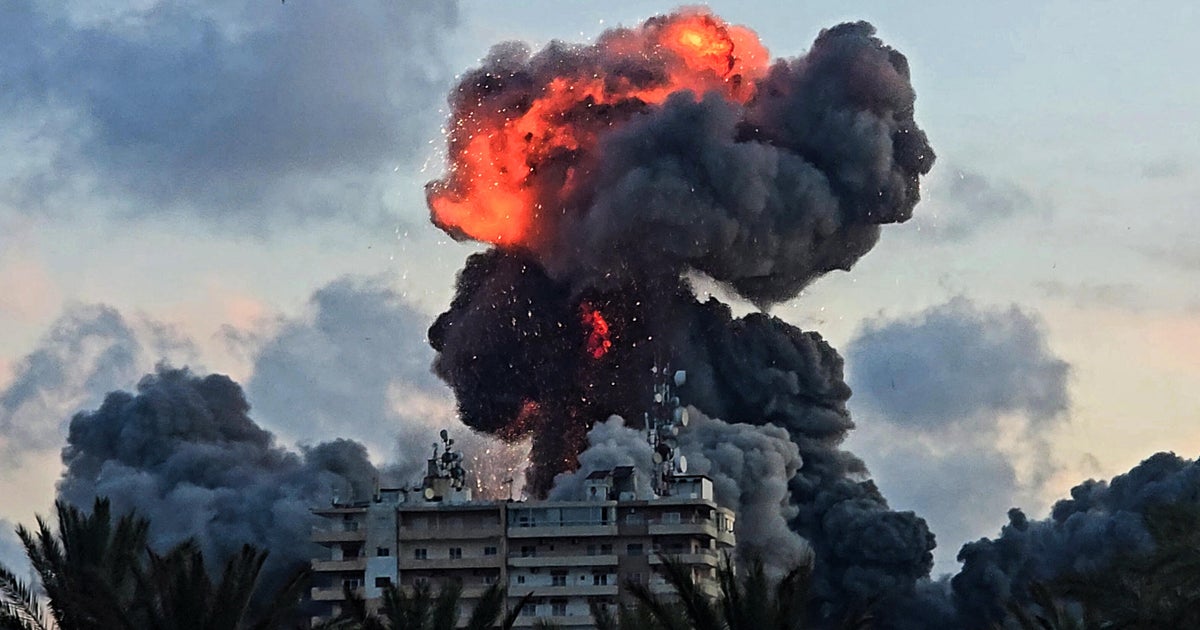
Hezbollah Rejects US-Brokered Ceasefire Between Israel and Lebanon A U.S.-brokered ceasefire between Israel and Lebanon is being sold as a diplomatic breakthrough, yet it rests on conditions that one of the main belligerents, Hezbollah, has already condemned and that Israel itself says it may not fully honor. The result is an agreement that exposes, rather than resolves, the core disputes on the ground.
Liberal-leaning outlets stress the deal’s fragility and its entanglement with wider regional diplomacy. The Guardian frames the question bluntly: “Is the Israel-Lebanon ceasefire over before it began?” Another report notes that the ceasefire is “contingent on a complete cessation of fire from the Iran-aligned Hezbollah militia and the evacuation of all its operatives from the country’s south,” along with creation of Lebanese army “pilot zones” excluding all non-state actors. CBS similarly highlights that Israel and Lebanon agreed to renew the ceasefire “if Hezbollah cuts off attacks” and withdraws, in a joint statement by the three governments. A live CBS update underscores regional deadlock, reporting Iran’s claim that “no tangible progress” has been made in talks as Hezbollah rejects the agreement.
Conservative coverage focuses on Hezbollah’s defiance and Israeli resolve. The Washington Times leads with Hezbollah’s leader publicly rejecting the deal as failing to meet the group’s demands and effectively requiring its fighters’ “surrender to Israeli forces.” The Washington Examiner stresses that Hezbollah’s non-engagement “makes the group’s cooperation uncertain,” even as Israel and Lebanon announce a new ceasefire. The Epoch Times goes further, reporting that Israel “will continue its operations on the ground in southern Lebanon despite agreeing to a ceasefire,” and that displaced residents will not yet be allowed home.
Outside the ideological split, economic coverage adds another lens: CNBC links Hezbollah’s rejection to dimming prospects for a U.S.-Iran peace deal and notes that oil prices are being held aloft by fears that “any optimism remains heavily clouded by a tangled web of headlines and counter-headlines.”
U.S. officials promote the ceasefire as a time-limited opening for diplomacy — the State Department touts a “Ten Day Cessation of Hostilities to Enable Peace Negotiations Between Israel and Lebanon,” amplified by Secretary Marco Rubio on X. Yet when one side refuses the terms and the other vows to keep fighting, both liberal and conservative narratives converge on an uncomfortable point: this ceasefire looks more like a pressure tactic than a genuine end to war.
Write a comment