Trump to Invest $700 Million in Coal Production Using Defense Production Act
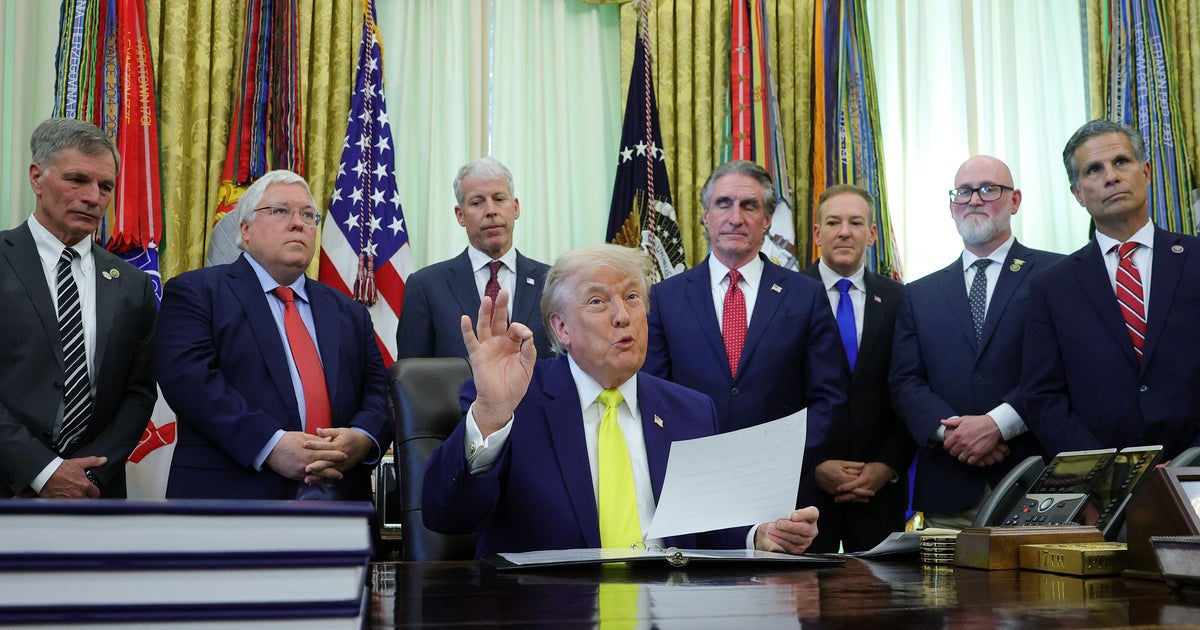
Trump to Invest $700 Million in Coal Production Using Defense Production Act President Donald Trump’s decision to deploy wartime powers to steer $700 million into coal has sharpened a familiar fault line: is this a strategic energy play for national resilience, or an expensive bet on a fading, highly polluting fuel?
Conservative outlets frame the move as a bold, security‑minded correction to fragile energy markets. Trump is invoking the Cold War–era Defense Production Act to “provide $700 million in funding to support and boost the coal industry as part of the administration’s broader effort to meet rising energy demand,” including power needs from artificial intelligence and electrification. One conservative report emphasizes that $425 million will prop up 13 coal plants in states such as West Virginia, Kentucky, North Carolina, and Arizona, with another $75 million slated for a new West Gateway export terminal in Oakland, California, to support western producers like Wyoming and Utah. A separate account highlights the same topline choice: “Trump to spend $700M to boost U.S. coal production,” underscoring the White House’s use of Cold War authorities to channel federal cash into domestic extraction and generation.
Liberal coverage focuses less on grid reliability and more on economic risk and environmental rollback. CBS News notes that Trump is “doubling down on his commitment to bolster the fossil fuel industry,” with funding for existing plants, a new California export terminal, and new or restarted plants in Alaska, West Virginia, and Maryland, all justified as “historic action to bring down the price of energy and the cost of living.” Critics, however, view this as a subsidy for “a declining industry,” warning of more pollution and potentially higher long‑term electricity costs as cleaner technologies grow cheaper and global markets move away from coal.
Both sides agree the move is unusually aggressive federal intervention. The core disagreement is whether using emergency powers to extend coal “for decades into the future” is pragmatic realism—or strategic denial of the energy transition already underway.
Write a comment