Egypt Beats New Zealand for First-Ever World Cup Win
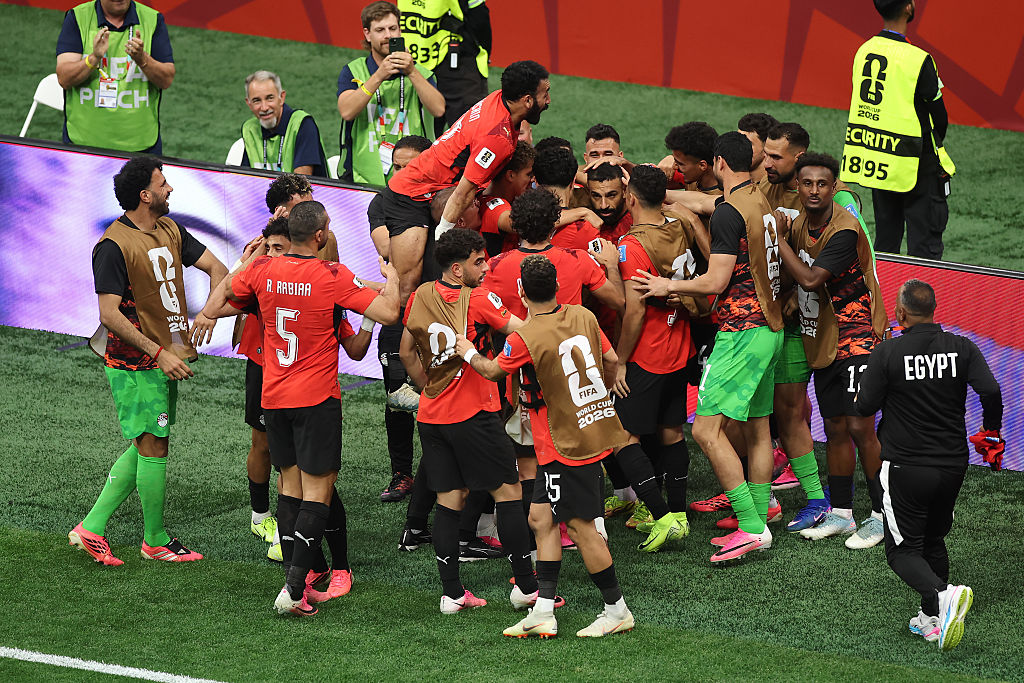
Egypt Beats New Zealand for First-Ever World Cup Win Egypt’s 3–1 comeback over New Zealand is being hailed as both a long-awaited footballing milestone and a revealing stress test of two teams moving in opposite directions on the World Cup stage.
Conservative-leaning coverage in the United States stresses the historical weight and national pride behind Egypt’s first-ever World Cup win, framing Vancouver as the culmination of nearly a century of frustration. The Epoch Times highlights how Egypt had failed to win in three previous World Cup campaigns since their 1934 debut, underscoring that this result “gives Egypt a shot at making the knockout round for the second time” after their lone Round of 16 appearance 92 years ago. Mohamed Salah’s post-match reaction is cast as a nationalist touchstone, describing the victory as “an incredible achievement for all the players and the coaching staff” and projecting it as something Egyptians may remember as “the greatest achievement in our history.”
Liberal outlets, by contrast, foreground tactical nuance and the broader competitive context. The Guardian’s match report emphasizes how Salah “inspired Egypt to their first-ever World Cup win” with a “brilliant second-half display,” moving the side to the top of Group G and “boosting their hopes of reaching the knockout stage.” It details New Zealand’s initially effective long-ball strategy, Finn Surman’s opener, and the shift after the break when Egypt “piled on the pressure,” equalised through Mostafa Ziko, then saw Salah and Trézéguet finish the job.
A separate Guardian live blog deepens that tactical lens, describing “a game of two halves” in which Egypt’s second-half structure — “Marmoush on the left, Salah floating, and Ashour knitting everything together” — becomes “surely the template for the remainder of the World Cup.” It simultaneously spotlights New Zealand’s recurring frailty, noting they “threw away a lead for the third time this World Cup” and “ran out of steam” as the lowest‑ranked team in North America.
Taken together, the coverage converges on the game’s historic significance but diverges on emphasis: one narrative elevates a nation’s long-delayed catharsis, the other dissects the evolving tactics and shifting power dynamics inside a finely poised Group G.
Write a comment