Trump Predicts a Hormuz Breakthrough as Iran Warns the Hard Part Remains
Trump Predicts a Hormuz Breakthrough as Iran Warns the Hard Part Remains
Donald Trump is presenting the possible reopening of the Strait of Hormuz as a near-term diplomatic victory, while Iran’s account suggests that the parties have not yet solved the conditions needed to make shipping safe and politically acceptable.
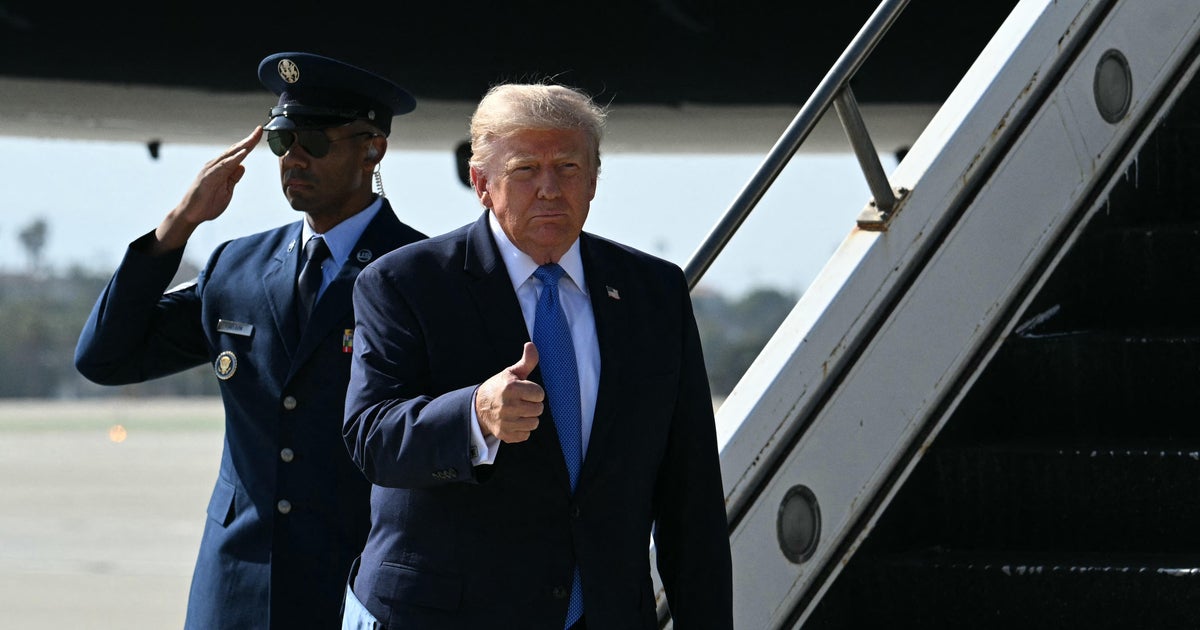
The difference is sharpest in the timeline. Trump said an agreement could be announced “tomorrow or the next day” and later told Fox News the waterway was “going to be open very soon.” His message frames the talks as evidence of U.S. leverage, reinforced by a warning that American forces would respond if diplomacy failed.
That warning has remained central to the conservative framing. Trump said the strait would reopen soon or Iran would “get hit very hard,” threatening “a tremendous attack” that he described as potentially the largest U.S. strike since World War II. In this telling, reopening is both a diplomatic possibility and an ultimatum.
Iran and Oman describe something narrower: an understanding on the geographic coordinates of a proposed shipping route. Iran’s foreign ministry said the parties had reached “a mutual understanding on the geographical parameters of the route under discussion,” with a joint statement nearing completion if third parties do not interfere. But the same account cautioned that an Iran-Oman agreement alone would not guarantee security in the strategic waterway—and that important details remained unresolved.
Tehran also rejects Trump’s suggestion that direct U.S.-Iran negotiations are underway. Deputy Foreign Minister Kazem Gharibadadi said, “The path of understanding is between Iran and Oman, and no negotiations with the US have taken place during this period.” Iran instead says Washington must return to prior commitments, including arrangements involving commercial transit and the lifting of a U.S. naval blockade.
The competing narratives therefore point to progress, but not the same kind. Washington emphasizes imminent reopening backed by pressure; Tehran emphasizes a preliminary route agreement constrained by security, sovereignty and the risk of outside interference.
Write a comment