FAA’s 737 Max Crack Inspections Expose the Tension Between Prevention and Reassurance
FAA’s 737 Max Crack Inspections Expose the Tension Between Prevention and Reassurance
The FAA is moving before a suspected structural problem reaches Boeing’s 737 Max fleet, ordering inspections based on cracks found in older 737 aircraft. The decision underscores the uneasy balance between preventive oversight and industry assurances that the newer jets remain safe.
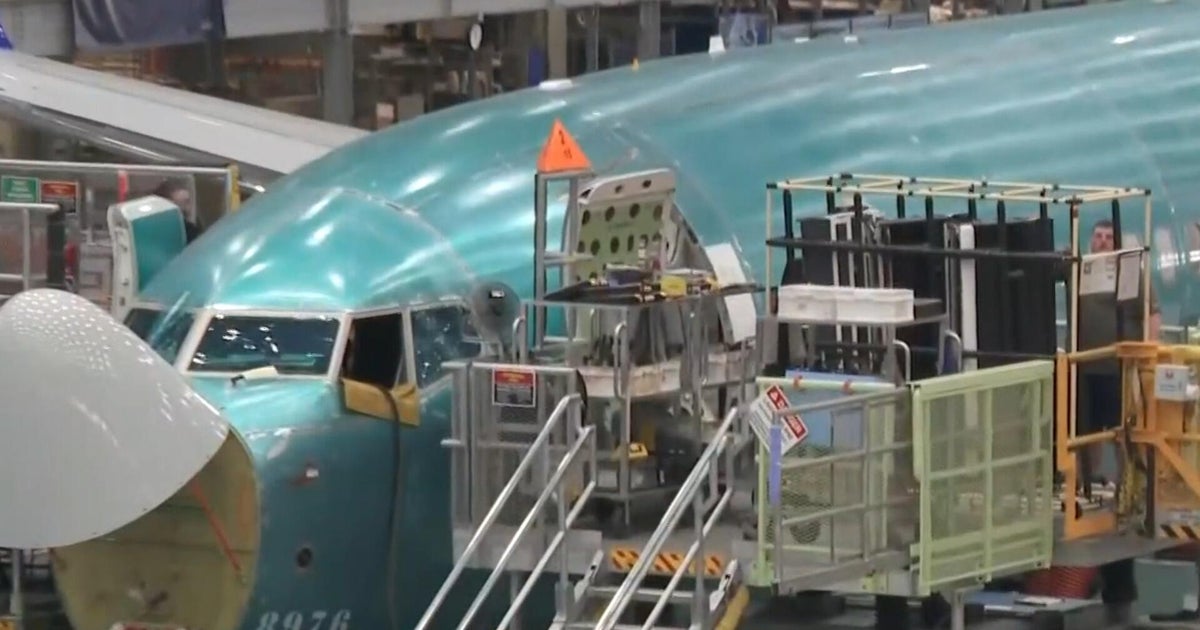
The directive covers 471 aircraft in the United States and 1,429 worldwide—part of a broader inspection effort involving “nearly 500 Boeing jets in the U.S.” The affected 737 Max 8, Max 9 and 737-8200 models share a similar design and manufacturing process with older 737 Next Generation aircraft, where cracks were found in a fuselage reinforcement known as the bear strap.
The FAA’s position is precautionary: repeated takeoffs and landings can place stress around doorways and emergency exits, allowing cracks to develop near door corners. Mandatory inspections are intended to identify and repair any damage before it becomes a safety issue. So far, however, “no cracks have been found in Boeing Max jets specifically.”
Boeing presents the action as an extension of an existing monitoring program rather than evidence of a confirmed Max defect. The company said it notified operators of older 737s about the issue in 2019 and “extended the inspections to 737 MAX airplanes” in 2024 because of the shared design and build process. It is also studying the root cause.
Airlines largely echo that reassurance while accepting the regulator’s timetable. Southwest said it was “reviewing” the directive and would complete inspections as scheduled, while United said it expected no near-term operational impact and planned to conduct the work during heavy maintenance visits. The contrast is clear: the FAA is acting on a potential risk, while Boeing and carriers emphasize the absence of confirmed cracks and limited immediate disruption.
Write a comment