British Columbia’s Wildfire Emergency Exposes a Crisis Moving Faster Than Authorities Can Respond
British Columbia’s Wildfire Emergency Exposes a Crisis Moving Faster Than Authorities Can Respond
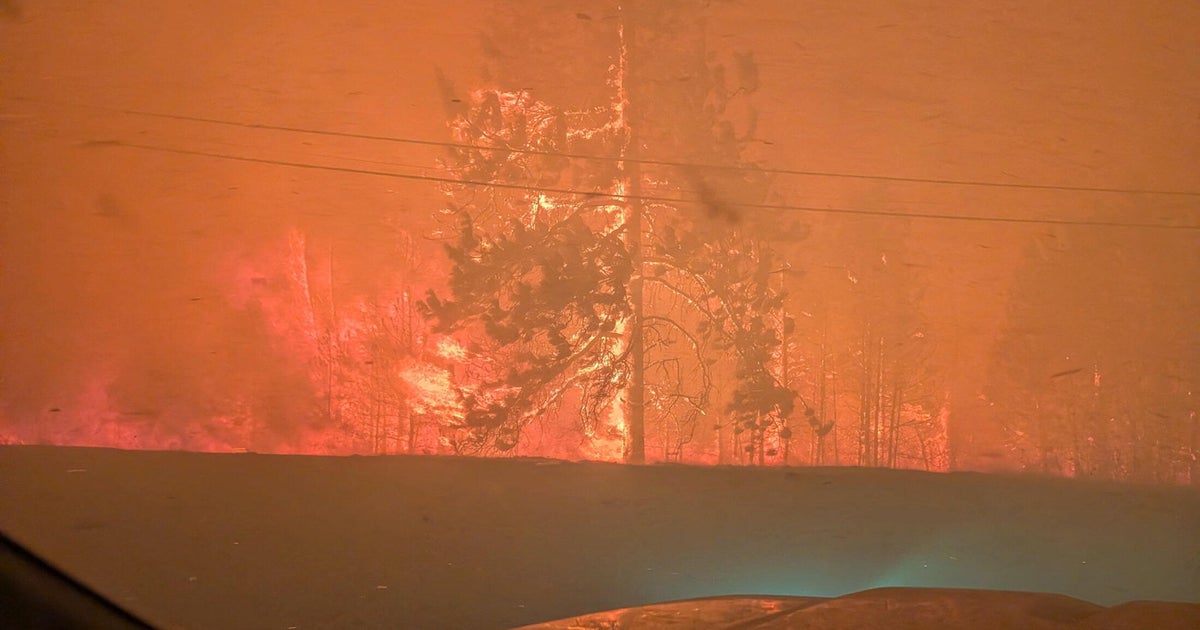
A fast-moving wildfire in British Columbia has turned a mass evacuation into a test of whether emergency services can keep pace with a fire advancing faster than many residents could escape. More than 20,000 people were ordered from communities around Okanagan Lake as homes burned and authorities investigated a possible death.
The scale of the evacuation was confirmed across reports, with Summerland and nearby Peachland among the hardest-hit communities. The conservative-position coverage emphasized the official response: Premier David Eby declared a state of emergency, air evacuations began and the RCMP worked with the coroner’s service to determine whether a wildfire-related death occurred near Summerland.
Liberal-position reports portrayed the same crisis through a broader lens. They highlighted more than 100 active wildfires, drought, hot winds and the “explosive” conditions that officials said could threaten other communities. The province’s emergency powers may help restrict travel and secure accommodation, but those tools came after roads had already jammed and some residents were trapped.
That contrast is central to the story: authorities describe a coordinated rescue operation, while residents and even emergency officials describe a fire that overwhelmed normal procedures. Firefighting aircraft rescued more than 50 people, yet an emergency official was forced to abandon his operations center and flee with his family. “I had to leave the EOC to come and get my family to leave this area,” Erick Thompson said.
The human accounts underline the gap between evacuation orders and escape. One resident said the approaching flames “looked like doomsday,” while another described the fire simply as: “It’s scary. It’s moving fast.” Officials stress cooperation and extraordinary response measures; residents are confronting uncertainty over homes, missing loved ones and whether warnings can arrive before the next fire does.
The episode reflects a wider pattern of increasingly destructive wildfire seasons across Canada, but its immediate lesson is more specific: when a blaze generates its own weather and races toward populated areas, emergency powers may be necessary—but not sufficient.
Write a comment