Jorge Messi’s Death Ends a Quiet Partnership Behind Lionel’s Rise
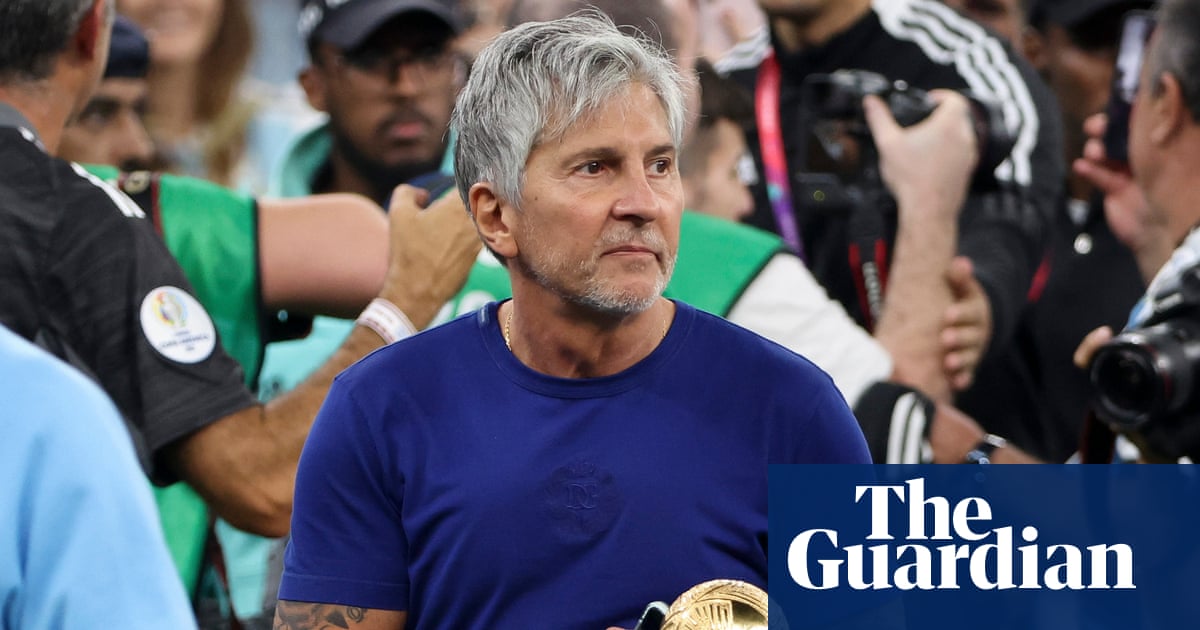
Jorge Messi’s Death Ends a Quiet Partnership Behind Lionel’s Rise
Jorge Messi, the father and longtime agent who helped guide Lionel Messi from Rosario to football’s summit, has died at 68 after a prolonged illness. His death brings renewed attention to the largely behind-the-scenes partnership that shaped one of the sport’s defining careers.
The accounts from football institutions and news organizations largely agree on the essentials: Jorge died in Rosario while receiving medical care, surrounded by family, and had remained closely connected to Lionel’s career from its earliest stages. Newell’s Old Boys, where the younger Messi began playing, described him as “the pillar and the person who, with vision, rigour and affection, supported the career of the best player of all time.”
What differs is the emphasis. One account focuses on the family’s long period of uncertainty, noting that Jorge alternated between a medical centre and home while Lionel balanced personal concerns with his return to Inter Miami. Another frames Jorge more explicitly as a football operator: he took Lionel to Barcelona for his first trial in 2000, moved with him to Spain and later represented him through major contracts with Barcelona, Paris Saint-Germain and Inter Miami.
Both perspectives also underline the privacy surrounding Jorge’s illness. Lionel had previously said that his tears after scoring for Argentina were linked to “something unrelated to football,” while the family pushed back against rumors and described his condition as a private medical matter. The public tributes now present a more settled legacy: Jorge was not the player on the pitch, but a constant presence behind it.
Lionel himself once captured that dependence in simple terms: “I always needed my dad’s approval, ever since I was a kid.” The statement suggests that Jorge’s influence extended beyond contracts and career decisions, into the emotional foundation of his son’s extraordinary ascent.
Write a comment