A Drone Blast Near Bulgaria’s Gas Pipeline Exposes NATO’s Airspace Vulnerability
A Drone Blast Near Bulgaria’s Gas Pipeline Exposes NATO’s Airspace Vulnerability
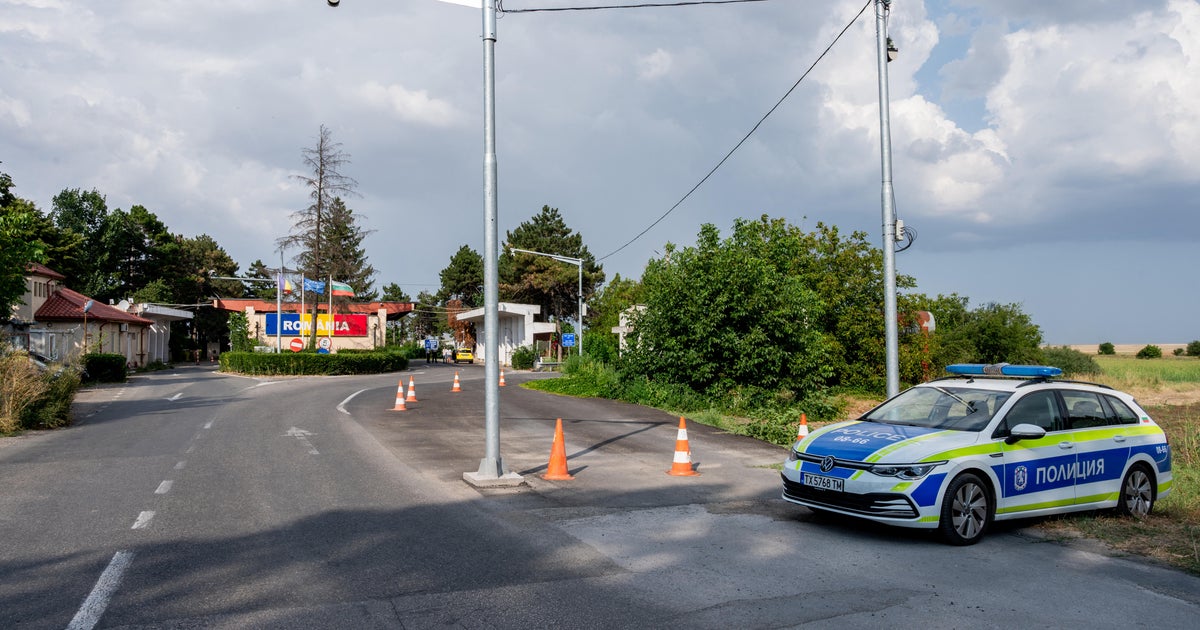
A drone crossed into Bulgarian airspace from Romania and exploded near a major gas pipeline, turning an incident with no casualties or damage into a fresh test of NATO’s eastern defenses.
The most pointed interpretation places the likely origin in Ukraine. A conservative account describes the aircraft as “likely from Ukraine” and emphasizes its proximity to the pipeline and Romania’s border. That framing highlights the strategic risk: even an apparently isolated drone can approach critical infrastructure inside NATO territory without being intercepted.
The fuller account is more cautious about intent. Bulgaria’s defense ministry said the drone appeared to be a type used by Ukrainian forces, but assessed the incursion as probably accidental. Ukraine denied deliberately targeting Bulgaria and said its military was investigating. A Ukrainian foreign ministry spokesperson, Heorhii Tykhyi, said Kyiv and Sofia were in “close contact” to establish what happened.
The physical details sharpen the concern without resolving responsibility. Bulgarian Prime Minister Rumen Radev said the drone exploded roughly 200 meters from a Romanian compressor station and about 0.6 miles from Bulgaria’s facility on the Trans-Balkan pipeline. Officials said it was not detected or identified while crossing either Romanian or Bulgarian airspace, while the blast suggested it carried a substantial explosive charge.
That combination—uncertain attribution, an apparent failure of detection and proximity to energy infrastructure—bridges the competing perspectives. The conservative framing stresses Ukrainian responsibility and vulnerability; the Bulgarian and Ukrainian positions stress accident, investigation and the absence of damage. Sofia’s response is operational rather than rhetorical: it plans to shift anti-drone capabilities from the Turkish border to the Romanian frontier. The incident therefore remains less a confirmed attack than a warning that unintended incursions can carry deliberate-looking consequences.
Write a comment