Puerto Rico’s Water Crisis Exposes the Island’s Fragile Balance Between Residents and Tourists
Puerto Rico’s Water Crisis Exposes the Island’s Fragile Balance Between Residents and Tourists
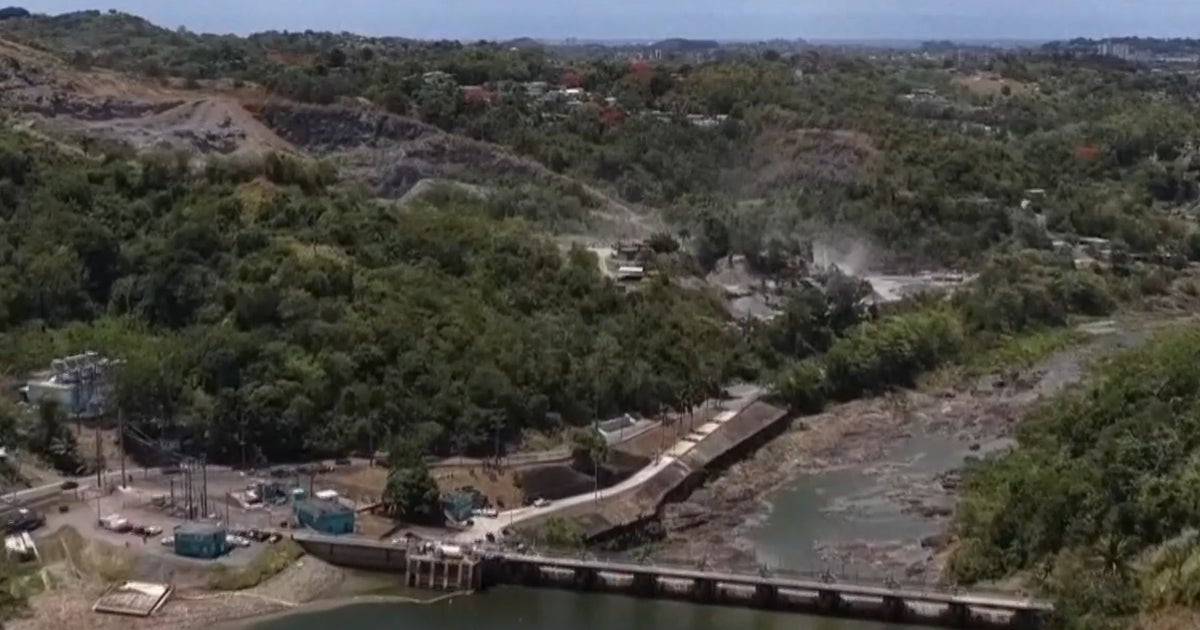
Puerto Rico’s water crisis is forcing a difficult choice: conserve dwindling supplies for residents while keeping an island economy built around hotels, restaurants and tourism operating. More than 180,000 customer accounts face alternating 48-hour outages as drought and infrastructure weaknesses converge.
The liberal account frames the emergency primarily as a public crisis, describing the drought as Puerto Rico’s worst in decades and emphasizing the scale of the disruption. That perspective centers residents confronting repeated interruptions and the practical challenge of storing water, rather than treating the shortage as a temporary inconvenience.
The conservative coverage widens the lens to travelers and businesses. It cites July as San Juan’s driest month in more than 120 years and reports that nearly a quarter of Puerto Rico is experiencing severe drought, while another 36% faces moderate drought. The result is a sharper focus on whether hotels, restaurants and planned vacations can function under rationing.
Those perspectives overlap on the seriousness of the shortage but diverge in emphasis. The tourism-focused report notes that some hotels have cisterns and generators, yet quotes one traveler warning visitors to “prepare to be flexible in your outlook, as it is a crisis.” Others downplayed the effects, predicting inconveniences such as a lack of ice or limited car-washing services. Still, one traveler ultimately wrote: “We didn’t feel good about going and canceled.”
The contrast exposes the central tension. Emergency supplies may shield tourists in the short term, but rationing remains a systemic problem for the wider population. For residents, the crisis is about reliable access to water; for visitors, it is increasingly a question of whether a vacation can proceed at all.
Write a comment