Pentagon Calls It a Leak, Kendall Calls It a Mystery
Pentagon Calls It a Leak, Kendall Calls It a Mystery
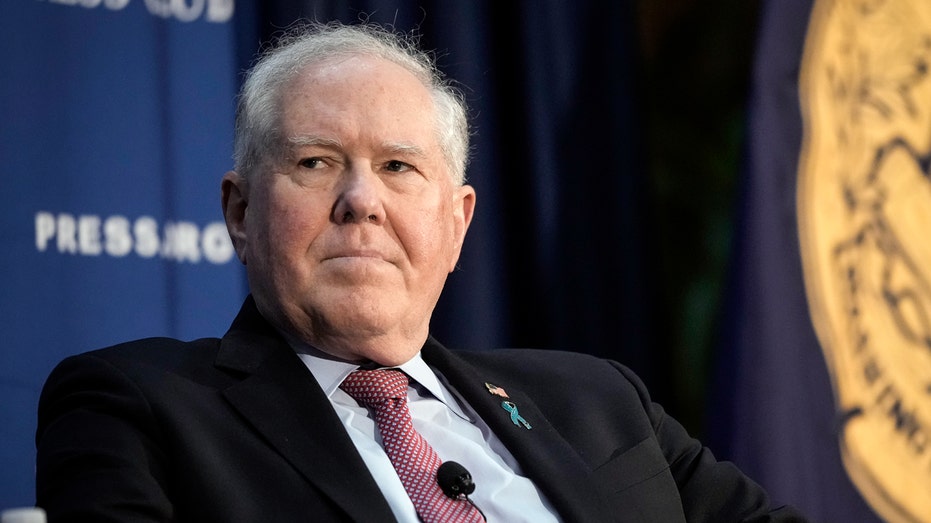
The Pentagon’s decision to revoke former Air Force Secretary Frank Kendall’s security clearance turns a dispute over Air Force One into a broader clash over secrecy, accountability and political framing.
Pentagon spokesperson Sean Parnell said Kendall immediately lost his eligibility to access classified information and to hold any sensitive position because of an “unauthorized disclosure of classified information regarding Air Force One’s capabilities.” Conservative coverage presents the action as the identification of a leaker, emphasizing Kendall’s Biden-era role and his connection to reporting on alleged shortcomings in the Qatari-donated aircraft. One report described the Pentagon as having “yanked” his clearance after Air Force One leaks.
The underlying facts are less conclusive than that framing suggests. Reporting cited differences between the newer aircraft and older presidential jets, including defensive systems and other modifications. Kendall had publicly questioned whether the plane could be fully retrofitted quickly, making his comments politically sensitive—but not necessarily classified. The Pentagon did not identify the media outlet, specify what information was allegedly disclosed or announce a criminal referral.
Kendall’s account directly conflicts with the department’s. He told The Associated Press he was “completely mystified” by the revocation and said, “I’ve always been extremely careful to not say anything classified.” That denial is consistent with the liberal perspective, which stresses the lack of particulars and the administration’s earlier effort to subpoena reporters at The New York Times—an episode that triggered press-freedom concerns.
Both sides agree that protecting classified information is essential. They diverge over whether the Pentagon has demonstrated a genuine breach or merely asserted one. Until officials disclose what Kendall supposedly revealed, the revocation functions as both a security measure and a potent political signal.
Write a comment