A Fast-Moving Wildfire Turned Evacuation Plans Into a Race for Survival
A Fast-Moving Wildfire Turned Evacuation Plans Into a Race for Survival
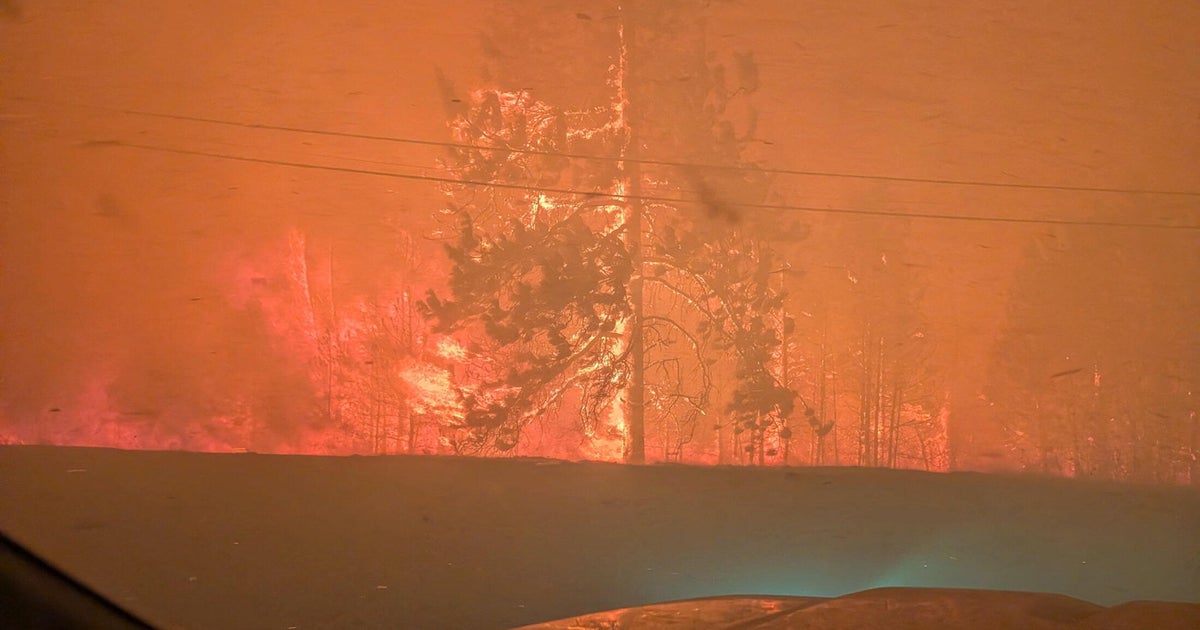
The Bald Range wildfire transformed a familiar evacuation order into a desperate race against flames, forcing more than 20,000 people from communities around British Columbia’s Okanagan Lake and destroying homes along the way. At least one person died while trying to escape.
For residents, the defining feature was speed. Brandon Bishop, who fled Faulder with his wife and two-month-old daughter, said, “We had 40 minutes from the time I was home to the time we left the door with the fire within about 200 feet of the house.” The RCMP said an 80-year-old woman died while attempting to flee in the Meadow Valley area, linking her death to the wildfire.
Officials described the same acceleration in operational terms. British Columbia declared a state of emergency as more than 100 fires burned across the province, nearly half classified as out of control. Summerland, with roughly 12,000 residents, and nearby Peachland, with about 8,000 people, were ordered evacuated, while thousands more were told to remain ready to leave.
The contrast is stark: residents experienced confusion, smoke and blocked roads, while authorities confronted a fire that repeatedly outpaced their response. Emergency official Erick Thompson said he had to abandon the operations centre to evacuate his own family: “We’re heading south.” Firefighting aircraft were consequently diverted to rescue stranded residents, illustrating how quickly a response operation became a mass escape effort.
The government’s response focused on emergency powers and shelter. Federal officials approved assistance for accommodation, while Premier David Eby said the fire was “like a bomb going off.” Scientists and fire managers, however, framed the disaster as part of a wider shift: prolonged drought, extreme heat and climate change are producing fires that spread rapidly—even through the night. The immediate crisis was evacuation; the deeper challenge is whether public agencies can adapt to fires that no longer follow traditional timelines.
Write a comment