Don Nelson’s greatest NBA legacy may be the game he changed, not the titles he won
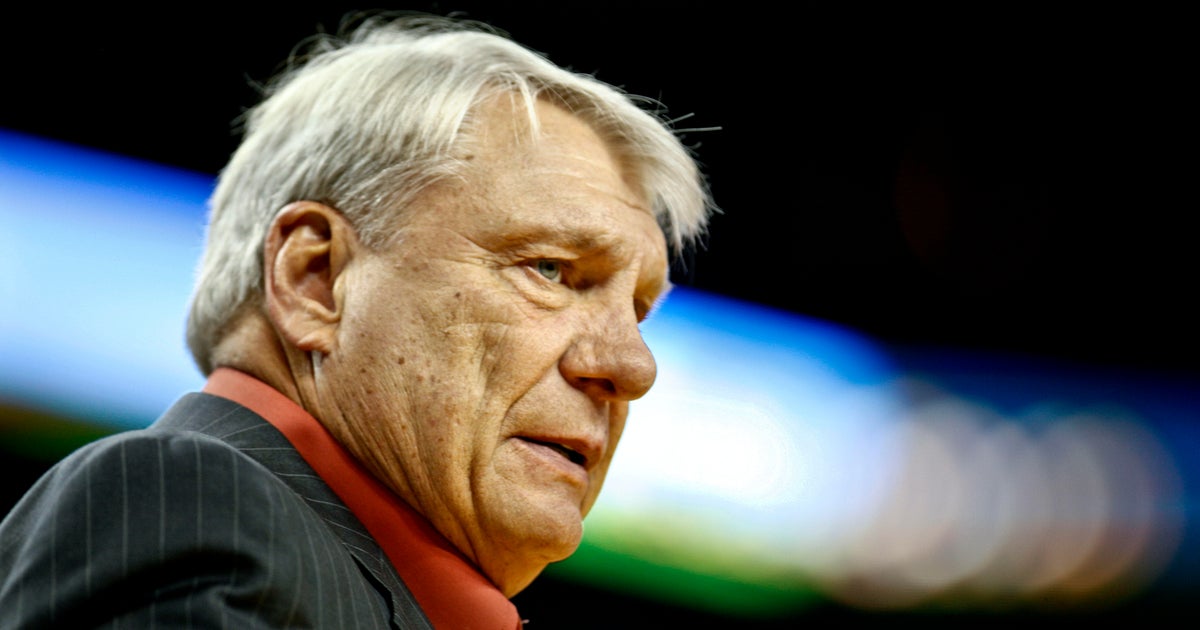
Don Nelson’s greatest NBA legacy may be the game he changed, not the titles he won
Don Nelson’s death closes the career of one of basketball’s most consequential figures—but his legacy resists a simple tally of championships. He was both a revered winner and a restless coach whose ideas often mattered more than his postseason results.
Nelson won five NBA titles with Boston, including a decisive shot in Game 7 of the 1969 Finals, and his No. 19 was later retired by the Celtics. The franchise cautioned that his playing career should not be eclipsed by his coaching achievements, describing the shot as “an essential play” in Boston’s 11th championship in 13 seasons.
As a coach, however, Nelson’s influence was less conventional. He introduced the point-forward concept, emphasized speed over the era’s dominant centers and coached seven straight division-winning teams in Milwaukee. His 1,335 victories once made him the NBA’s winningest coach, though he never won a championship from the sideline. The contrast—historic innovation without a coaching title—defines much of the debate around his career.
His supporters see that gap as evidence of originality rather than failure. The Warriors called him “one of the most innovative and influential coaches in NBA history” and credited him with challenging conventional thinking. Nelson’s fingerprints were visible in the careers of Dirk Nowitzki, Steve Nash and Stephen Curry, whom he drafted and encouraged early in their development.
Yet Nelson’s teams could also be volatile. His clashes with Chris Webber, frequent moves between franchises and unconventional tactics made him difficult to contain within the NBA’s usual structures. Still, Curry said Nelson gave him “an opportunity to be my best self,” while Steve Kerr argued that much of today’s game can be traced to Nelson’s approach.
That is the central comparison: Boston remembers the champion; the modern NBA remembers the disruptor. Nelson’s most durable victory was changing what basketball could look like.
Write a comment