Kinahan’s Extradition Puts Ireland’s Organized-Crime Claims to the Test
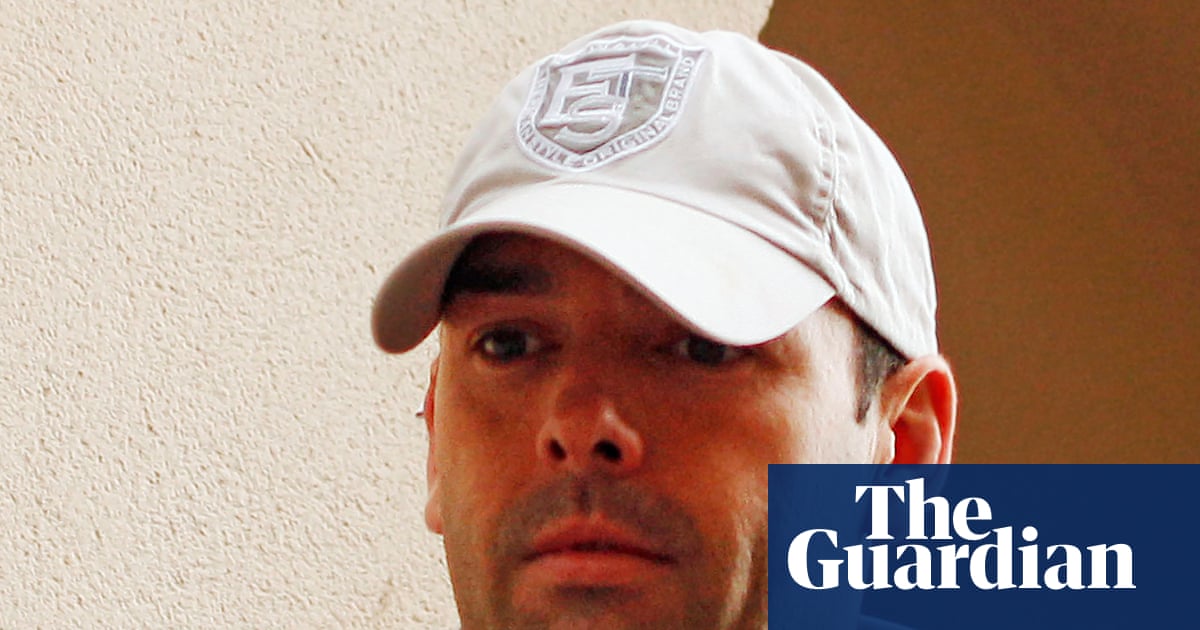
Kinahan’s Extradition Puts Ireland’s Organized-Crime Claims to the Test
Daniel Kinahan’s extradition from Dubai brings a decade-long international manhunt into Ireland’s courts, where allegations of transnational criminal leadership will face formal testing. The case also highlights the contrast between a high-profile security operation and the legal burden of proving the charges.
Irish authorities accuse Kinahan, 49, of directing an organized-crime group linked to drug trafficking, money laundering and a violent gang war spanning Ireland and Spain. He is expected to appear before the Special Criminal Court in Dublin, which hears organized-crime and terrorism cases without a jury, before being held at Portlaoise Prison. The extradition follows a decision by courts in the United Arab Emirates not to block his transfer.
The prosecution’s case is built around international cooperation. Irish police have worked with authorities in Britain, Spain and the United States, while U.S. sanctions in 2022 identified Kinahan as the alleged day-to-day operator of the network from Dubai. American officials said the group bought cocaine in South America, arranged its distribution in Ireland and sought to move drugs into Britain.
The allegations are reinforced by prosecutions of alleged associates. Britain’s National Crime Agency said investigators found cocaine and cannabis concealed in equipment shipped through Dover; Thomas “Bomber” Kavanagh, described as the group’s British leader, later received a 21-year sentence. Spanish investigators have also pursued suspected money laundering tied to companies and a vodka brand operating across Britain, Spain and Gibraltar.
The conservative account is notably narrower, presenting the development simply as the extradition of an alleged Irish organized-crime boss from Dubai to Dublin. That framing emphasizes the event itself, while the more expansive account stresses the alleged network’s reach and the state’s security response. Yet both perspectives converge on the central fact: Kinahan is now in Ireland, where international accusations must be tested against evidence in court.
Write a comment