Spain and Italy Turn a Ceuta Migration Dispute Into a Test of European Unity
Spain and Italy Turn a Ceuta Migration Dispute Into a Test of European Unity
Spain and Italy have transformed a dispute over migration into a broader confrontation over border security, national sovereignty and the credibility of Europe’s free-movement system.
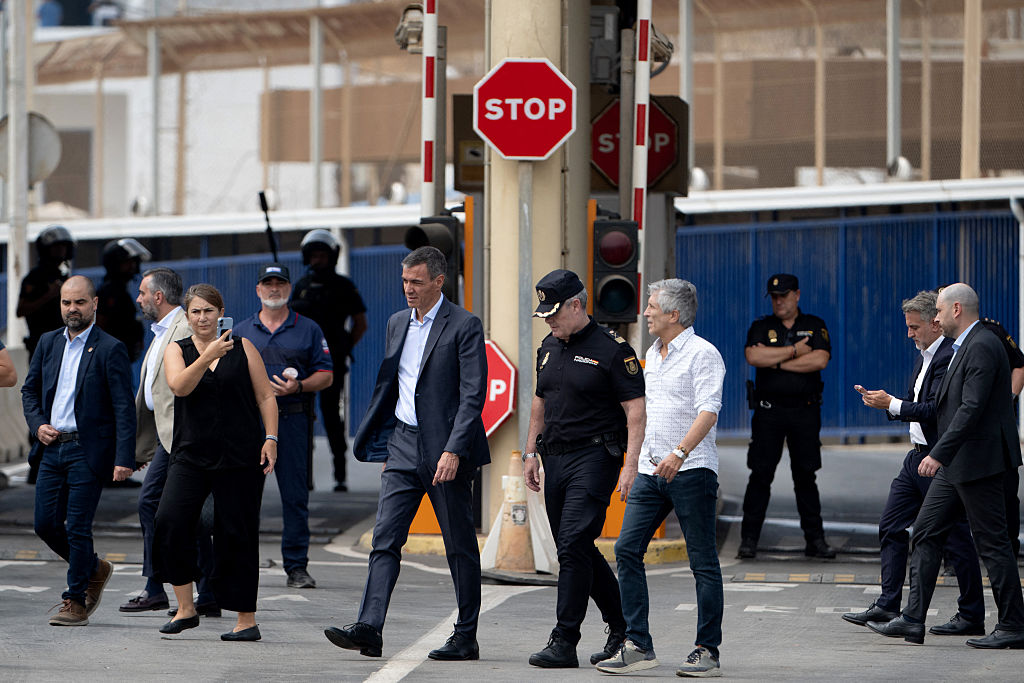
The immediate trigger was the arrival of roughly 72,000 people in Ceuta, a Spanish territory in North Africa. Rome imposed checks on travelers from Spain on 1 August, presenting the measure as a precaution against possible onward migration and security threats. Madrid responded with its own checks on Italian arrivals, in what the conservative framing described as a “tit-for-tat move over Ceuta migrants.”
Italy’s government argues that caution is justified. Foreign Minister Antonio Tajani said, “Some order needs to be brought in: we’re not against Spain, but we have a duty to protect our borders.” He also warned that Italy was the European destination most exposed to risks connected with the influx, despite Spain’s insistence that Ceuta is outside the Schengen free-movement zone and that most arrivals had already been returned to Morocco.
Spain sees the Italian response as both disproportionate and politically motivated. Foreign Minister José Manuel Albares called the airport disruption “an attack on the dignity of the Spanish people” and “a torpedo fired at the hull of European unity.” Madrid has also rejected Rome’s suggestion that Spain’s migrant regularisation policies contributed to the crisis, pointing instead to Italy’s own history of large-scale regularisation schemes.
The dispute has moved beyond ministerial rhetoric. The route between the two countries carried more than 8 million travelers last year, and passengers described the new restrictions as an “absurd spiral.” EU Migration Commissioner Magnus Brunner said both governments had confirmed the controls were temporary, suggesting de-escalation remains possible.
Yet the episode reveals a deeper divide: Italy’s hardline security narrative versus Spain’s defense of European mobility and regulated migration. The danger is that a short-term political gesture becomes a lasting precedent inside Schengen.
Write a comment