Ed Case’s Hawaii Win Checks the Progressive Wave—For Now
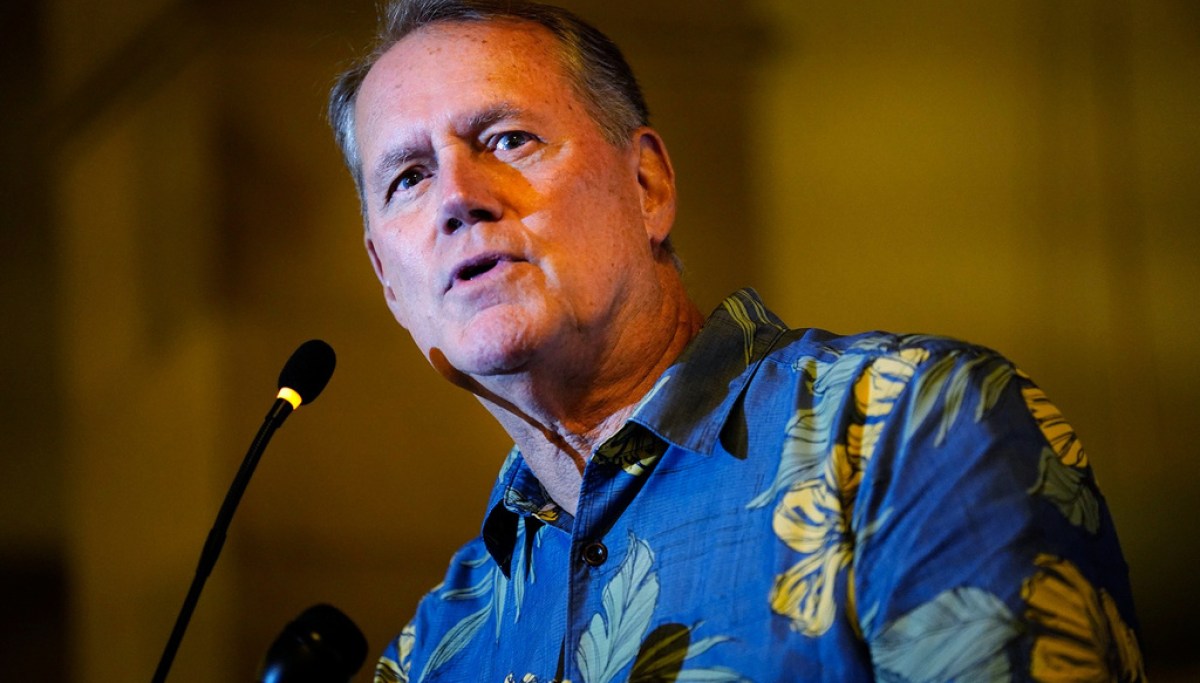
Ed Case’s Hawaii Win Checks the Progressive Wave—For Now
Ed Case’s victory in Hawaii’s 1st Congressional District is more than a routine renomination: it is a clear setback for progressives trying to turn Democratic primaries into a referendum on the party establishment.
With more than 90% of the vote counted, Case led state Sen. Jarrett Keohokalole by roughly 60% to 36%, according to reporting that described the result as a break from a recent string of insurgent challenges to Democratic incumbents. The heavily Democratic district, which includes Honolulu, is expected to remain safely in Democratic hands in November, when Case faces Republican Adriel Lam.
The liberal interpretation is cautious rather than celebratory. Case’s win shows that progressive challengers have not yet found a formula that works across every safe Democratic seat. Keohokalole attacked Case over military aid to Israel and his support for an earlier version of the SAVE Act, while Case emphasized his independence from party leadership and later opposed the revised bill.
Conservative coverage cast the result more starkly—as an establishment victory in what it called the Democratic Party’s “ongoing civil war with its socialist insurgency.” That framing turns a district-level contest into evidence that Democratic voters are resisting the party’s left flank, while also portraying Case’s position on voter identification and citizenship requirements as a challenge to progressive orthodoxy.
Yet the broader progressive argument remains unresolved. A separate analysis celebrating Abdul El-Sayed’s Michigan Senate primary win argued that outsider candidates can defeat heavily funded opponents and break the grip of corporate and establishment interests. Case’s 24-point margin suggests that momentum from such victories is neither automatic nor nationally transferable.
The contrast is the central lesson: progressives may be expanding the boundaries of Democratic debate, but incumbency, local credibility and ideological moderation still carry substantial weight. Case’s win does not end the party’s internal struggle—it simply shows the establishment can still win it.
Write a comment