Trump’s New Counsel Brings Legal Loyalty—and Ballroom Controversy—to the White House
Trump’s New Counsel Brings Legal Loyalty—and Ballroom Controversy—to the White House
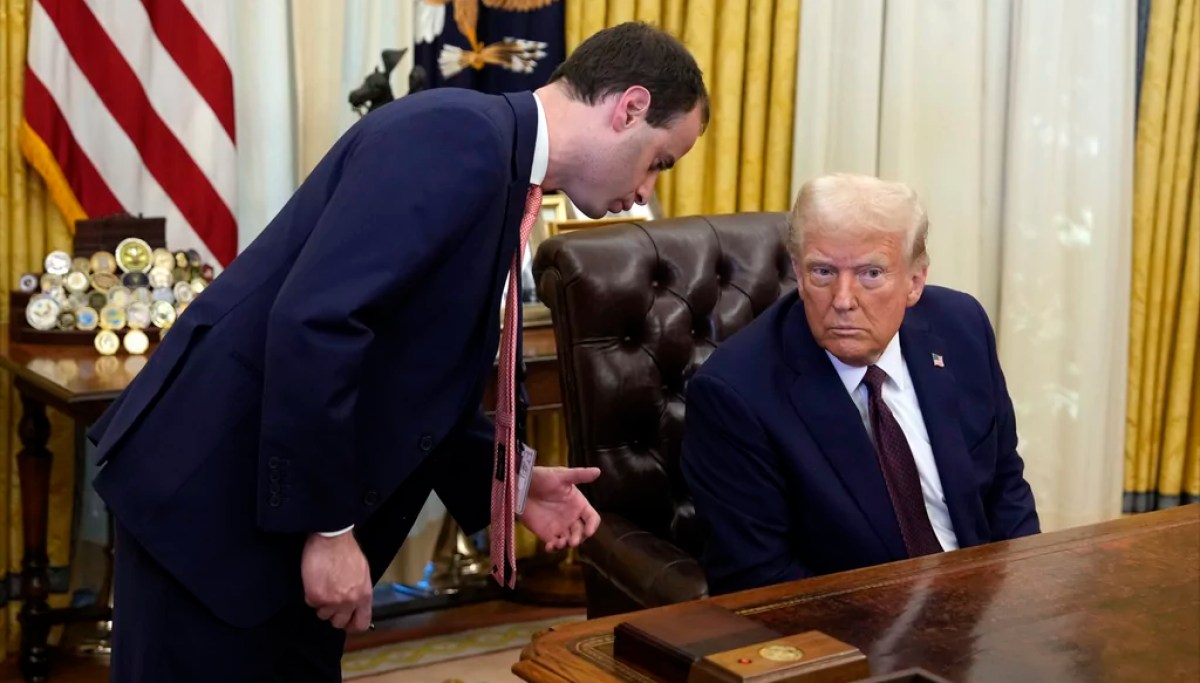
Donald Trump’s decision to install Will Scharf as White House counsel is both a personnel change and a signal of how closely legal loyalty is being fused with the president’s political agenda. Scharf will replace David Warrington on September 1, as the administration faces court challenges and the prospect of aggressive congressional investigations.
Conservative coverage presents Scharf primarily as a trusted, highly credentialed ally. Trump praised him as “Tough, Smart, and Strong!” and highlighted his work representing the president, including before the Supreme Court, as well as his experience as a federal prosecutor and appellate clerk. That framing casts the appointment as a reward for competence and allegiance, while portraying Warrington’s departure for the private sector as an orderly transition.
Liberal coverage places greater emphasis on Scharf’s role in advancing Trump’s $400 million White House ballroom. As chair of the National Capital Planning Commission, he helped oversee the project’s approval; a federal appeals court has since ordered construction to stop, ruling that congressional approval was required. Trump has vowed to appeal to the Supreme Court. The contrast is consequential: supporters see an experienced lawyer moving into a more influential post, while critics see the appointment of an official whose previous work is tied to a contested presidential construction project.
The counsel’s office will also be central to the administration’s next legal phase. It advises on executive action, pardons, judicial appointments and legislation, while managing the White House response to lawsuits and congressional inquiries. Trump’s allies emphasize Scharf’s role on his legal defense team, including the presidential-immunity case in which the Supreme Court recognized broad protection for official acts but not unofficial ones. Democrats, meanwhile, have promised investigations if they regain control of Congress, making the new counsel’s independence—and his proximity to Trump—an immediate test.
Write a comment