Lightning Kills American Hiker on Etna as Safety Warnings Collide With Uncertainty
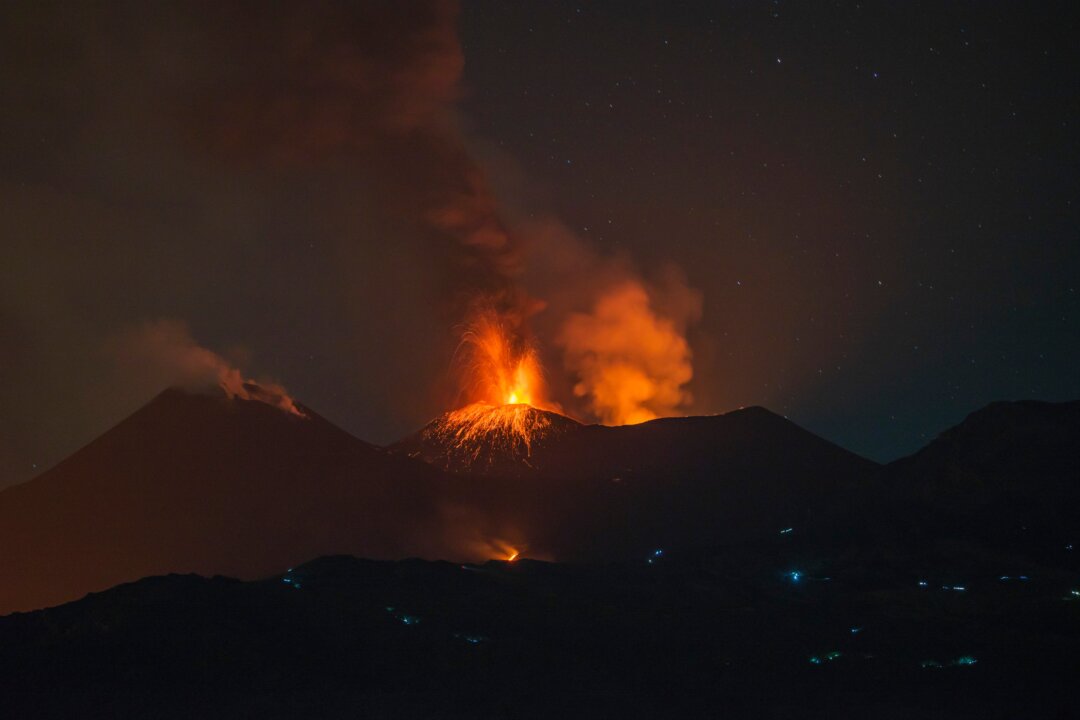
Lightning Kills American Hiker on Etna as Safety Warnings Collide With Uncertainty
The danger on Mount Etna was not only the volcano’s lava. During a period of repeated eruptions and severe weather, an American tourist was killed by lightning while hiking on Sicily’s exposed slopes—raising questions about risk, restrictions and what remains unclear about his final route.
The core facts are consistent across the competing accounts. The 29-year-old man from Kansas was struck Sunday evening near Rocca Capra, at roughly 1,400 meters, and reached by helicopter before being pronounced dead. The volcano had been unusually active, with lava and ash disrupting nearby Catania airport and prompting authorities to close some areas to hikers. The wire-style account emphasizes that officials had restricted access but says it was “unclear if he was in such an area.”
The more politically framed report presents a sharper interpretation. It says the tourist “crossed a closed line on Mount Etna Sunday night to get near the flow,” portraying the death as the consequence of disregarding an explicit safety boundary rather than simply a freak encounter with a storm. That account also stresses a counterintuitive point: hikers may fear the lava, but the immediate fatal threat was lightning in an open area above the tree line.
The difference matters. Both perspectives underscore the volcano’s prolonged activity and the hazards of approaching it, but one preserves uncertainty about whether the man violated a closure, while the other treats that violation as established. Neither account changes the outcome: emergency crews found him in cardiac arrest, and doctors at Cannizzaro Hospital could not revive him. The tragedy illustrates how volcanic tourism can turn deadly even when the lava itself is not the direct cause.
Write a comment