Indonesia’s Quake Toll Rises as Aid Struggles to Reach Isolated Survivors
Indonesia’s Quake Toll Rises as Aid Struggles to Reach Isolated Survivors
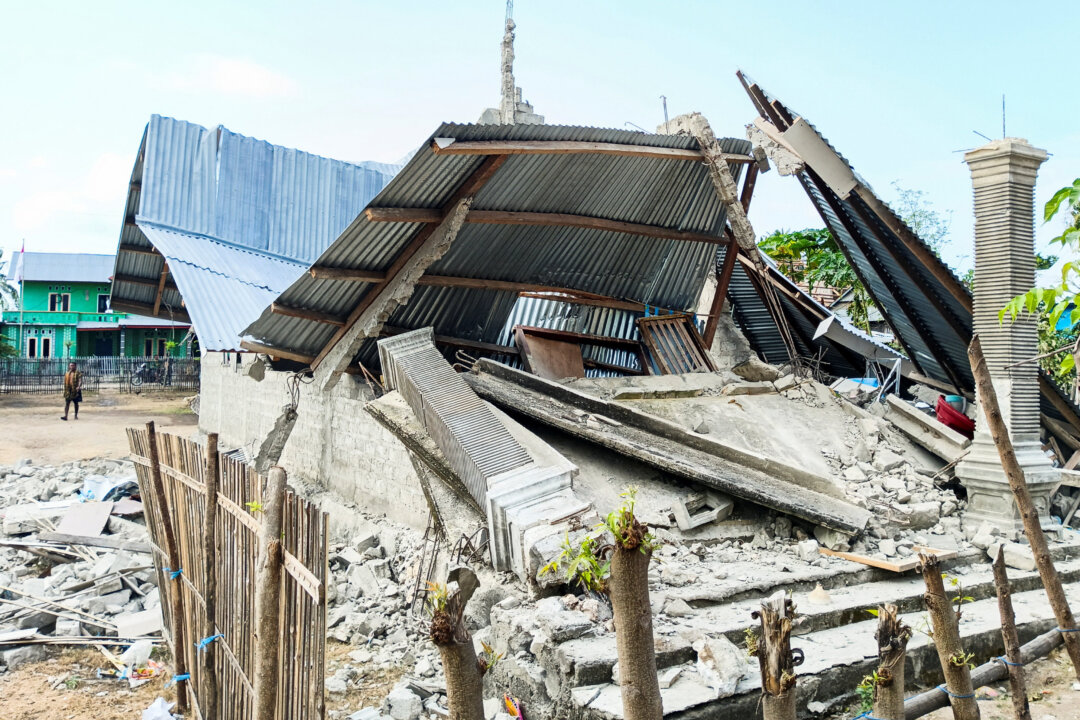
A powerful earthquake off Indonesia’s Flores island has exposed the gap between the scale of the disaster and the speed of the response, with rising casualties, blocked roads and thousands of displaced residents still awaiting basic supplies.
Early reporting put the death toll at 53 and the number of injured above 130, while describing roughly 5,000 evacuations and severe disruption in Sikka, one of the hardest-hit areas. A later account raised the toll to at least 68, counted 213 injured people and reported damage to more than 1,300 homes, including nearly 250 that were destroyed on Flores.
The two perspectives overlap on the central facts: the magnitude-7.7 quake triggered landslides, blocked roads and forced residents into makeshift shelters. But the later report places greater emphasis on the humanitarian consequences of prolonged isolation. Thousands remained without reliable access to food, clean water and medicine, while aftershocks and unsafe buildings kept many people sleeping outdoors.
The government response has expanded, with nearly 1,500 military and police personnel deployed and aircraft carrying hundreds of tons of aid. Emergency field hospitals were also established after local medical facilities were damaged. Yet access remains the defining obstacle. Aid workers described reaching Palue Island as a “near-death journey” because landslides had cut off steep roads.
The human cost is reflected in the testimony of Rasyid Jafar, whose home was destroyed: “We need food, medicine and clean water urgently.” The disaster also revives memories of Flores’ 1992 earthquake and tsunami, which killed about 2,500 people. The immediate challenge is no longer simply rescue, but sustaining isolated communities as Indonesia confronts a disaster unfolding across difficult terrain.
Write a comment