Lala Leaves Hawaii Facing a Disaster Far Worse Than the Forecast
Lala Leaves Hawaii Facing a Disaster Far Worse Than the Forecast
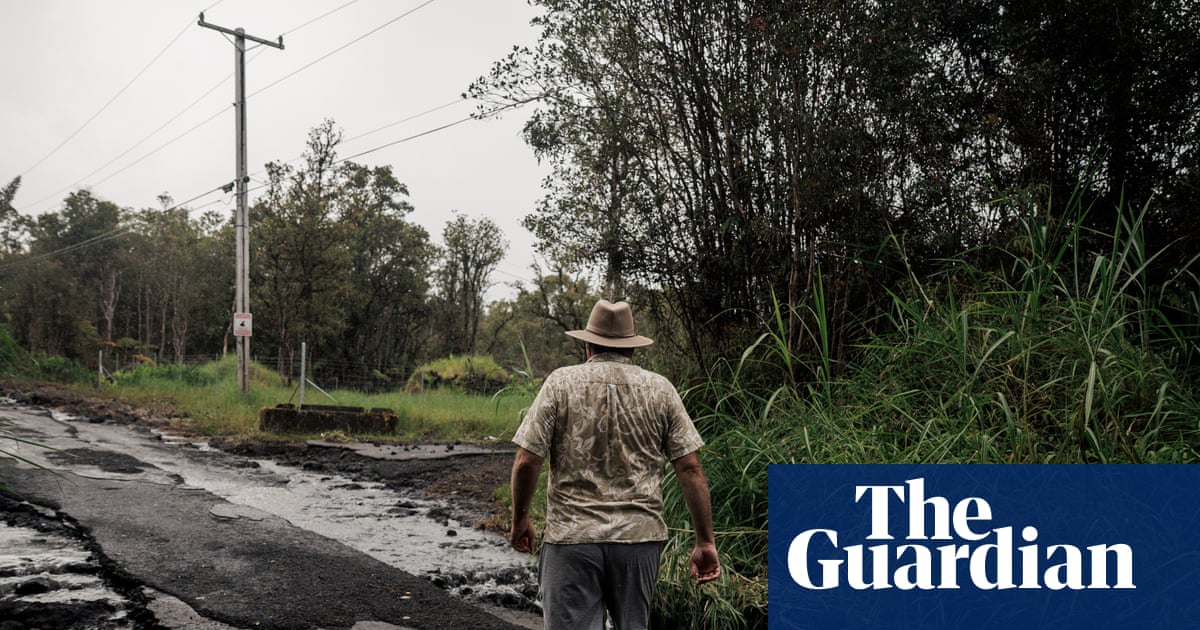
Tropical Storm Lala has moved away from Hawaii, but the crisis it left behind is only beginning: floodwaters and mudslides destroyed homes, severed roads and isolated communities across the Big Island while thousands remain without power.
The immediate damage is stark. More than 100,000 customers lost electricity, roughly 100 homes were damaged or swept away, and six bridges were affected after some areas received more than three feet of rain in 48 hours. Hawaii County Mayor Kimo Alameda described conditions in parts of the island as “it’s devastation.” Governor Josh Green put the statewide damage in the hundreds of millions of dollars, while officials confirmed one storm-related death.
The second account shifts the focus from official estimates to residents trapped in the hardest-hit communities. In Waiohinu, a mudslide destroyed about a dozen homes, and washed-out bridges left some areas cut off from emergency services. Resident Alice Birnbaum described boulders “so heavy they were like shaking the ground” and said people urgently needed water, propane, gas and food. The report also emphasized the uneven recovery: some islands were preparing to reopen offices and schools, while parts of the Big Island remained inaccessible.
A third account used more dramatic language, calling Lala a hurricane despite its downgrade to a tropical storm and highlighting footage of swollen waterways and homes swept from their foundations. It reported more than 125,000 customers without power and cited Alameda’s warning that “several occupied homes may have been swept off their foundations.”
The accounts differ mainly in emphasis, not outcome. One frames Lala through official damage assessments and climate context; another centers on residents’ isolation; the third foregrounds spectacle and scale. Together, they show that the storm’s weakening label did little to reduce its consequences—and that danger remains after the winds subside.
Write a comment