Trump Targets ICC Leaders as Washington and Human-Rights Advocates Clash Over Sovereignty
Trump Targets ICC Leaders as Washington and Human-Rights Advocates Clash Over Sovereignty
The Trump administration is escalating its campaign against the International Criminal Court, framing sanctions on two senior officials as a defense of American sovereignty. Critics see the move as an effort to shield U.S. and Israeli officials from accountability.
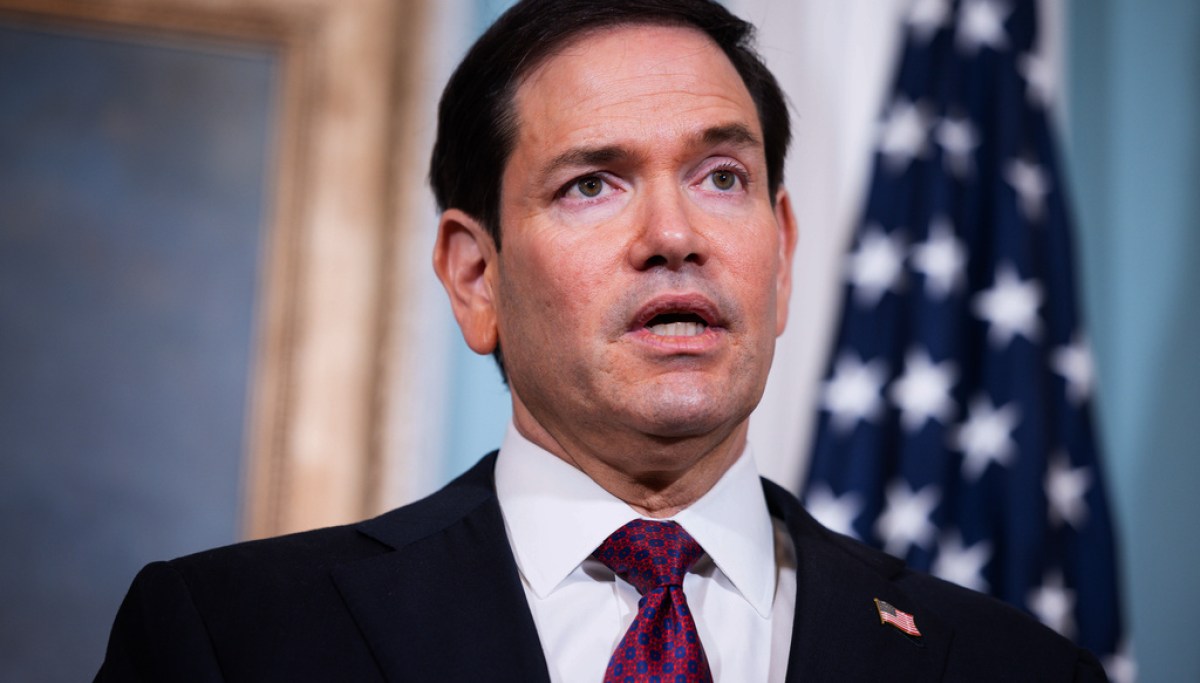
Secretary of State Marco Rubio sanctioned ICC President Tomoko Akane and senior trial lawyer Abdoulaye Seye, accusing them of pursuing cases involving governments that have not accepted the court’s jurisdiction. The State Department said the administration was prepared to “systematically dismantle the ICC until it is incapable of threatening American sovereignty.”
The conservative case rests on consent and national independence. The United States is not a party to the ICC and argues that the court cannot prosecute Americans without Washington’s approval. Rubio said Americans would never be “transported beyond seas to be tried for pretend offenses,” casting the tribunal as an unelected authority over U.S. law. In a post on X, he described the sanctions as part of a campaign to dismantle what he called a threat to national sovereignty.
The liberal account emphasizes what the sanctions could prevent. Akane and Seye are connected to investigations into alleged crimes by Israeli officials during the Gaza war, as well as cases involving U.S. conduct in Afghanistan. The ICC previously sought arrest warrants for Israeli Prime Minister Benjamin Netanyahu and former Defense Minister Yoav Gallant. Rubio has called the court a “corrupt and fatally politicized supranational court,” while human-rights groups say sanctions prevent victims of war crimes from seeking justice.
Both sides agree that the ICC’s authority is contested; they sharply disagree over what that contest means. Washington presents non-membership as a legal barrier. Its critics argue that refusing jurisdiction cannot erase alleged international crimes—and that punishing investigators risks making accountability dependent on political power.
Write a comment