A Security Mistake at Vandenberg Put Reporters in the Crosshairs
A Security Mistake at Vandenberg Put Reporters in the Crosshairs
A routine media visit to Vandenberg Space Force Base turned into an armed detention, exposing the tension between heightened military security and basic communication failures.
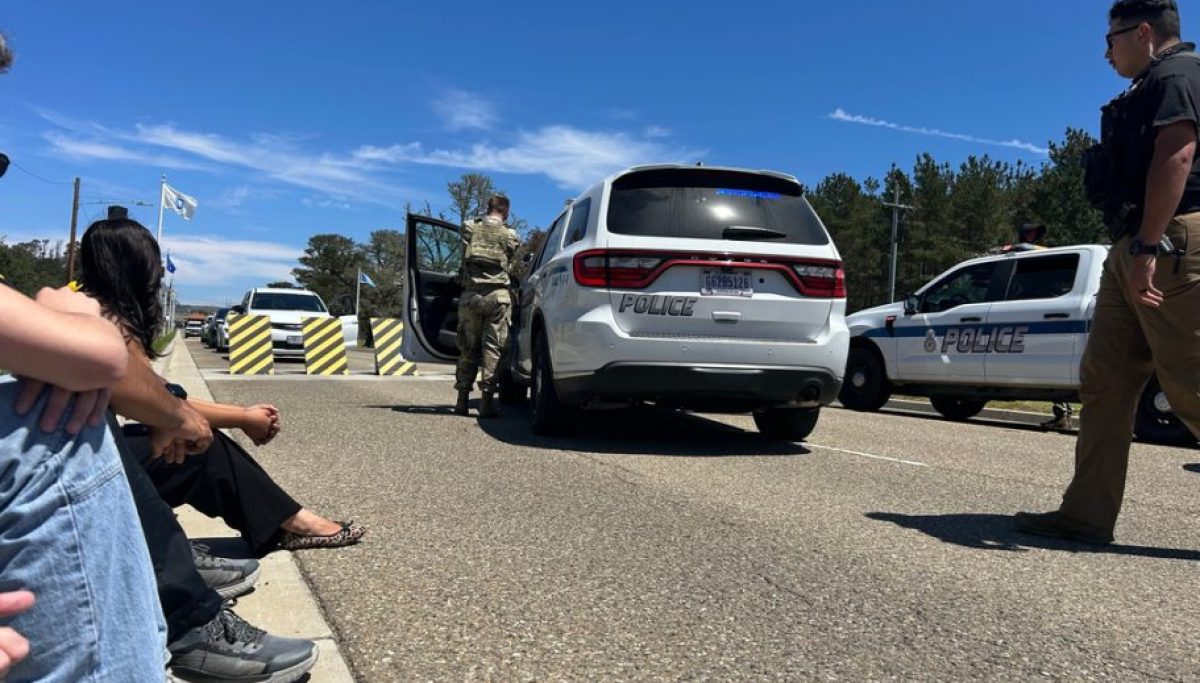
Five reporters and two military personnel were stopped before an invitation-only ceremony marking construction of a new training facility for missile operators. Security officers ordered the group out of its vehicles at gunpoint, while the two service members were handcuffed and taken away in base vehicles. The civilians were made to sit on a curb for more than 30 minutes and missed the event.
The conservative account emphasizes the startling mechanics of the encounter: reporters from several local outlets were part of an expected convoy yet were treated as “gate crashers,” with weapons drawn and barricades raised. That framing presents the incident primarily as an operational breakdown that escalated rapidly.
The liberal account adds the base’s rationale. A Space Launch Delta 30 spokesperson described the episode as a “breakdown in communication,” while also arguing that Vandenberg was facing an increased number of unauthorized entry attempts and that “every potential unauthorized presence must be treated as a legitimate threat until proven otherwise.” The statement underscores the military’s priority—protecting a sensitive federal installation—but does not resolve why an escorted, invited convoy was misidentified.
Both perspectives agree that the detainees were released without further incident. They diverge over what that fact means. For the base, it reinforces the necessity of caution in a threatening environment. For Noozhawk editor in chief Tom Bolton, the response crossed a line: “what occurred was unfortunate and unnecessary, and potentially dangerous, as firearms were drawn.”
The central failure was therefore not simply mistaken identity. It was the absence of a reliable handoff between public-affairs staff escorting the convoy and the security personnel who confronted it—an avoidable gap that turned access control into a show of force.
Write a comment