Hong Kong’s Tiananmen Verdict Turns a Memorial Into a Test of Beijing’s Power
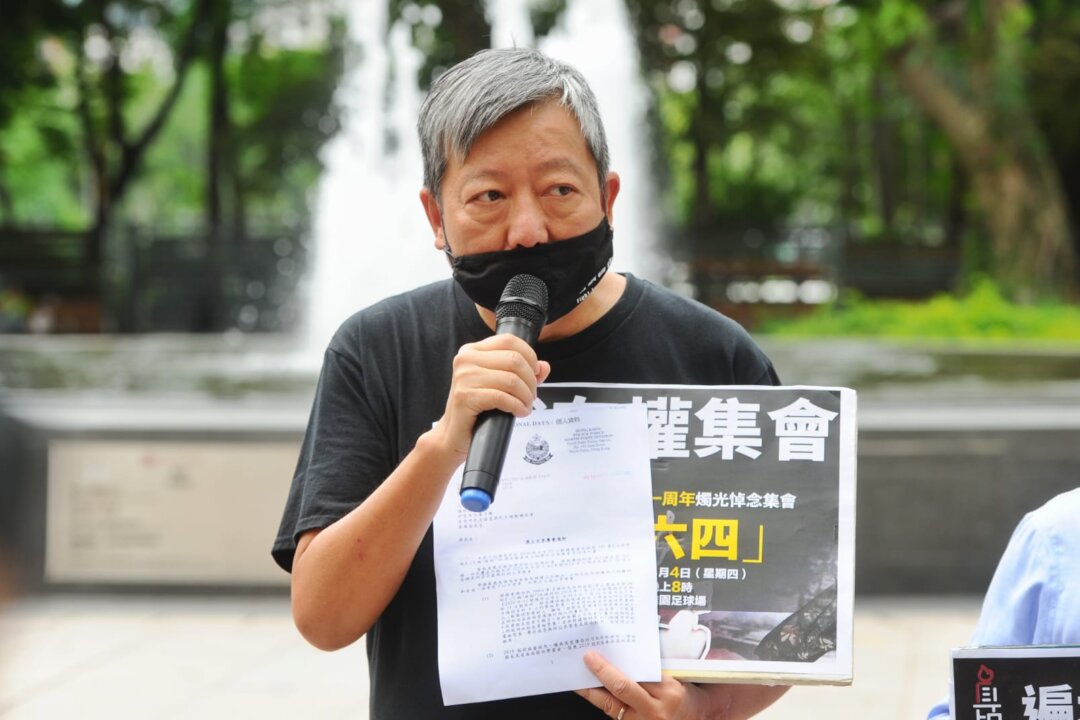
Hong Kong’s Tiananmen Verdict Turns a Memorial Into a Test of Beijing’s Power
Hong Kong has turned the remembrance of Tiananmen into a criminal case, underscoring how dramatically the city’s political space has narrowed since Beijing imposed its national security law. The convictions of two former vigil organizers now place memory, speech and state authority at the center of a broader struggle over Hong Kong’s future.
Lee Cheuk-yan and Chow Hang-tung, former leaders of the Hong Kong Alliance, were found guilty of inciting subversion for helping organize annual commemorations of the 1989 crackdown. Prosecutors said the group’s call to “end one-party rule” was intended to undermine confidence in the Chinese Communist Party and stir hostility. The defendants argued that they were exercising freedom of expression; Chow told the court that the law itself was on trial. They face up to 10 years in prison, with sentencing to follow.
The liberal account presents the verdict as a landmark in the dismantling of Hong Kong’s civil society. It emphasizes that public Tiananmen vigils, once permitted in Hong Kong even though they were banned on the mainland, have effectively disappeared under the security regime. Supporters described the case as evidence of “the absolute power of Beijing in reshaping Hong Kong’s civil society.”
The conservative account reaches the same conclusion on the verdict but frames it more starkly as an unjust prosecution of activists who once led thousands to candlelight vigils. It also notes that the Alliance itself was convicted, reinforcing the view that the law is being used not merely against individual organizers but against institutions capable of mobilizing public dissent.
U.S. Secretary of State Marco Rubio placed the case within the longer history of the crackdown, saying those who sacrificed for “free expression and peaceful assembly” would be vindicated. Beijing and Hong Kong authorities, by contrast, maintain that the national security law restored order after the violent protests of 2019. The competing narratives leave little room for ambiguity: one side sees a necessary defense of state power, the other a campaign to erase dissent—and the memories that sustain it.
Write a comment