North Korea’s Missile Barrage Exposes the Limits of Trump’s Drill Concessions
North Korea’s Missile Barrage Exposes the Limits of Trump’s Drill Concessions
North Korea has answered a scaled-back U.S.-South Korean military exercise with a fresh show of force, exposing the gap between Washington’s outreach and Pyongyang’s demands.
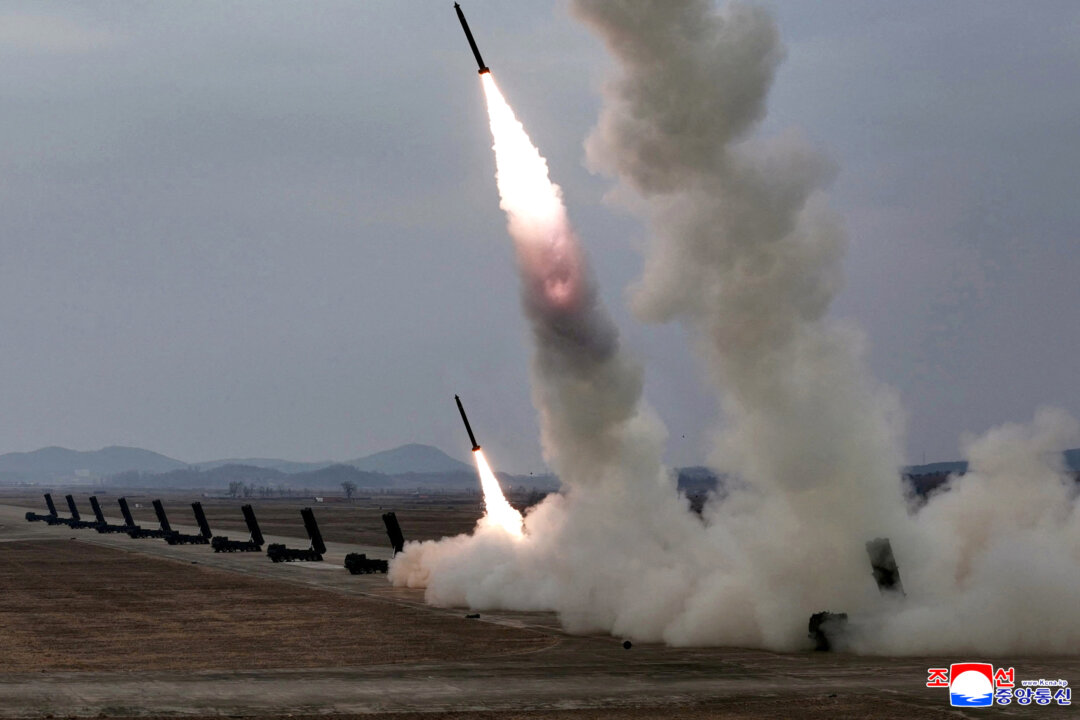
South Korea said roughly 10 short-range ballistic missiles were launched from the Pyongyang area toward the East Sea at about 5 p.m. local time. Seoul increased surveillance and coordinated with Washington and Tokyo, while its national security council condemned the launches. The missiles violate U.N. Security Council resolutions, according to the South Korean account.
The launches came during Ulchi Freedom Shield, an exercise that the Trump administration shortened from its usual schedule. The Pentagon presented the change as a limited adjustment rather than a retreat, saying live-training events had been reduced or converted to simulations while readiness goals remained intact. Trump, however, framed the drills more politically and financially, calling them costly and “totally inappropriate and hostile” despite his view that North Korea had been “unthreatening and respectful.”
That conciliatory logic has not persuaded Pyongyang. Kim Yo-jong said reducing the drills did not alter their “provocative, aggressive nature” and warned that Washington would not receive the response it wanted by presenting the move as an act of good faith. Her message differed in tone from North Korea’s missile test: she avoided the usual fiery rhetoric and said personal relations between Kim Jong-un and Trump remained “still excellent,” leaving room for diplomacy while rejecting a limited concession.
The contrast is clear. Washington appears to view smaller exercises and a possible Trump-Kim meeting as confidence-building measures; Seoul emphasizes deterrence and the immediate breach of international restrictions; Pyongyang treats the drills as hostile regardless of their size. Trump said he would meet Kim later in 2026, but the launches suggest that any renewed talks will depend on concessions far beyond a shorter exercise.
Write a comment