Alleged Capitol Bomb Plot Pits Terror Warning Against the Limits of an Unproven Case
Alleged Capitol Bomb Plot Pits Terror Warning Against the Limits of an Unproven Case
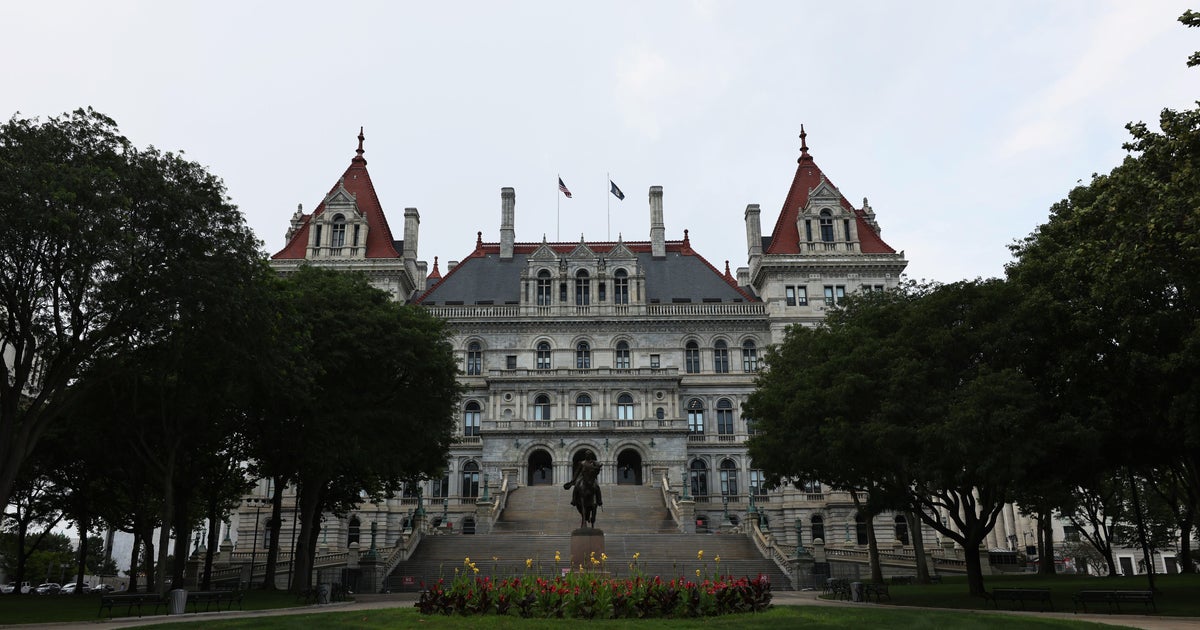
The arrest of Jessica Bowie has turned an alleged attack on New York’s State Capitol into a stark test of how terrorism cases are framed: as an urgent warning about political violence, or as a criminal accusation that must still be proved in court.
Federal prosecutors say Bowie, 35, planned to use explosives against the Capitol and state senators after surveilling the building five times. The liberal publication’s account emphasizes the breadth of the alleged scheme, including claims that she discussed killing at least 100 people, obtaining a firearm and fleeing the country before eventually targeting Times Square. Authorities say undercover FBI sources supplied money and posed as ISIS contacts before Bowie was arrested with a purported explosive device, a firearm, ammunition and knives.
The conservative headline presents the case in more sensational terms, highlighting allegations that Bowie praised the September 11 attacks and considered striking the White House as well as the Capitol. That framing places ideological radicalization and the alleged targets at the center, while the other account gives greater weight to the criminal complaint, investigative methods and the legal limits of the charge.
Officials from both political camps converged on the same conclusion: the alleged threat was serious, and law enforcement intervention prevented an attack. First Assistant U.S. Attorney John Sarcone called the alleged plan “an attack on democracy itself,” while FBI Special Agent in Charge Craig Tremaroli said Bowie questioned the value of killing only “two or three people.”
Gov. Kathy Hochul said there was “no immediate threat,” even as she cited heightened security measures following an increase in threats against public officials. The contrast is central to the case: authorities portray a disrupted terrorist plot, but Bowie remains charged—not convicted—and the most explosive details come from allegations recorded during an undercover operation.
Write a comment