Lindsay Clancy Rally Puts Maternal Mental Health Against the Question of Criminal Responsibility
Lindsay Clancy Rally Puts Maternal Mental Health Against the Question of Criminal Responsibility
The rally outside Lindsay Clancy’s murder trial exposed a sharp tension: supporters see a neglected maternal-health crisis, while prosecutors are asking a jury to focus on planning, intent and responsibility for three deaths.
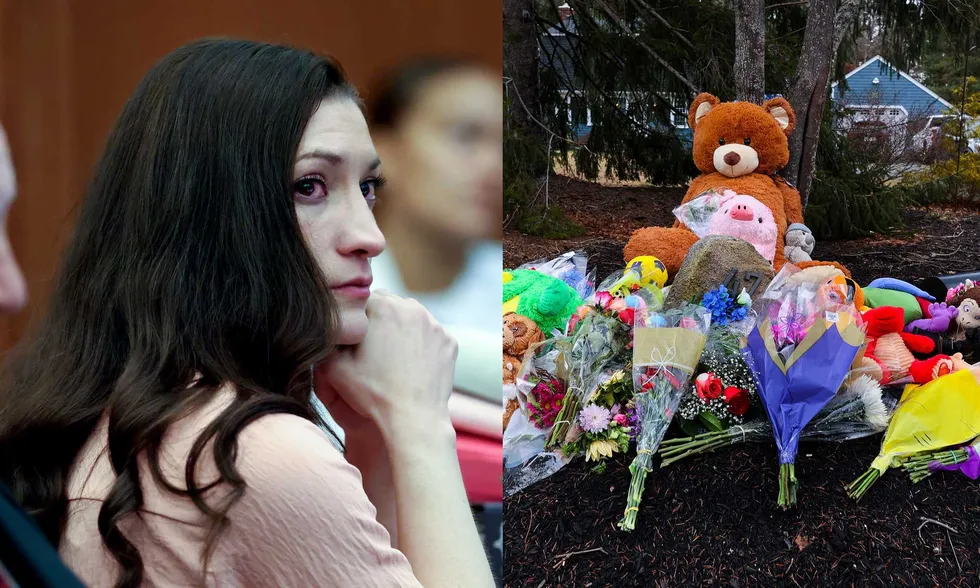
A conservative account described the gathering in stark terms: women in pink rallying for Clancy, who is accused of killing her children. The liberal account placed greater emphasis on the demonstrators’ broader argument—that the case reflects how women’s pleas for psychiatric help can be dismissed. Hundreds gathered outside the Plymouth, Massachusetts, courthouse, wearing messages including “Believe,” “She Needed Help” and “Peace For Lindsay.”
The two perspectives overlap on the basic facts but diverge in emphasis. Clancy’s lawyer does not dispute that she killed Callan, Dawson and Cora, but argues that postpartum psychosis, bipolar disorder and repeated efforts to obtain expert help left her not criminally responsible. Prosecutors, by contrast, say the former labor-and-delivery nurse planned the January 2023 killings and arranged for her husband to leave the house.
For supporters, the trial has become a referendum on maternal mental-health care. “Women are being dismissed, neglected and ignored when we speak up,” rally participant April Vincent said. “We’re scared because nobody takes us seriously.” Others framed their support less as a judgment on the verdict than as a demand for recognition. Retired nurse Jeanne Zaborski said she hoped Clancy would receive “the care she needs and deserves” and that other women would unite around postpartum health.
Defense testimony reinforced that interpretation. Hospital chaplain Sheila Cavanaugh said Clancy described hearing a voice warning that neither she nor her children would be safe unless she obeyed. Cavanaugh also said Clancy “loves them deeply” and “carries immense grief.” Prosecutors challenged why the alleged disclosure was absent from Cavanaugh’s medical notes, underscoring the trial’s central divide: compassion may explain conduct, but the jury must decide whether it legally excuses it.
Write a comment