Swedish School Sword Attack Exposes the Gap Between Facts and Framing
Swedish School Sword Attack Exposes the Gap Between Facts and Framing
A sword attack at a school in central Sweden has left one person dead and two seriously injured, but the early coverage has been marked as much by uncertainty as by the violence itself.
The conservative account presents the event narrowly: an attacker wielding a sword wounded several people at a Swedish school. That restrained framing reflects the limited facts initially available and avoids assigning a motive before investigators have established one.
The liberal publication takes a broader and more charged approach, placing the attack within what it calls Europe’s “knife stabbing epidemic” and emphasizing the weapon’s apparent identity as a sword rather than a machete. It also highlights conflicting early reports about the number of victims, ultimately settling on one death and two seriously injured people.
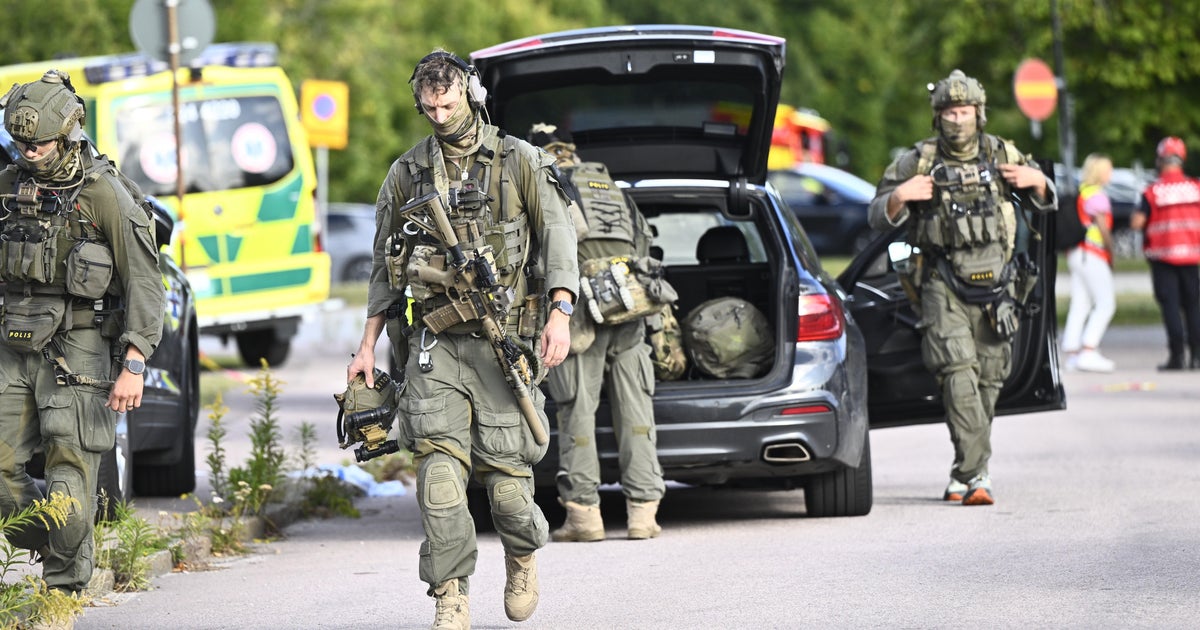
Both accounts converge on the central facts: the attack occurred at Brinell School in Fagersta, police arrested a suspect, and the motive was not known. The longer account adds that police fired at the suspect before his arrest, that nearby schools and public buildings were temporarily locked down, and that authorities later said there was no continuing danger to the public.
The contrast is most evident in interpretation. One account treats the incident as a developing local crime story; the other uses it to argue that Sweden is part of a wider European security problem. Yet the available evidence supports caution. Police described an episode of “ongoing deadly violence” and said they were investigating, while the prime minister acknowledged that officials “do not know what lies behind the act.” Until the motive and circumstances are established, the confirmed death and injuries are clearer than the political meaning being attached to them.
Write a comment