The U.S.-Canada Trade War Turns a Last-Minute Deal Into a High-Stakes Standoff
The U.S.-Canada Trade War Turns a Last-Minute Deal Into a High-Stakes Standoff
A last-minute effort to preserve North America’s closest trading relationship has instead produced a new tariff fight, with Washington and Ottawa blaming each other for the collapse and businesses facing higher costs.
The United States imposed 50% tariffs on roughly $20 billion of Canadian goods after negotiators failed to meet the latest deadline. A conservative account frames the move as retaliation for what President Donald Trump called unfair treatment of American alcohol, automotive and dairy exports, while noting that the deadline had already been extended to keep talks alive.
That interpretation is reinforced by U.S. Trade Representative Jamieson Greer, who said Canada “declined to finalize the trade deal under the terms agreed earlier this week.” A senior Trump administration official argued that the proposed terms would have given Canada the best tariff position of any major U.S. trading partner, but said Ottawa demanded further concessions on steel, aluminum, autos and lumber.
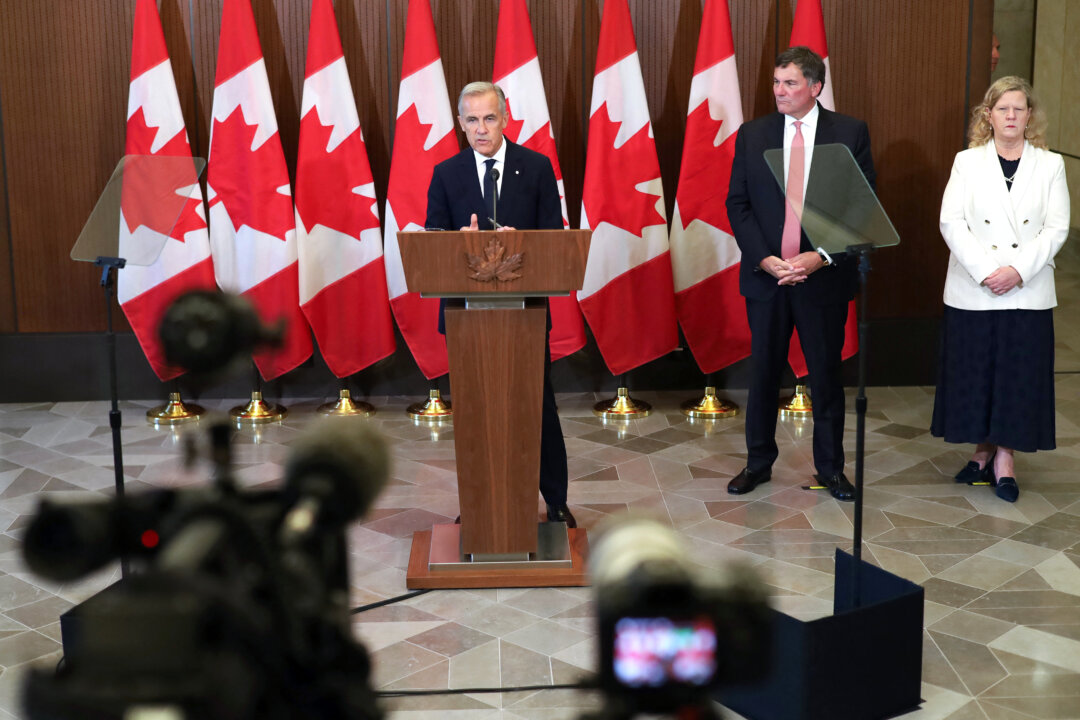
Canada’s account is sharply different. Prime Minister Mark Carney said Washington made “last-minute changes” that were “unfair, uneconomic” and undermined confidence in any agreement. He said Ottawa had been prepared to remove its remaining counter-tariffs on steel, aluminum and autos if the United States reduced its own duties—but ultimately concluded that U.S. negotiators “asked too much and offered too little.”
The immediate economic exposure is limited: the new duties cover just over 5% of Canada’s exports to the United States. The political and strategic consequences may be larger, threatening supply chains and complicating the future of the U.S.-Mexico-Canada trade pact. Canada plans dollar-for-dollar retaliation beginning Sept. 8, targeting sectors including steel, dairy, farm equipment and pulp and paper.
The conflict also sits uneasily beside continued security cooperation. Secretary of State Marco Rubio said he met Canada’s foreign minister to strengthen coordination on shared security and economic priorities—a reminder that the two governments are simultaneously partners and adversaries.
Write a comment