Texas Judge Keeps Karmelo Anthony’s Conviction Intact as Defense Challenges a Trial Shaped by Secrecy
Texas Judge Keeps Karmelo Anthony’s Conviction Intact as Defense Challenges a Trial Shaped by Secrecy
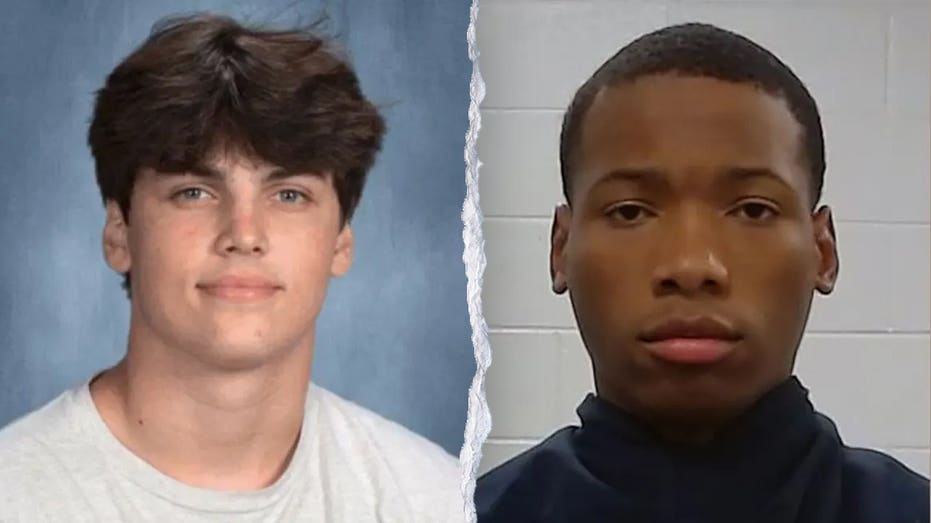
A Texas judge has rejected Karmelo Anthony’s request for a new trial, leaving his murder conviction and 35-year sentence intact while exposing a sharp dispute over how the original case was conducted.
Anthony’s defense argued that an unwritten agreement with prosecutors was broken at the last moment. The deal was intended to keep damaging allegations about both Anthony and Austin Metcalf away from the jury and limit the trial to the confrontation at a Frisco track meet. According to the defense, prosecutors later warned that the agreement might not protect Anthony if he testified, prompting him to abandon what lawyers said had been a central part of his self-defense strategy.
The defense also challenged private hearings, limits on courtroom access and jury instructions concerning self-defense. Russell Wilson said the ruling was disappointing but vowed to pursue the case in the Fifth Court of Appeals, arguing that the issues “deserve meaningful appellate review.” Former defense attorneys Mike Howard and Toby Shook gave testimony supporting the account of a last-minute breakdown, though Howard acknowledged that the lawyers had never expressly agreed on whether a testifying defendant was covered by the arrangement.
Prosecutor Bill Wirskye offered the opposing interpretation: there was no binding promise preventing Anthony from testifying, and the restrictions were designed to prevent character evidence from overwhelming the trial. He said testimony by Anthony or his mother could have opened the door to damaging allegations. The state portrayed the unusual procedures as safeguards amid threats, public pressure and misinformation, while the defense saw them as barriers to a fair and public proceeding.
Retired District Judge Michael Chitty denied the motion after reviewing the record, testimony and legal arguments, but his order did not explain the reasoning. Collin County District Attorney Greg Willis said, “The jury’s guilty verdict stands, and we remain confident in the process.” The ruling preserves the conviction for the fatal stabbing of 17-year-old Metcalf, but Anthony’s direct appeal—and the debate over secrecy, testimony and courtroom fairness—continues.
Write a comment