Moke Threatens Hawaii With Less Wind but Greater Flood Risk After Lala
Moke Threatens Hawaii With Less Wind but Greater Flood Risk After Lala
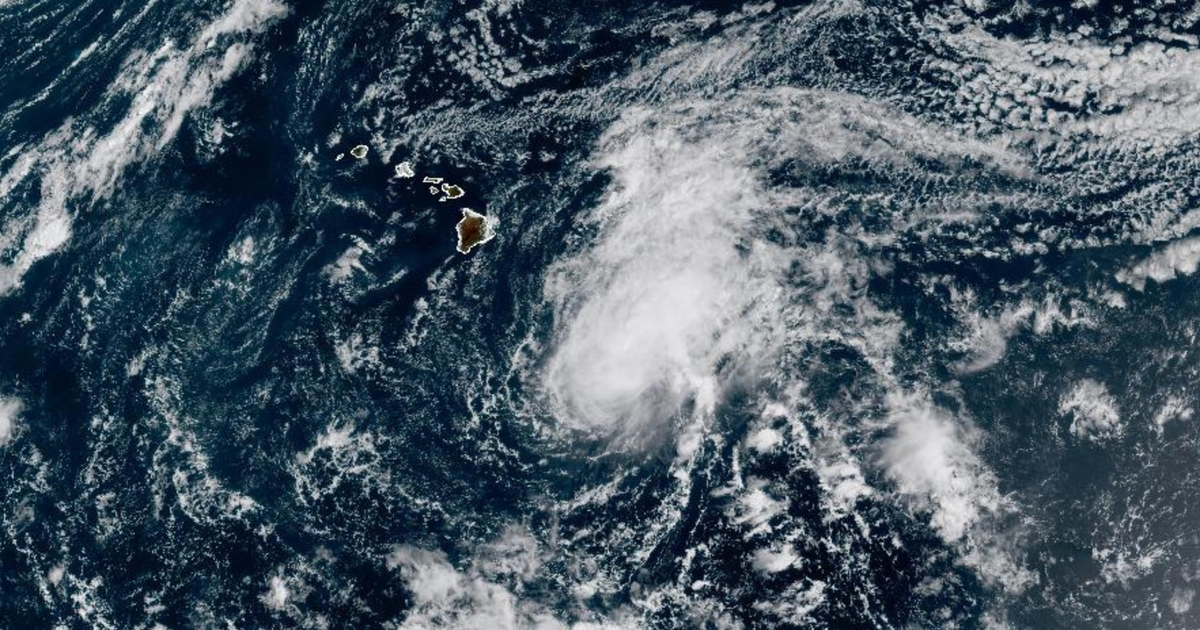
Tropical Storm Moke is bearing down on Hawaii just days after Hurricane Lala, turning a weaker storm into a potentially serious test for islands still clearing damage and coping with saturated ground.
The conservative framing emphasizes Moke’s immediate movement and strengthening winds, presenting the storm as an advancing threat. The more detailed forecast is less focused on wind intensity than on cumulative risk: Moke was carrying maximum sustained winds of 45 mph, tracking west at 14 mph, and expected to pass south of the Big Island before weakening. Forecasters nevertheless warned that the storm could bring 5 to 10 inches of rain to the Big Island, with isolated totals reaching 15 inches. Eastern Maui could receive 3 to 6 inches.
That contrast matters. Moke is not expected to replicate Lala’s direct punch, but rain falling on ground already overwhelmed by flooding and debris could trigger a new round of damage. The National Hurricane Center warned of “life-threatening flooding and mudslides” in windward and southeastern parts of the Big Island, particularly in steep terrain and areas recently affected by Lala.
Officials are framing the emergency as both recovery and preparation. Maui County Mayor Richard Bissen said “even light to moderate rain and wind could trigger flooding, debris, downed trees, roadway issues and power outages,” while urging residents to prepare. Gov. Josh Green said, “Our teams are working on two fronts: helping communities recover from Lala while preparing for Moke,” and requested federal assistance for both storms.
The political difference is therefore less about whether Moke poses danger than how that danger is defined: as a strengthening storm in one account, and as a compounding disaster—driven by rainfall, storm fatigue and vulnerable infrastructure—in the broader official and forecast picture.
Write a comment